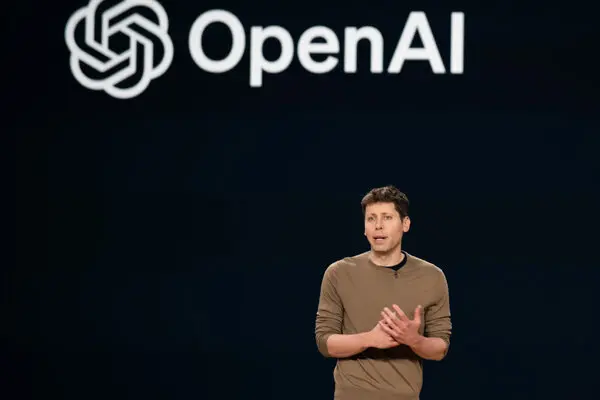
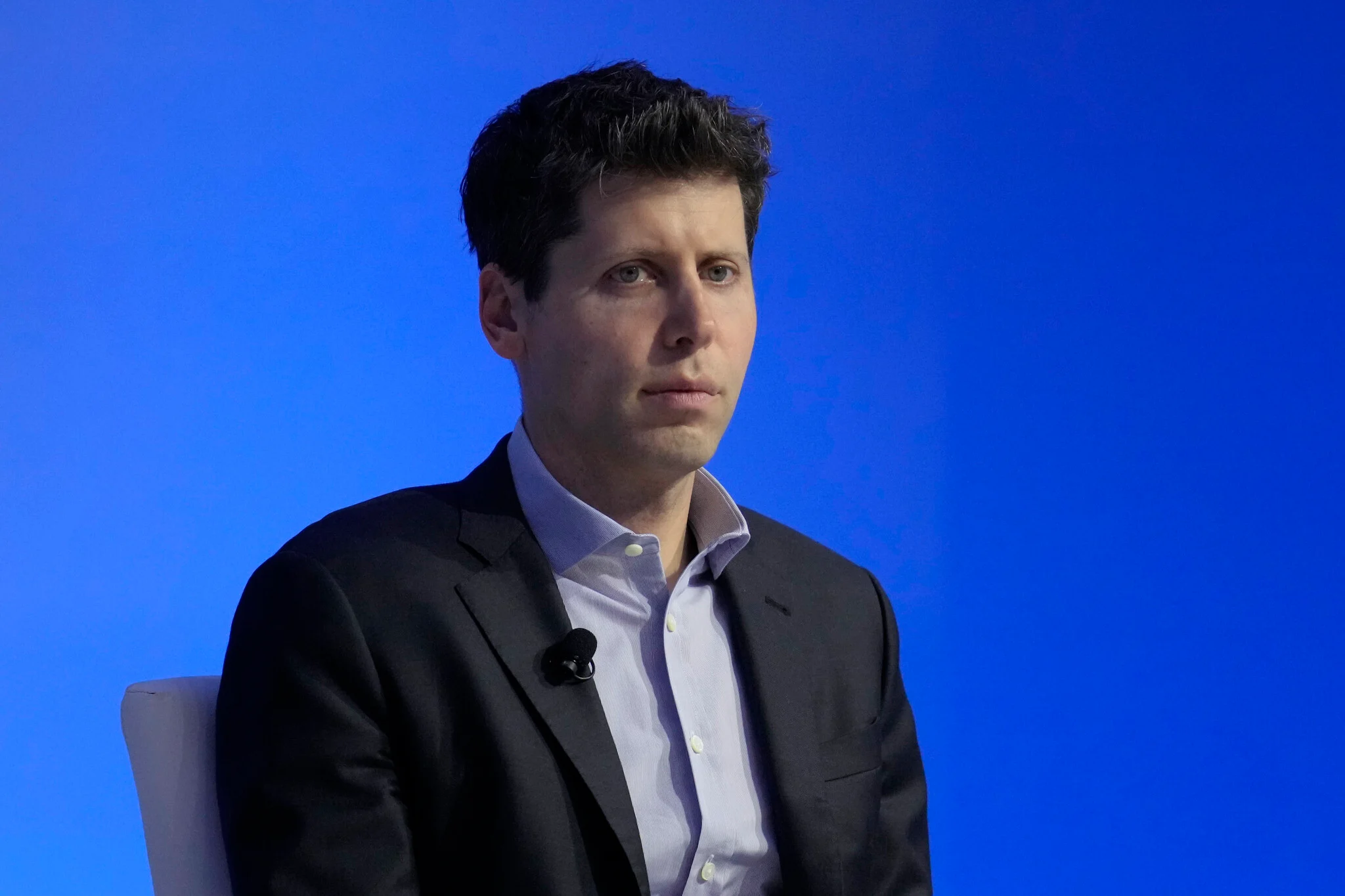
OpenAI CEO Sam Altman recently warned users on Theo Von’s podcast “This Past Weekend” that conversations with ChatGPT lack legal confidentiality protections, highlighting a significant privacy gap that many users may not realize.
Altman explained that “People talk about the most personal sh** in their lives to ChatGPT,” with many users, especially young people, treating the AI as “a therapist, a life coach” for relationship problems and personal issues. However, unlike conversations with actual therapists, lawyers, or doctors, there’s no legal privilege protection for ChatGPT conversations.
Altman described this privacy gap as a “huge issue,” noting that unlike conversations with therapists, lawyers, or doctors with legal privilege protections, conversations with ChatGPT currently have no such protections. This means OpenAI would be legally required to produce those conversations in the case of a lawsuit.
The timing of Altman’s warning is particularly relevant given ongoing legal battles. OpenAI is currently fighting a court order in its lawsuit with The New York Times that would require it to save the chats of hundreds of millions of ChatGPT users globally. The order compels the company to preserve all user chat logs indefinitely, including deleted ones, applying to ChatGPT Free, Plus, Pro, and Teams users—even those using “temporary chat” mode.
Altman called the situation “very screwed up” and believes “we should have the same concept of privacy for your conversations with AI that we do with a therapist”. He acknowledged this is a new challenge, noting “no one had to think about that even a year ago”.
The OpenAI CEO’s warning serves as a crucial reminder that while AI chatbots may feel like confidential companions, they currently lack the legal protections that traditional professional relationships enjoy, potentially putting users’ most personal information at legal risk.