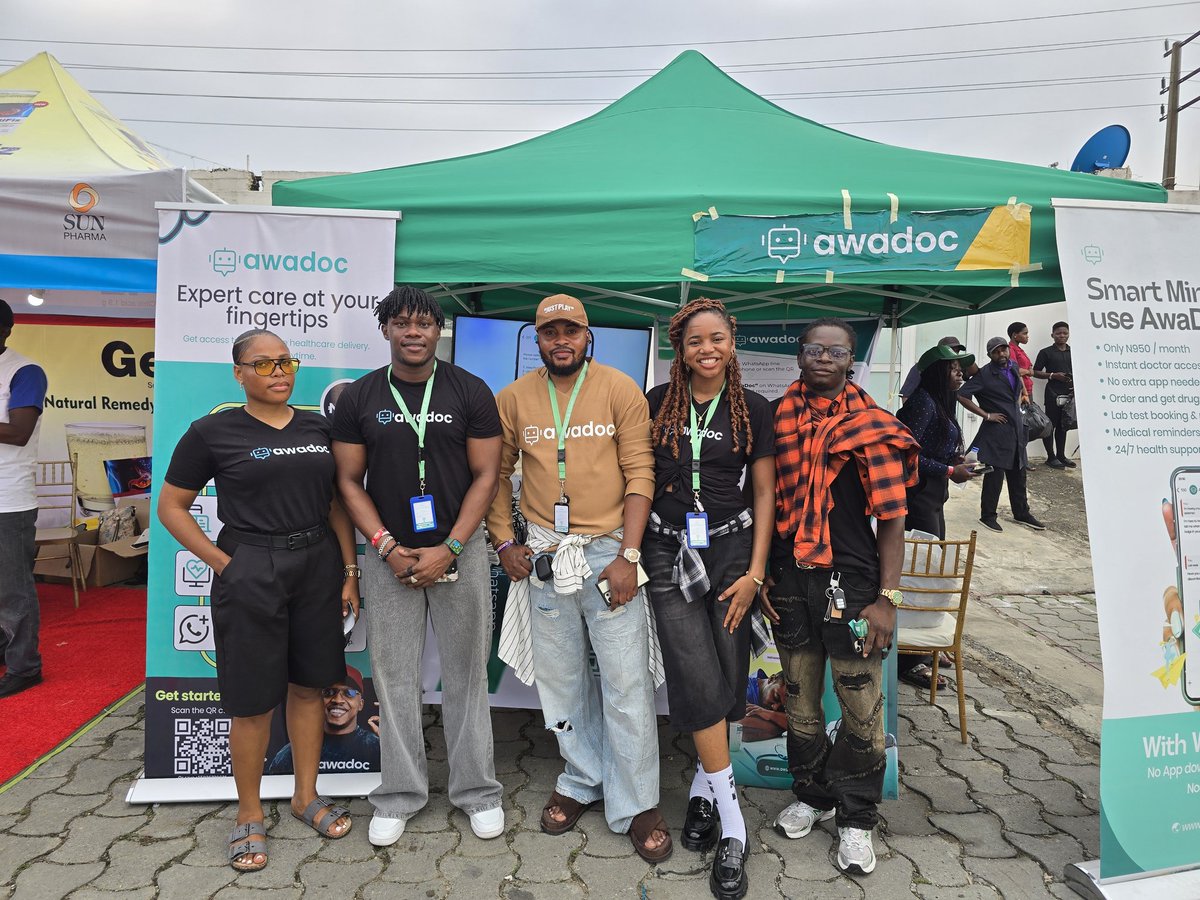

Google for Startups has announced the ninth cohort of its prestigious Africa Accelerator program, selecting 15 high-potential AI-first startups from a record 1,500+ applications across the continent. The 2025 class, revealed today at Google’s Nairobi hub, marks the strongest focus yet on artificial intelligence, with every selected company building AI-native solutions for healthcare, agriculture, logistics, financial inclusion, and climate resilience.
The cohort collectively employs more than 3,500 people and has already raised over $300 million in follow-on funding, underscoring investor confidence in African AI despite global funding headwinds.
“These founders are not just building startups; they’re building the digital infrastructure Africa needs to leapfrog into the AI era,” said Folarin Aiyegbusi, Head of Startup Ecosystem, Africa at Google. “From remote diagnostics in rural Nigeria to AI-powered crop trading in Rwanda, this cohort proves that the most impactful AI innovations are coming from founders who understand Africa’s unique constraints and opportunities.”
Standout Companies in the 2025 Cohort
Myltura (Nigeria) :–
An AI-powered remote healthcare platform that enables community health workers to diagnose and triage patients using smartphone-based imaging and predictive models. Already operating in six states, Myltura reduced misdiagnosis rates by 42% in pilot clinics.
AFRIKABAL (Rwanda) :–
Combines blockchain and AI to create transparent, real-time commodity trading for smallholder farmers. Its smart-contract marketplace has processed over $18 million in grain and coffee transactions since launch.
Apexloads (Kenya) :–
Uses computer vision and reinforcement learning to optimize last-mile logistics for informal transport networks. The platform claims to cut delivery times by up to 35% in Nairobi’s matatu and boda-boda ecosystems.
54GeneAI (Nigeria/South Africa) :–
Applies generative AI to African genomic datasets for faster drug discovery targeting diseases that disproportionately affect the continent, including sickle-cell anemia and certain cancers.
Koaile (Ghana) :–
An AI co-pilot for cocoa cooperatives that predicts yield, detects diseases via drone imagery, and automates fair-trade certification paperwork.
Other notable participants include Zuri Health (AI telemedicine for rural East Africa), Pivo AI (embedded finance for supply-chain SMEs), and HydroIQ (AI-driven virtual water utilities for off-grid communities).
A Shift Toward “AI-First” in African Venture
The 2025 cohort reflects a broader trend: African startups are increasingly building AI from day one rather than retrofitting it onto existing products. According to data from Briter Bridges, AI-native companies now account for 28% of all funded tech startups in Africa in 2025, up from just 9% in 2022.
The three-month virtual program will provide each startup with up to $350,000 in Google Cloud credits, dedicated AI mentorship from Google DeepMind and Research teams, and direct access to the company’s latest Gemini models. Founders will also join Google executives at the upcoming Africa AI Summit in Kigali for demo days with global investors.
Closing the Representation Gap:
For the first time, women founders lead 40% of the selected companies—double the African average. Google attributes the increase to targeted outreach with partners such as the African Women Innovation and Entrepreneurship Forum (AWIEF) and SheCodeAfrica.
The announcement comes one week after the African Union formally launched the implementation phase of its Continental Artificial Intelligence Strategy, which explicitly calls for greater private-sector collaboration to build locally relevant AI solutions.
As one selected founder put it: “We’re not waiting for the world to bring AI to Africa. We’re building it here, for here and now the world is starting to pay attention.”
The Google for Startups Accelerator: AI First Africa program officially kicks off on January 13, 2026.