
While the global AI conversation is still dominated by trillion-dollar chatbots and sci-fi promises, a quieter but more practical revolution is happening across Africa. In 2025 alone, founders from Tunis to Kigali shipped products that don’t just demo well; they’re already in clinics, classrooms, farms, and dev teams.
Here are the ten African AI launches that people can’t stop talking about this year. Thunders (Tunisia):
Built by the co-founders of Expensya (the expense-management unicorn acquired by Navan in 2023), Thunders is an AI-powered software testing platform that writes and maintains end-to-end tests in plain English. Early users in Tunis and Paris report cutting QA time by 70%. “We got tired of writing the same Selenium scripts over and over,” says co-founder Karim Jouini. “So we trained a model on ten years of our own test suites.”
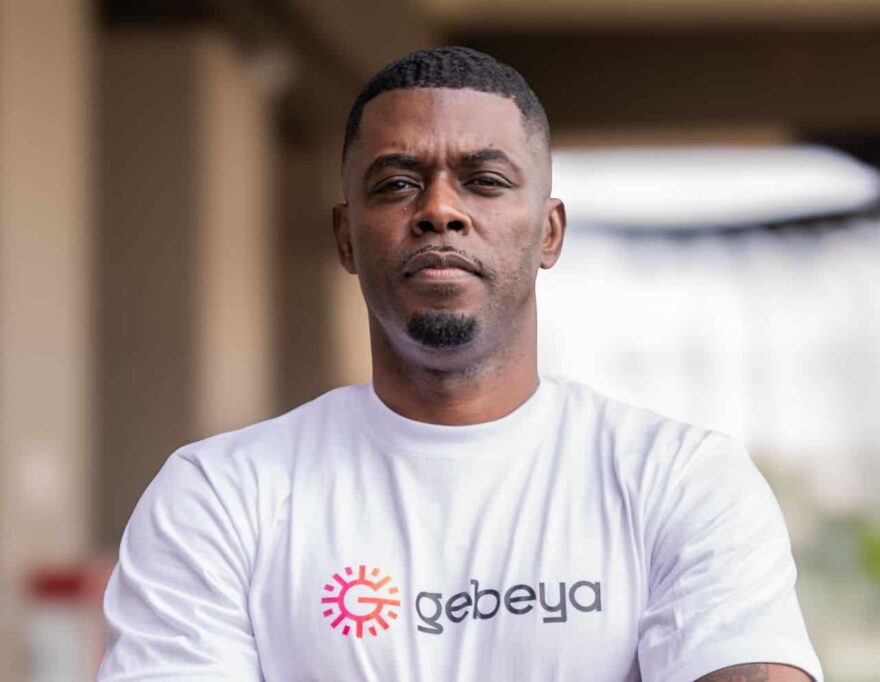
Gebeya Dala (Ethiopia):
From Gebeya’s Amadou Daffe and ex-Andela engineer Hiruy Amanuel comes an AI app builder designed for African languages, offline environments, and low-spec Android phones. Farmers’ cooperatives in Amhara are already using Dala-generated apps to track coffee harvests and payments.
Chidi (Rwanda):
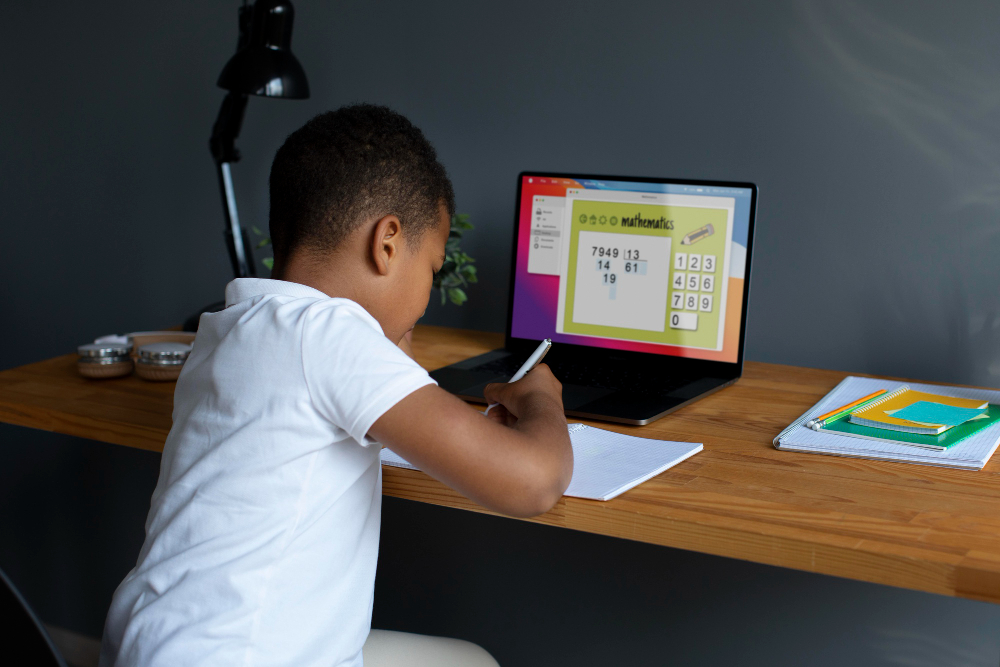
A partnership between the Rwandan government, ALX, and Anthropic gave birth to Chidi, an AI learning companion that speaks Kinyarwanda, Swahili, and English. Unlike passive flashcards, Chidi quizzes students conversationally and adapts in real time. Over 120,000 secondary-school students are active users just four months after launch.
SkinDeep AI (Ghana):
An unnamed Accra-based startup quietly released what might be the world’s first dermatology diagnostic tool trained primarily on dark skin tones. Built on mobile-phone cameras and running fully offline, it’s being piloted in rural clinics in Ashanti and Upper East regions.
ToumAI (Morocco):
ToumAI’s open-source: Arabic-Berber-French small language model is small enough (1.3B parameters) to run on a $200 laptop yet outperforms much larger models on Maghrebi dialects. It’s already powering customer-service bots for Moroccan banks and e-commerce platforms.
Darli Chatbot (Kenya):
Launched by former Twiga Foods engineers, Darli is a WhatsApp-based
regenerative-agriculture coach for smallholder farmers. It reads soil photos, recommends cover crops, and connects farmers directly to carbon-credit buyers. Over 8,000 Kenyan and Tanzanian farmers joined in the first 90 days.
Omeife AI (Nigeria):
Uniccon Group’s humanoid-robot assistant now has a full conversational layer that speaks Igbo, Yoruba, Hausa, and Pidgin fluently. Omeife is being deployed in Lagos hotel lobbies and Abuja airport lounges as Africa’s answer to customer-service staffing gaps.
Fintura (Nigeria):
An AI bookkeeper that reconciles bank statements, issues invoices, and files taxes for SMEs entirely in Pidgin if the owner prefers. Already processing $18 million in monthly transactions for 3,200 Lagos and Abuja businesses.
Cerebrium Serverless GPU (South Africa)
Cape Town’s Cerebrium made waves in October with the continent’s first serverless GPU platform tailored for African pricing and latency. Startups that once waited weeks for AWS credits can now spin up inference endpoints in Johannesburg for pennies.
Injini EdTech Cohort Winners (South Africa):
Three micro-startups from Injini’s 2025 cohort shipped AI tools in November: an AI that marks Grade 12 math exams in under 10 seconds, another that turns any textbook page into an interactive audio lesson in isiZulu or Afrikaans, and a third that predicts learner dropout risk with 94% accuracy using only attendance and SMS data.
“What ties all these launches together,” says TechCabal’s Tage Kene-Okafor, “is that none of them needed a $100 million round or a viral TikTok moment. They just solved a pain point someone was already paying to fix.”
With African AI startups raising $442 million in October alone, a 40% jump year-over-year 2025 is proving that the continent isn’t waiting for permission to build the next wave of practical artificial intelligence.
The demos are over. The deployments have begun.