
Bill Gates envisions AI-powered agricultural advisors turning smallholder farmers into drivers of economic growth
Doha, Qatar — In a compelling address at the Doha Forum 2025, Microsoft co-founder and philanthropist Bill Gates outlined an ambitious vision for artificial intelligence to revolutionize African agriculture, potentially transforming the continent from a food importer into a global agricultural powerhouse.
Speaking before an international audience on December 7, Gates argued that empowering farmers with new tools and better genetics could turn agriculture into a major engine of African economic growth. The philanthropist’s vision centers on making sophisticated agricultural guidance accessible to even the smallest landholders through mobile technology and AI-powered applications.
The Mobile-First Agricultural Revolution
At the heart of Gates’ proposal is a deceptively simple concept: any farmer with a mobile phone should have access to expert agricultural advice. The same model can support farmers with AI-generated guidance on soil quality, weather, seeds, and livestock, Gates explained, comparing AI’s transformative potential to electricity or advanced medicine.
The technology would provide personalized, context-specific recommendations based on local conditions, weather patterns, and crop types. Perhaps most significantly, Gates emphasized that these tools would be offered free of charge to users in the Global South, with cloud computing costs covered by wealthy nations and philanthropic organizations.
“The cloud cost is modest; rich countries and philanthropies should cover it so no one in the Global South pays,” Gates declared during the forum’s “Humanity’s Next Chapter” panel discussion.
A Demographic Opportunity
By mid-century, most children born on earth will be African, Gates noted, framing this demographic shift as either “the world’s greatest dividend – in creativity, sport, fashion, science – or its greatest burden.” The billionaire philanthropist sees agricultural innovation as critical to ensuring positive outcomes.
The timing appears opportune. Africa’s youthful population is already showing remarkable adaptability to new technologies, having largely leapfrogged traditional banking and telecommunications infrastructure in favor of mobile-based solutions. Gates believes a similar pattern could emerge in agriculture and healthcare.
Africa largely skipped traditional banking and traditional telecommunications, Gates observed in a related speech, suggesting the continent has an opportunity to build next-generation agricultural systems with AI embedded from the start.
Beyond Agriculture: A Holistic Vision
While agricultural transformation captured significant attention, Gates outlined a broader technological vision encompassing healthcare and education. He described AI-powered virtual doctors accessible via mobile phones that would remember patients’ complete medical histories and provide round-the-clock advice in multiple languages.
The Gates Foundation is developing AI models capable of understanding various African and Asian languages and dialects, enabling remote consultations with medical specialists. This approach aims to address the chronic shortage of healthcare professionals in rural and underserved areas.
Gates emphasized that building effective health systems in poor countries requires approximately $100 per person annually, which could prevent 95 percent of deaths from treatable or preventable diseases.
A $500 Million Commitment
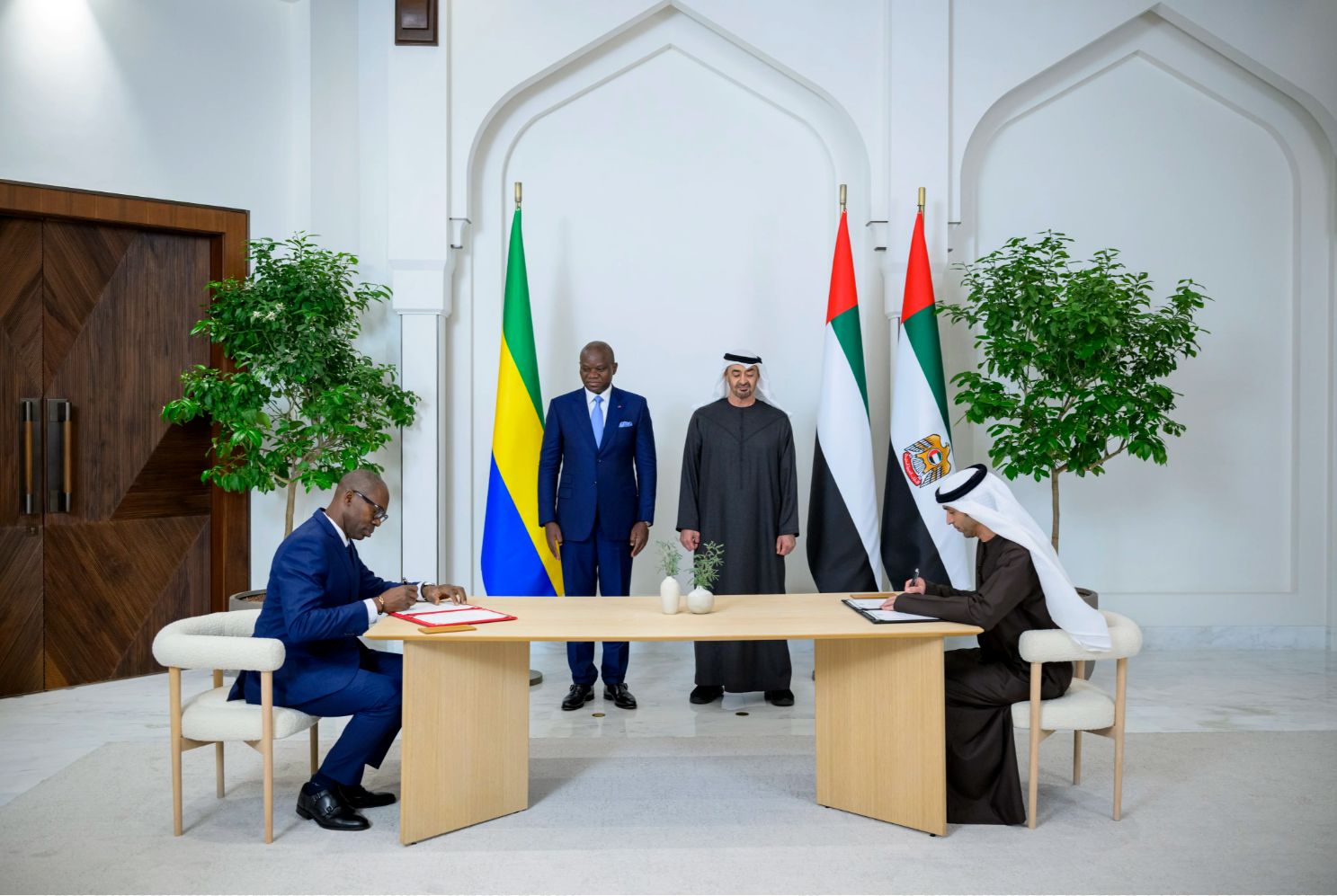
The vision received concrete backing through a newly announced partnership. The Gates Foundation and Qatar Fund for Development committed $500 million over five years to advance global health, climate-resilient agriculture, and education across Africa, South Asia, and Southeast Asia.
“Solving big global health and development challenges takes more than good intentions. It requires practical innovation and partners committed to making sure those breakthroughs reach the people who need them most,” Gates stated during the signing ceremony.
The partnership builds on existing collaborations, including Nanmo, an initiative launched in 2022 to support smallholder farmers in sub-Saharan Africa with climate-adaptive agricultural tools and technologies.
The Equity Challenge
Gates acknowledged that ensuring equitable access to AI represents the technology’s most important challenge. “Making sure that AI is available, particularly to young people in the Global South — I’d say that is one thing our foundation has taken on as a goal,” he said.
The philanthropist warned against repeating historical patterns where developing nations lagged decades behind in adopting new technologies. Instead, he argued that hope lies in ensuring that the poor benefit from the AI revolution from the outset.
Gates expressed particular optimism about Africa’s potential to lead AI innovation rather than merely adopt solutions developed elsewhere. He suggested that innovation in Africa could show the entire world how these innovators in the Global South are taking this new tool and taking advantage of it.
Navigating Headwinds
The vision comes at a complex moment for international development. Gates acknowledged that progress remains fragile, with over 100 million people living in conflict zones where delivering services proves extraordinarily difficult. He also noted concerning cuts to foreign aid programs in some countries, with abrupt reductions causing interruptions in medical trials and leaving medicines stranded in warehouses.
Nevertheless, Gates maintained his characteristic optimism, arguing that technological innovation provides unprecedented opportunities to overcome these challenges. The key, he emphasized, lies in ensuring that Africa’s young, creative population has the tools and support to shape AI applications suited to their specific needs and contexts.
Early Adoption Advantage
The people who jump in early — that is where a lot of creativity is going to come, Gates predicted. He sees Africa’s youthful demographic as a significant advantage, potentially generating a disproportionate share of innovative AI applications.
The philanthropist’s vision extends beyond merely providing technology to fostering genuine innovation ecosystems where African entrepreneurs and developers create locally relevant solutions. This approach contrasts with traditional aid models that often involved adapting Western solutions to developing world contexts.
A Collaborative Future
The forum featured complementary perspectives from other influential figures. Nigerian industrialist Aliko Dangote announced plans for a $700 million education fund supporting 155,000 students over ten years, while Sheikha Al Mayassa bint Hamad Al Thani of Qatar emphasized culture’s role as soft power that ultimately fuels economic transformation.
All panelists agreed that technology, particularly AI, must not deepen the North-South divide. Instead, they envision a future where African innovation, Gulf capital, and Western technology combine to create genuinely transformative change.
As the session concluded, a consensus emerged: when properly deployed with attention to equity and access, AI could help write “humanity’s next chapter” — with African farmers, entrepreneurs, and innovators playing leading roles rather than serving as passive recipients of technological change.
Whether this optimistic vision materializes remains to be seen. But with significant funding commitments, growing technological capability, and Africa’s youngest-ever population coming of age in a digital era, the conditions for transformation appear more favorable than ever before.