A homegrown AI assistant is helping journalists, PR professionals, and marketers across Africa work faster without sacrificing accuracy—and it’s just getting started.
In the bustling newsrooms of Lagos, where breaking news cycles move at lightning speed and the pressure to publish first often collides with the need for accuracy, a new tool is quietly reshaping how media professionals work. ChatJourno, an AI-powered transcription and research assistant, was born from a simple but urgent problem: how do you maintain credibility when speed is everything?
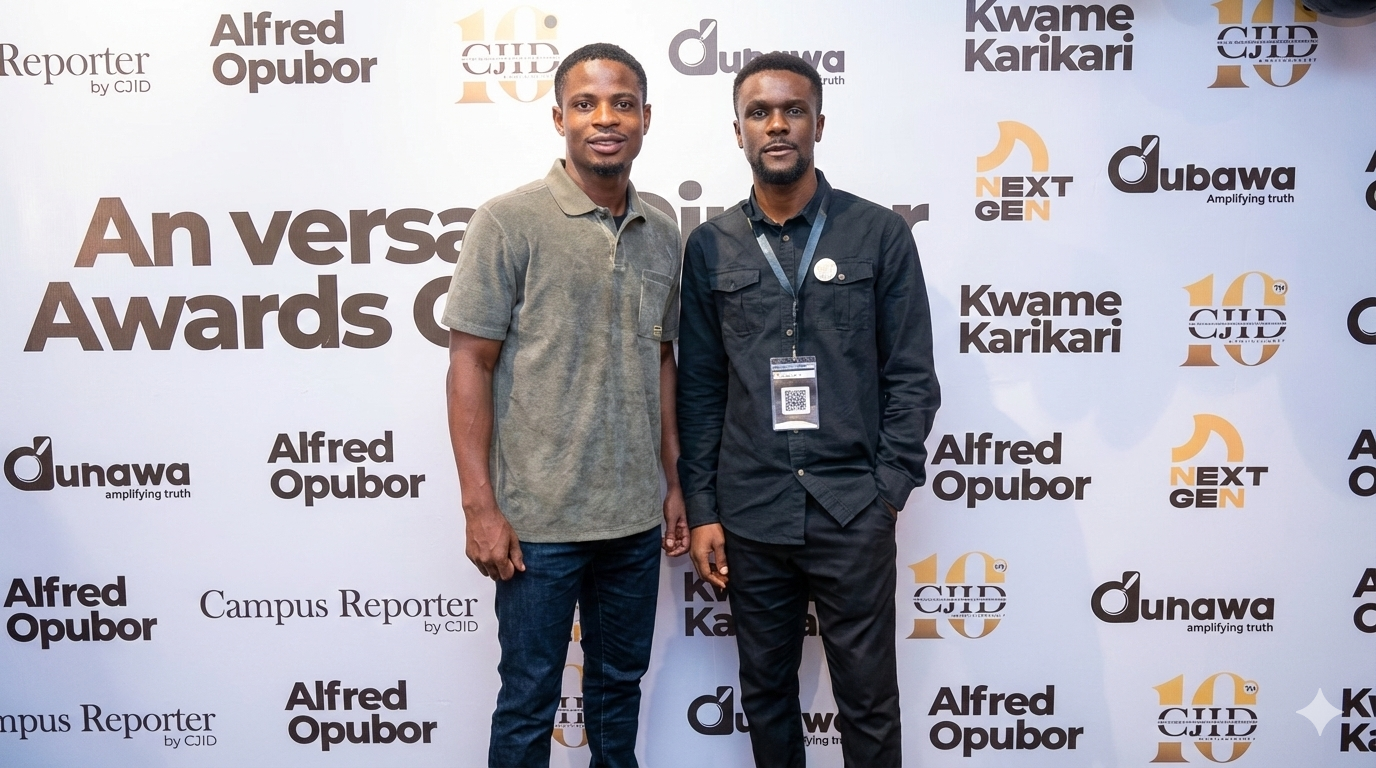
The startup emerged in 2024 from an AI fellowship organized by the Centre for Journalism, Innovation and Development (CJID), but its origins lie in the daily struggles of Nigerian newsrooms. For one of its founders, a reporter at a leading Nigerian media house, the challenge was personal—tracking stories and verifying information quickly enough to stay competitive, without compromising the accuracy that builds trust with readers.
“In fast-paced media environments, professionals need to recall decades of context, explain complex issues clearly, and conduct deep research without wasting time,” the company explains. “You want a tool that digs thoroughly, ensures you don’t miss critical details, and protects your credibility with clients and audiences.”
Solving Africa’s Information Gap
What sets ChatJourno apart in a crowded field of AI assistants isn’t just what it does—it’s where it does it. While global AI models have swept across industries worldwide, ChatJourno’s founders identified a critical gap: the lack of reliable, context-aware AI tools designed specifically for African media and communication professionals.
The platform is trained on African news data and built to understand local nuances, from regional conflicts to political contexts that global models often miss or misinterpret. It’s a recognition that accurate information work in Africa requires more than just sophisticated algorithms—it demands cultural fluency.
“ChatJourno is context-aware,” the company emphasizes. “We are working tirelessly to ensure you are never provided with wrong information about an incident, person, or place.”
The solution combines natural language processing, speech-to-text models, multilingual capabilities, and what the industry calls “agentic AI”—systems that can independently research and verify information. Users can transcribe audio, conduct deep research, and verify facts, all while the system provides backlinks to credible sources.
Early Traction in a Tough Market
For a company that only launched this year, ChatJourno’s numbers tell a story of genuine need. The platform has already attracted over 800 users who have generated more than 3,000 sessions, and usage continues to climb. The startup has secured a partnership with TheCable, one of Nigeria’s most respected newsrooms, and is in discussions with other major media platforms.
The team has kept the product free while they iterate and refine features based on user feedback. Media professionals have praised its transcription accuracy and research depth, particularly its ability to surface trustworthy sources quickly.
But building an AI startup in Nigeria comes with unique challenges. Co-founder and Technical Director Abasiodiong Udofia, described as one of Africa’s leading software developers in AI, leads a lean team that has had to do more with less. Limited access to high-quality datasets and infrastructure constraints remain ongoing hurdles.
“We have an incredible team who have consistently done more with less,” the company notes. They’re actively seeking partnerships and funding to scale effectively, having initially bootstrapped with support from CJID.
Ethics at the Core
In an era when AI-generated misinformation poses serious risks to democratic processes and public trust, ChatJourno has placed ethics at the center of its development process. The platform uses verified news datasets and incorporates human feedback loops from media professionals to ensure outputs align with journalistic standards.
“We have a framework in place that prevents the system from providing incorrect information or attempting to answer questions beyond its capabilities,” the team explains. Users maintain full control over uploaded documents and can permanently delete them at any time.
The startup recently collaborated with researchers from Nile University of Nigeria, who tested the solution and provided feedback that helped identify blind spots and drive improvements. It’s the kind of rigorous external validation that builds credibility in the AI space.
Ambitious Plans for Scale
ChatJourno’s vision extends far beyond Nigeria’s borders. The team aims to become what they call “the world’s leading information-intelligence assistant,” powering ethical storytelling and strategic communication globally. Over the next two to five years, they plan to expand across Africa and into Europe.
The product roadmap includes a collaborative solution and a unified platform that brings transcription, research, and content intelligence together for media, PR, and marketing professionals. Think of it as an all-in-one workspace designed specifically for information workers who need both speed and accuracy.
The startup is now seeking investment to refine the product, achieve product-market fit, and prepare for scaling. They plan to introduce an affordable subscription-based pricing model while maintaining accessibility for users across different economic contexts.
A Broader African AI Story
ChatJourno represents a emerging wave of African AI startups tackling problems that global tech giants either overlook or misunderstand. The founders believe several industries are ripe for AI disruption in Africa: media, PR and communications, marketing, agriculture, health, and education.
But they also push back against common misconceptions. “That global models understand the African context, and that AI must replace rather than enhance human work,” they say, highlighting two myths they’re working to dispel.
Their approach reflects a broader philosophy: AI should empower professionals, not replace them. It’s about giving journalists, marketers, and communicators the tools to work smarter while preserving the human judgment and ethical considerations that machines can’t replicate.
For young Nigerians considering building AI startups, the ChatJourno team keeps their advice simple: “Solve real problems ethically.” It’s early days for the company, they acknowledge, but the principle has guided them this far.
As global AI development accelerates, ChatJourno’s story raises an important question: Can African startups build locally-relevant AI solutions that eventually compete on the global stage? With over 800 users already trusting the platform for their most critical information work, ChatJourno is betting the answer is yes.
ChatJourno is available at chatjourno.com. Media professionals, brands, and organizations interested in partnerships can reach the team at support@chatjourno.com.