Butabika Hospital Harnesses Helpline Data to Train Chatbot for Local Language Therapy
KAMPALA, UGANDA — When patients call Butabika National Referral Hospital’s mental health helpline seeking assistance, they may not realize they’re contributing to a groundbreaking project that could transform mental healthcare across Africa. Every conversation is helping to train an artificial intelligence algorithm designed to provide therapy in local African languages, addressing one of the continent’s most pressing healthcare crises.
The initiative, launched in August 2025 through a collaboration between Butabika Hospital, Makerere University’s Department of ICT, and Tanzania’s Mirembe Mental Health Hospital, represents a pioneering attempt to use AI technology to bridge the enormous treatment gap that leaves millions of Africans without access to mental healthcare.
The Mental Health Crisis in Uganda
The numbers tell a stark story. According to the World Health Organization, approximately 85% of people in developing countries receive no treatment for mental health issues. In Uganda specifically, the Health Ministry reported that one in three Ugandans has a mental illness, yet the country has only 18 psychiatrists for a population of over 45 million people, with all but one concentrated in the capital city.
Uganda ranks among the top six countries in Africa in terms of rates of depressive disorders at 4.6%, while 2.9% live with anxiety disorders — figures that likely underestimate the true burden due to widespread underreporting. Mental health disorders account for 16% of Uganda’s years lived with disability, making them a significant contributor to the country’s disease burden.
The infrastructure is woefully inadequate. Eighty-seven percent of Uganda’s population lives in rural areas, yet there are only 28 in-patient psychiatric units throughout the country, with over 60 percent near the capital, Kampala. For many Ugandans, particularly those in remote regions, accessing professional mental healthcare is simply impossible.
Cultural and Financial Barriers
Beyond infrastructure limitations, deep-rooted cultural stigma compounds the problem. Traditionally in Uganda, mental health disorders were widely believed to be caused by external spiritual forces including satanic powers, curses, and bewitchment. The term “omulalu” — literally translating as “mad,” “crazy,” or “insane” — is commonly used to refer to someone with mental health challenges, reinforcing the shame that prevents many from seeking help.
“Mental illness is often misunderstood and associated with witchcraft or spiritual possession, leading to discrimination and reluctance to seek medical treatment,” explains mental health advocate Kamara Nathan. The stigma is particularly acute for women, who experience higher rates of depression and anxiety but face additional cultural barriers to accessing care.
Financial constraints present another formidable obstacle. At StrongMinds, depression rates as high as 20% are found among people screened, yet most cannot afford treatment. With widespread poverty and lack of insurance coverage for psychiatric services, many Ugandans are left with no choice but to live with untreated disorders or seek help from traditional or religious leaders.
Enter the AI Solution
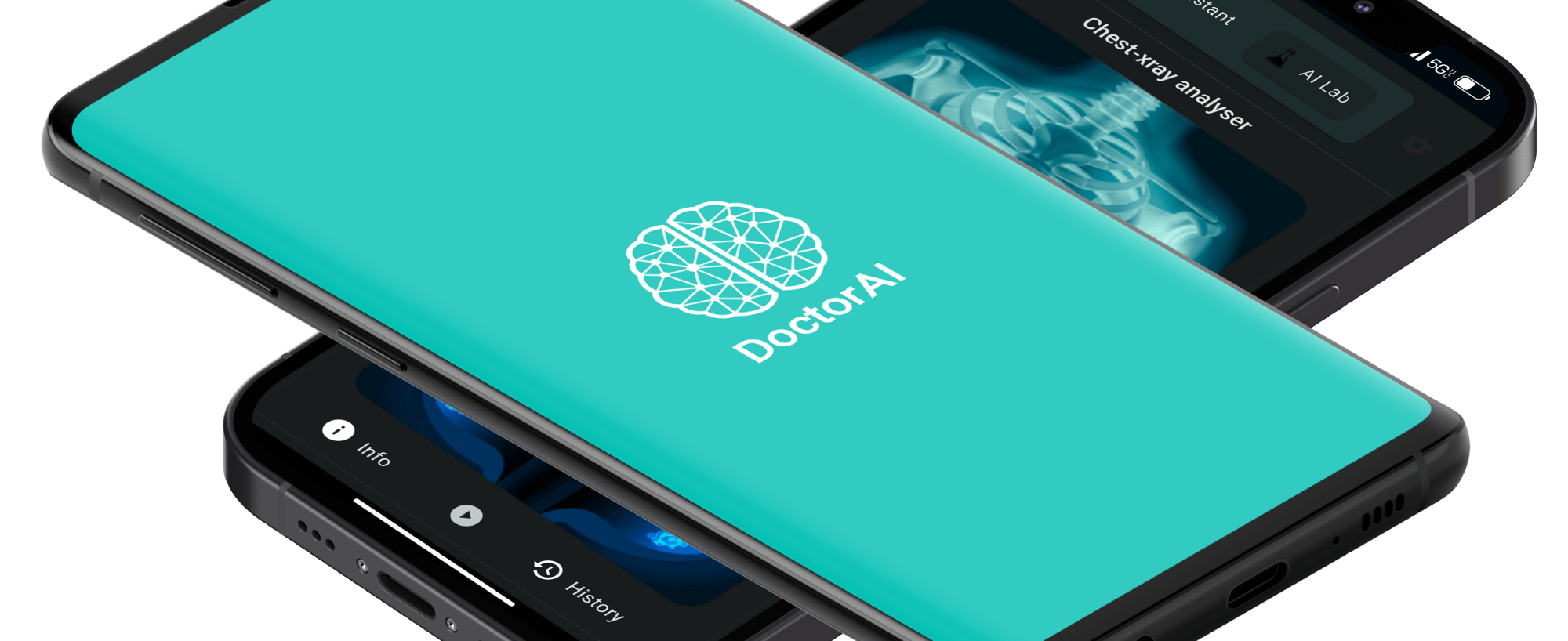
The AI mental health chatbot project aims to address these intersecting challenges through technology. By analyzing thousands of calls to Butabika Hospital’s helpline, researchers are training an algorithm to understand the nuances of mental health conversations in local languages and provide appropriate therapeutic responses.
According to Uganda’s Ministry of Health, the innovative project aims to leverage artificial intelligence to enhance mental health call center services at Butabika hospital, with the goal of increasing access to care and reducing the burden on healthcare facilities.
The project builds on existing digital mental health initiatives in the region. Uganda already has operational chatbots like “Buddy,” developed by UNICEF for the Sauti 116 child helpline. The chatbot has been designed to ensure zero cost to children facing mental health challenges, providing 24/7 access to support that would otherwise be unavailable.
“Our peers are going to embrace this chatbot because they love technology and it is even confidential,” says Shalom Nakakaawa, an 18-year-old mental health champion at a Ugandan school. “The chatbot is confidential, it is fast, and the language is friendly and welcoming.”
Why AI Chatbots for Mental Health?
The appeal of AI-powered mental health support in resource-constrained settings like Uganda is multifaceted. These systems offer several key advantages:
Accessibility: Unlike human therapists with limited hours and long waitlists, AI chatbots are available 24/7. For someone experiencing a crisis at 3 a.m. in a rural village, this could be life-saving.
Anonymity: Many people feel less judged when interacting with AI rather than human counselors. The confidential nature of chatbot interactions can help overcome the stigma that prevents people from seeking help.
Affordability: AI-powered therapy costs a fraction of traditional face-to-face sessions. In contexts where most people cannot afford professional care, free or low-cost digital alternatives can dramatically expand access.
Scalability: Training one algorithm to provide evidence-based therapy can help thousands of people simultaneously, addressing the severe shortage of mental health professionals.
Language Accessibility: By training on local language data, these chatbots can provide culturally appropriate support in languages that patients actually speak, rather than requiring proficiency in English.
Evidence and Effectiveness
Global evidence suggests AI mental health chatbots can be effective for mild to moderate mental health conditions. Meta-analyses of more than 29,000 participants show small-to-moderate improvements in depressive, anxiety, and stress symptoms when users engage with AI chatbots. Programs that integrate evidence-based Cognitive Behavioral Therapy (CBT) techniques have demonstrated measurable symptom reduction.
However, experts urge caution. Recent reports reveal that some general-purpose AI chatbots struggle to handle crisis situations appropriately, and regulatory concerns are mounting. These tools are not designed to replace licensed therapists but rather to provide supplementary support, particularly in contexts where professional care is unavailable.
The Butabika Model: Training on Real Conversations
What makes the Butabika initiative particularly innovative is its approach to training the AI. Rather than relying on generic Western datasets, the algorithm is learning from actual conversations between Ugandan patients and mental health counselors. This grounds the AI in the local context, helping it understand cultural nuances, regional expressions of distress, and appropriate therapeutic responses within the Ugandan cultural framework.
Trained counselors, including staff from Butabika National Referral Hospital, provide confidential psychological first aid and referrals through the existing helpline. These real-world interactions form the training data that will enable the chatbot to eventually handle similar conversations independently.
The approach recognizes that mental health is not culturally neutral. Expressions of psychological distress, help-seeking behaviors, and effective therapeutic interventions vary significantly across cultures. An AI trained on conversations from London or New York might miss crucial cultural contexts when deployed in Kampala or Dar es Salaam.
Regional Expansion Potential
The project’s regional scope is significant. With partners in Tanzania already involved, the initiative is designed to scale across East Africa and potentially beyond. Many African countries face similar mental health challenges: severe treatment gaps, shortage of professionals, cultural stigma, and inadequate infrastructure.
A successful model in Uganda could be adapted for use in Kenya, Tanzania, Rwanda, and other nations in the region. The involvement of multiple institutions — from government hospitals to universities — creates a collaborative framework that could facilitate this expansion.
Existing Digital Mental Health Landscape
Uganda already has several operational digital mental health services that provide context for the AI initiative:
Mental Health Uganda Helpline: Operating toll-free at 0800 212121, this service expanded in mid-2024 to provide round-the-clock support Monday through Friday. It offers an automated interactive voice-response system in multiple Ugandan languages, though weekend services remain limited.
UNICEF’s Buddy Chatbot: Focused on children and adolescents, this chatbot provides psychosocial support through the Sauti 116 helpline. The MHPSS Chatbot Project is a regional project supported by UNICEF Uganda, Kenya, and Tanzania, demonstrating existing regional cooperation on digital mental health tools.
Private Platforms: Services like Serene Mind offer online therapy, though these remain limited in scale and generally serve only those who can afford private care.
Challenges and Concerns
Despite the promise, significant challenges remain. The helpline itself faces operational limitations — calls made after hours often go to voicemail, with follow-up delayed until the next working day. For someone in crisis, those hours can feel endless.
Data collection and quality assurance present technical challenges. Ensuring the AI provides appropriate, safe, and culturally sensitive responses requires rigorous testing and ongoing monitoring. The algorithm must be able to identify crisis situations requiring human intervention and make appropriate referrals.
Privacy concerns are paramount. Mental health data is deeply personal, and ensuring confidentiality in digital systems is crucial, particularly in contexts where stigma is high.
There’s also the risk of over-reliance on technological solutions. While AI chatbots can expand access, they cannot replace the need for investment in human mental health professionals, improved infrastructure, and comprehensive mental health policies. Technology should complement, not substitute for, systemic healthcare strengthening.
The Broader Context: Mental Health Policy in Uganda
Uganda has made some policy progress on mental health. A draft mental health policy was developed in 2000, and services have been increasingly integrated into primary healthcare. The country has undertaken decentralization of mental health services and training of staff to provide care at lower levels of the health system.
However, implementation remains inadequate due to lack of political commitment and funding. Mental health receives a tiny fraction of the health budget, and data collection systems often don’t include mental health metrics, contributing to underappreciation of the disease burden.
Learning from Global Examples
Uganda’s initiative joins a global movement of AI-powered mental health tools. Woebot, developed by clinical psychologists in the United States, is one of the most widely recognized chatbots, using daily conversations to deliver emotional support and challenge negative thinking. Wysa, another popular platform, uses evidence-based CBT and mindfulness techniques.
However, most existing AI mental health tools were developed in high-income Western countries and may not translate well to African contexts without significant adaptation. The Butabika project’s approach of training on local data represents a more contextually appropriate strategy.
Recognizing that mental health treatment gaps in Africa exceed global averages, initiatives like the South Africa-based Vimbo app have also emerged to offer self-guided digital therapies for depression and anxiety specifically designed for African users.
What Success Would Look Like
If successful, the Butabika AI chatbot could:
- Provide immediate support to thousands of Ugandans who currently have no access to mental healthcare
- Reduce the burden on the limited number of human mental health professionals, allowing them to focus on complex cases
- Help normalize mental health treatment by providing confidential, stigma-free access to care
- Generate valuable data on mental health needs and treatment effectiveness in the region
- Serve as a model for other African countries seeking to expand mental healthcare access
The Road Ahead
The project is still in its early stages. Training a sophisticated AI algorithm requires substantial data, rigorous testing, and careful validation. Researchers must ensure the system can handle the complexity and sensitivity of mental health conversations while maintaining safety and ethical standards.
Integration with existing healthcare systems will be crucial. The chatbot should complement rather than compete with human services, with clear pathways for escalating cases that require professional intervention.
Public education will also be essential. Many Ugandans remain unfamiliar with digital mental health services. Building trust in AI-powered therapy will require demonstrating its effectiveness while being transparent about its limitations.
A Cautious Hope
As Uganda grapples with a mental health crisis that leaves millions without care, the AI chatbot project offers cautious hope. Technology alone won’t solve deep-rooted challenges of stigma, poverty, and healthcare infrastructure. But thoughtfully designed digital tools, grounded in local contexts and integrated with broader health systems, can expand access to life-saving support.
“This is a wake-up call for Uganda,” said Dr. Jane Aceng, Minister of Health. “We must move mental health higher up the national agenda. Every Ugandan deserves access to quality mental health care — not just in Kampala, but everywhere.”
As the Butabika team continues training their algorithm on helpline conversations, they’re not just building a chatbot. They’re pioneering a model that could reshape mental healthcare delivery across Africa, bringing hope to millions who have long suffered in silence.
Note: The AI mental health chatbot project is still in development. Anyone experiencing a mental health crisis should contact emergency services or local helplines such as Mental Health Uganda at 0800 212121 or Butabika Hospital at 0800 211 306.