Deadline approaches for innovative proposals to transform smallholder agriculture through artificial intelligence
Nairobi/London — February 9, 2026
The United Kingdom’s Foreign, Commonwealth & Development Office (FCDO) is calling on researchers, tech innovators, and agricultural experts to submit proposals exploring how artificial intelligence can help Kenya’s smallholder farmers adapt to increasingly unpredictable climate conditions.
With a February 27 deadline, the initiative represents a significant push to harness cutting-edge technology in addressing one of East Africa’s most pressing challenges: ensuring food security amid climate volatility.
The Challenge
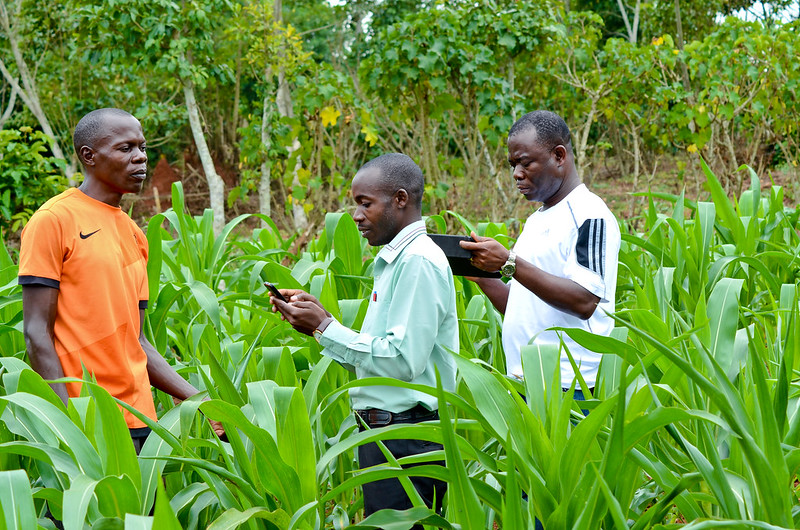
Kenya’s agricultural sector, which employs more than 40% of the population and contributes roughly a third of the country’s GDP, faces mounting pressure from climate change. Erratic rainfall patterns, prolonged droughts, and unexpected flooding have left smallholder farmers—who produce the majority of Kenya’s food—struggling to maintain productivity and livelihoods.
“Climate change is no longer a future threat for Kenyan farmers; it’s a daily reality,” said agricultural experts familiar with the region’s challenges. “Traditional farming calendars no longer work when the rains come three weeks late or floods wash away entire harvests.”
AI as a Game-Changer
The FCDO initiative seeks to identify how artificial intelligence technologies can provide practical, scalable solutions to help farmers make better decisions in this new climate reality. Potential applications could include:
- Predictive analytics for more accurate weather forecasting and planting schedules
- Crop monitoring systems using satellite imagery and machine learning to detect pest infestations or water stress
- Smart irrigation solutions that optimize water use based on real-time soil moisture data
- Market intelligence platforms connecting farmers to buyers and providing price predictions
- Climate-adapted seed recommendations tailored to local microclimates
Bridging the Technology Gap
The challenge lies not just in developing sophisticated AI tools, but in making them accessible to farmers who may have limited literacy, inconsistent internet connectivity, and basic mobile phones rather than smartphones.
Successful proposals will need to demonstrate how their solutions can work within Kenya’s existing infrastructure constraints while delivering tangible benefits to farmers with small plots of land and limited resources.
“The technology needs to meet farmers where they are,” explained development experts. “A solution that requires high-speed internet and expensive devices won’t help a farmer cultivating two acres in rural Kenya.”
What Happens Next
Selected studies will receive funding to investigate the feasibility, effectiveness, and scalability of AI interventions in Kenyan agriculture. The research is expected to produce evidence-based recommendations that could inform broader climate adaptation strategies across East Africa and other vulnerable regions.
The FCDO’s investment reflects growing recognition that addressing climate change in agriculture requires more than traditional extension services and infrastructure improvements. As weather patterns become less predictable, data-driven decision-making tools may prove essential for farming communities on the frontlines of climate change.
Interested applicants have until February 27 to submit their proposals, with implementation expected to begin in the coming months.
A Broader Vision
This call for proposals fits within the UK’s broader development agenda focused on climate resilience and food security in Africa. It also aligns with Kenya’s own Vision 2030 development blueprint, which emphasizes modernizing agriculture and building climate resilience.
If successful, the AI solutions developed through this initiative could serve as models for other countries facing similar climate challenges, potentially benefiting millions of smallholder farmers across the developing world.
For smallholder farmers in Kenya’s agricultural heartlands, the promise is simple but profound: better information leading to better decisions, and ultimately, more resilient livelihoods in an uncertain climate future.
For more information about the FCDO call for submissions, interested parties should click here.