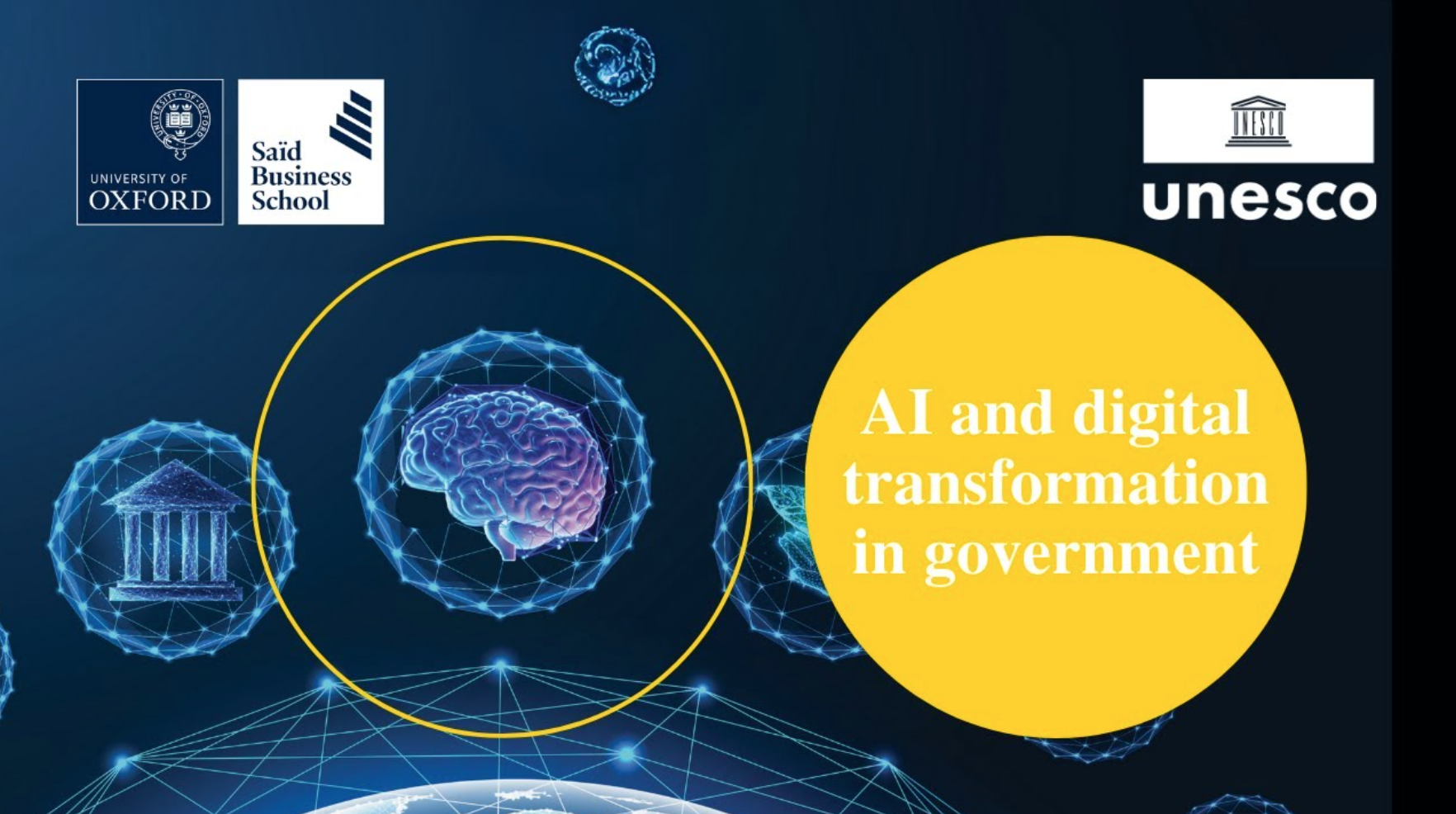
In a significant step toward bridging the digital divide in the Arab world, UNESCO, in collaboration with the University of Oxford’s Saïd Business School and the Mohammed Bin Rashid School of Government (MBRSG), has launched the Arabic version of its free Massive Open Online Course (MOOC) on “AI and Digital Transformation in Government.” The initiative, unveiled on February 4 during the World Governments Summit (WGS) in Dubai, aims to equip civil servants, policymakers, and public-sector leaders with essential skills to navigate AI responsibly and drive inclusive digital transformation.
The launch aligns with the WGS’s theme of shaping future governments, emphasizing ethical AI deployment and human-centered digital strategies. Open for registration since February 4, the course targets professionals across the Arab States, where rapid technological advancements are outpacing workforce readiness. By localizing the content into Arabic, the partners ensure accessibility for millions, fostering skills in AI ethics, data governance, and innovative public service delivery. This builds on the English and Spanish versions released in November 2025, which have already attracted registrants from over 190 countries, with plans for French and Portuguese editions forthcoming.
MBRSG, a key member of UNESCO’s SPARK-AI Alliance, played a pivotal role in the localization effort. During the Arab Public Administration Forum at WGS 2026, MBRSG announced a complementary executive program in Arabic, delivered through online video sessions, to further support Arab governments in harnessing AI for efficient, transparent administration. “This partnership empowers public officials to lead AI initiatives grounded in ethics and inclusion,” noted a UNESCO representative at the summit.
The MOOC’s curriculum, spanning about 12 hours, covers critical topics such as AI’s opportunities and challenges in governance, ethical frameworks, and practical tools for digital transformation. It draws from global best practices while addressing regional contexts, including in North African countries like Egypt, Morocco, and Tunisia, where AI adoption is accelerating in sectors like healthcare and agriculture. For instance, Egypt’s Tactful AI recently raised $1 million to scale AI for customer experiences, highlighting the region’s growing tech ecosystem.
This initiative comes amid broader calls for AI capacity building in Africa and the Arab world. At the WGS, discussions underscored the need for collaborative innovation, with sessions on AI’s role in redefining government creativity and international cooperation. Apolitical, a global platform for public servants, also launched an AI Readiness Check in Arabic during the summit, hosted on the WGS website, to assess and enhance governmental preparedness.
Experts highlight that while the Arab States boast high mobile penetration and youthful demographics, challenges like skills gaps and regulatory frameworks persist. UNESCO’s effort addresses these by promoting inclusive AI education, potentially unlocking economic gains projected at trillions for the region by 2035. As North African nations integrate into continental AI agendas—such as those discussed at the upcoming AU Summit—the MOOC could serve as a model for pan-African digital empowerment.
With registration now live, this launch marks a milestone in democratizing AI knowledge, ensuring Arab States are not just consumers but leaders in the global digital era. As one summit attendee put it, “AI is the priority of the coming era,” and initiatives like this are paving the way for equitable progress.