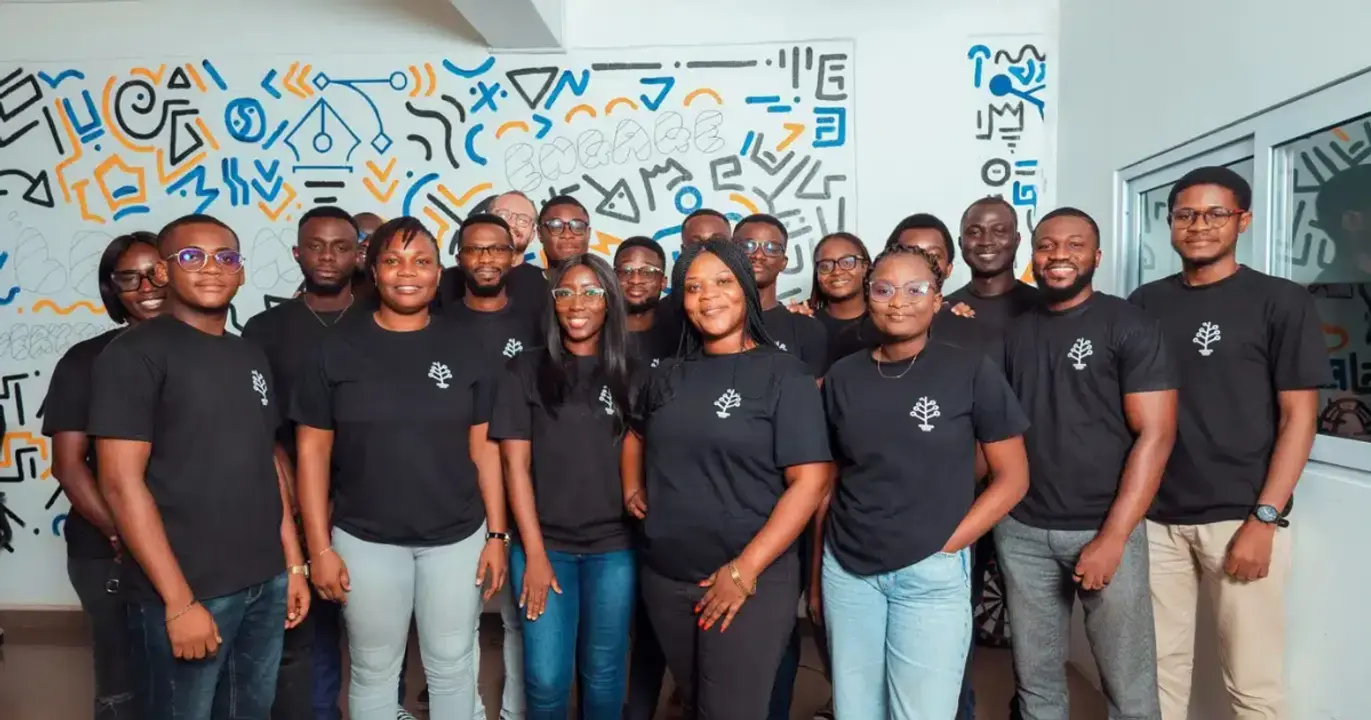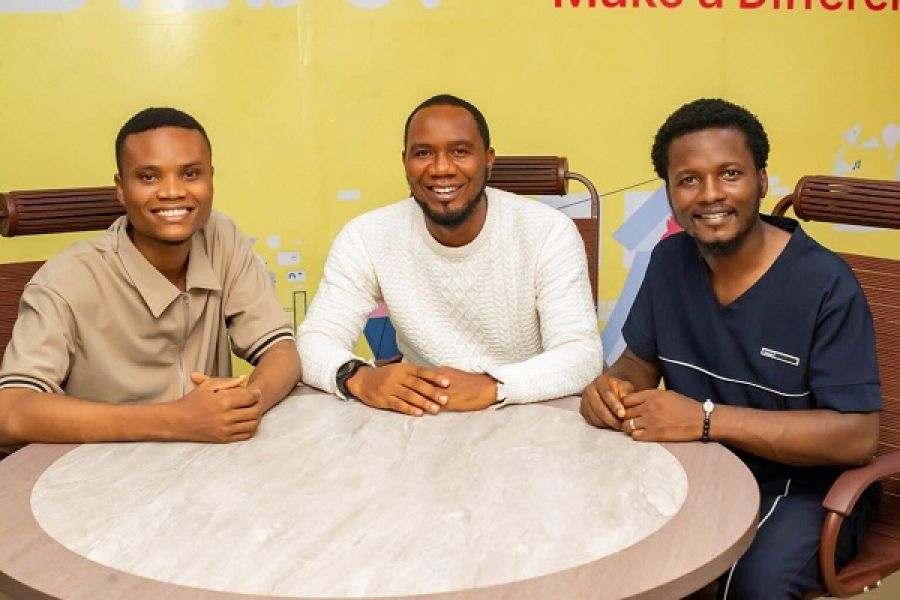
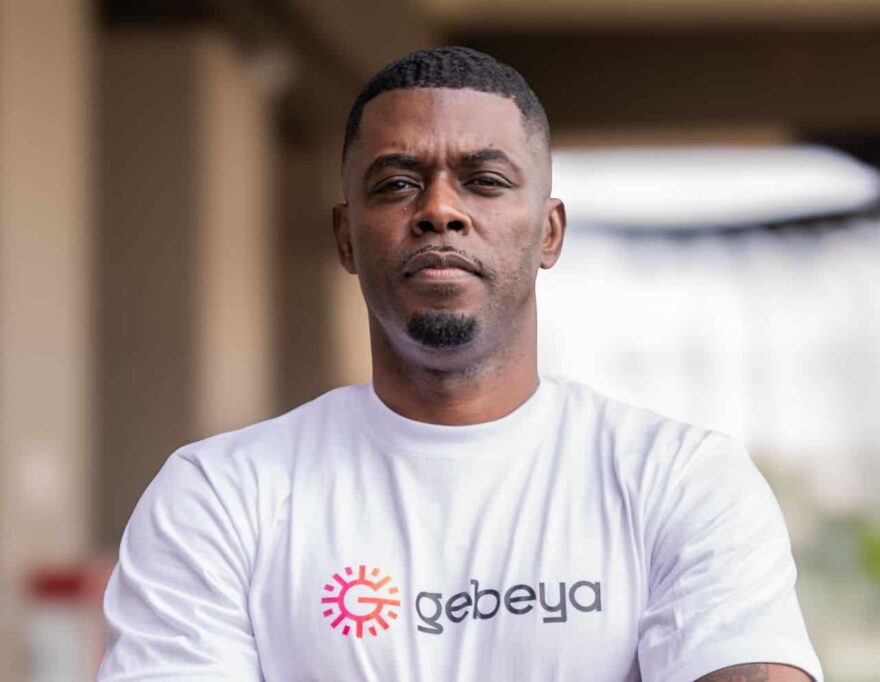
In just four months since launching its flagship AI-powered suite, Ethiopian-founded platform Gebeya has surged to 85,000 users, cementing its status as one of Africa’s fastest-growing AI startups. This rapid ascent highlights the continent’s untapped potential to lead in democratizing artificial intelligence, particularly through tools tailored to local needs and languages.
At the heart of Gebeya’s momentum is Gebeya Dala (often called Dala), a no-code AI app builder that lets users create functional applications, websites, games, and even digital content simply by describing ideas in natural language via text or voice prompts in local African languages. Launched in late October 2025, Dala has drawn thousands of active users, with an impressive 8% conversion rate to paying customers a rarity in the competitive AI space where free tiers often dominate.
“Gebeya Dala empowers anyone, from curious teenagers to aspiring entrepreneurs, to build their first digital product without coding skills,” said Amadou Daffe, CEO and co-founder of Gebeya. The platform addresses key barriers in Africa, such as limited technical expertise, high development costs, and language gaps in global AI tools.
Gebeya’s origins trace back nearly a decade as a coding academy and talent platform empowering freelancers and the service economy across the continent. Today, it has evolved into a full-fledged AI innovator, with Dala as its breakout product among a suite of four AI offerings. Early beta goals aimed for 30,000 users by year-end 2025; the platform has far exceeded that, reflecting strong organic adoption in Ethiopia and beyond.
A major catalyst for Gebeya’s future ambitions is its strategic partnership with Cassava Technologies, a pan-African infrastructure giant. Announced in December 2025, the collaboration leverages Cassava’s cloud, GPU-ready data centers, and fiber networks to power Gebeya Dala while ensuring data sovereignty and low latency for African users. The partnership extends to developing culturally relevant models, including plans for a small language model (or context-specific model) focused on African languages and use cases rather than chasing massive global LLMs.
This infrastructure edge positions Gebeya to train and deploy AI solutions locally, complying with data residency requirements and reducing reliance on foreign clouds. As Daffe noted, such localized models could specialize in sectors like agriculture, health, or creative storytelling rooted in African oral traditions.
Gebeya’s trajectory comes amid Ethiopia’s broader push to become an AI powerhouse. Recent developments include the launch of the AI UniPod innovation hub and plans for the country’s first AI university, aligning with the Digital Ethiopia 2030 strategy. Gebeya was also named a
finalist in the Afreximbank Accelerator Programme in early 2026, recognizing its AI agents for streamlining African business operations.
For Africa, Gebeya represents more than a single startup success it’s a blueprint for inclusive innovation. By lowering barriers to tech creation, it could empower millions in the informal economy, youth, and underserved regions to become creators rather than mere consumers of technology. Analysts suggest tools like Dala could accelerate digital entrepreneurship, boost job creation in the gig and service sectors, and contribute to economic diversification amid projections that AI could add billions to Africa’s GDP.
As Gebeya scales, its focus on African-centric AI voice-first interfaces, local-language support, and on-continent infrastructure offers a compelling model for equitable tech advancement. In a world where global AI often overlooks the Global South, Gebeya is proving that homegrown solutions can drive massive impact.
With continued growth and partnerships, this Ethiopian pioneer may well help shift the narrative: Africa’s AI future isn’t imported it’s being built right here.
For more details, visit gebeya.com or try Dala at dala.gebeya.com.