New Delhi, India – February 24, 2026
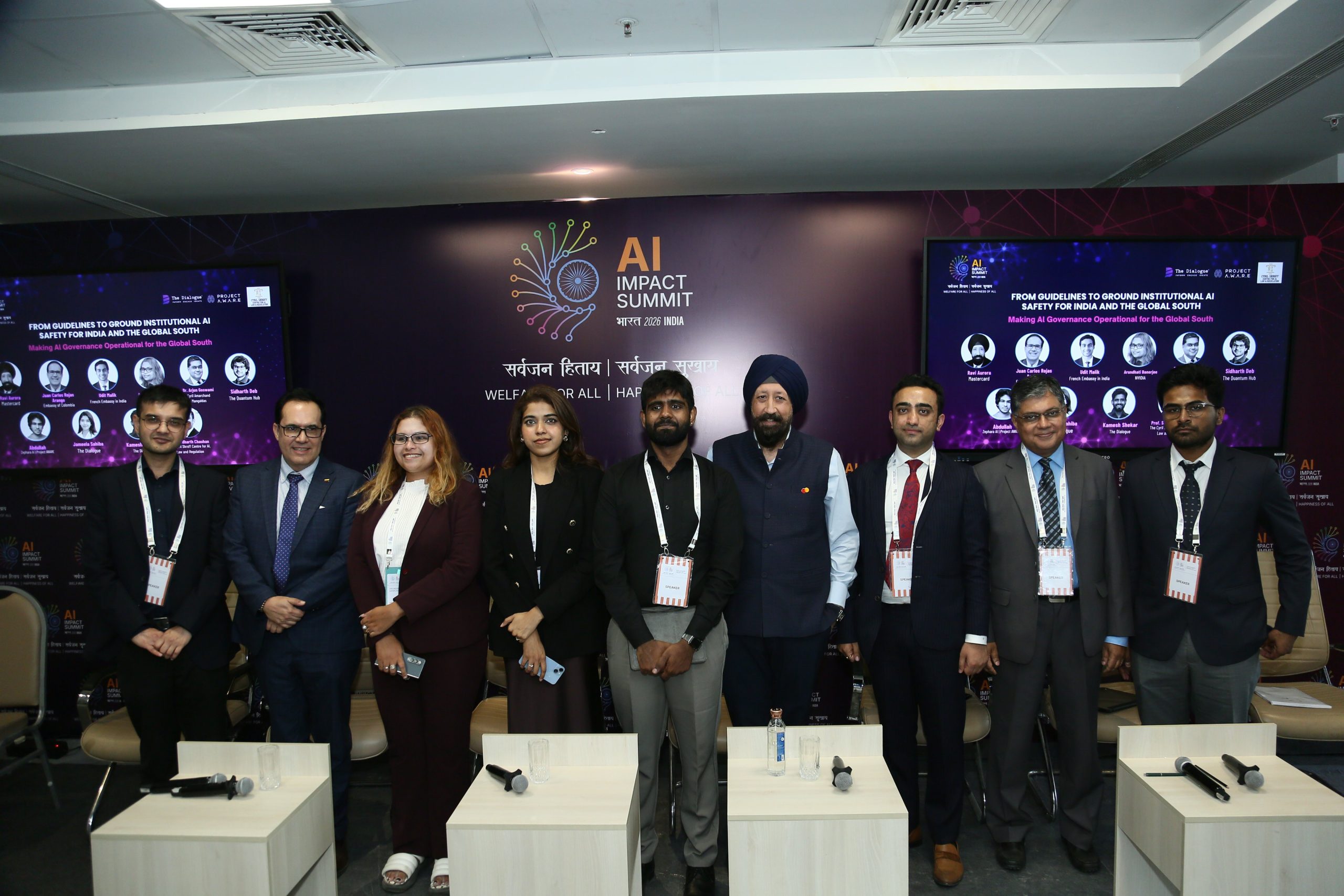
In the heart of New Delhi’s Bharat Mandapam, on February 18, 2026, the Research Symposium on AI and Its Impact unfolded as a pivotal prelude to the broader India AI Impact Summit 2026. Organized by the Government of India under the IndiaAI Mission, with the International Institute of Information Technology, Hyderabad (IIIT-Hyderabad) as the knowledge partner, this one-day interdisciplinary forum drew over 250 research submissions from across Africa, Asia, Latin America, and beyond. It served as a bridge between cutting-edge AI research and real-world policy applications, emphasizing the summit’s overarching theme of “Shaping AI for Humanity, Inclusive Growth & a Sustainable Future.”
The symposium, the first of its kind in the Global South, aimed to showcase frontier AI innovations, foster interdisciplinary dialogue, and translate academic insights into actionable outcomes for policymakers and practitioners. With a focus on equitable access and Global South priorities, it highlighted how AI can drive scientific discovery, enhance safety and governance, and promote collaborations that address regional challenges.
A Packed Agenda: From Inaugurals to Showcases
The day kicked off with an inaugural session that set the tone for visionary discussions on AI’s role in global development, productivity, and inequality reduction—extending beyond the UN Sustainable Development Goals (SDGs). Plenary sessions delved into key themes, including AI-driven scientific discovery, safety protocols, governance frameworks, equitable compute access, and partnerships across the Global South.
Short, focused presentations in the International Research Showcase featured global leaders sharing groundbreaking AI innovations, from advanced algorithms to real-world applications in sectors like healthcare and agriculture. A standout element was the “Best of the Global South” poster session, which spotlighted 30 selected posters under the Global South Poster Track, 15 from the India Forum Showcase, and 15 in the Students Showcase. These exhibits showcased vibrant contributions from student teams and collaborative researchers, emphasizing inclusive and policy-relevant work.
Research Dialogue sessions, such as “The Next Frontiers: Grand Challenges in AI Research,” explored breakthrough ideas and cross-disciplinary collaborations, underscoring AI’s potential to solve pressing global issues.
Key Discussions: Safety, Governance, and Equitable Access
Central to the symposium were conversations on building a “Safe & Trusted AI” ecosystem, particularly resonant for emerging economies. Panels addressed algorithmic biases, data sovereignty, and the need for accountable AI systems in critical sectors like health and public administration. Equitable compute access emerged as a recurring theme, with calls for shared infrastructure to democratize AI resources for startups and researchers in underrepresented regions.
The event also emphasized AI’s alignment with the summit’s three “Sutras”—People, Planet, and Progress—focusing on human-centric, environmentally sustainable, and equitable AI advancements.
Africa’s Prominent Role: From Submissions to Sovereign Solutions
African researchers and institutions played a significant role, reflecting the continent’s growing stake in global AI discourse. Submissions from Africa highlighted innovations in agritech, health diagnostics, and language models tailored to multilingual, low-resource environments. Research ICT Africa (RIA), a key participant, presented on AI justice, governance, and safety from an African lens, including a paper by Liz Orembo and Dr. Kola Ijasan titled “Democratisation for Who?” which stressed the need for civic data access to empower marginalized communities.
A dedicated panel on “Toward Collective Action: Safe & Trusted AI in Africa” featured African thought leaders like Amb. Philip Thigo, Dr. Chinasa T. Okolo, Dr. Kola Ijasan, Prof. Jonathan Shock, and Mark Gaffley. Thigo emphasized that “unsafe AI is not only a technical failure—it’s when systems extract African data and concentrate value elsewhere,” warning against digital neo-colonialism and advocating for national safety nodes, regional benchmarks, and procurement standards.
These discussions aligned with broader calls for South-South coalitions, positioning Africa as an active innovator rather than a passive consumer of AI technologies. As Marine Collins Ragnet, AI Lead at NYU’s Peace Research and Education Program, noted in a related summit interview: “It’s incredible to see the approach that India has taken to become sovereign in its AI development… India really sits at a very interesting position as a broker between the Global South and the Global North.”
Outcomes and Broader Implications
The symposium not only fostered collaborations but also fed into the summit’s policy outputs, including the Delhi Declaration on AI, which pledges equitable global access. By bringing together academics, policymakers, and industry, it underscored India’s ambition to lead AI standards while amplifying Global South voices.
For Africa, the event signals opportunities for partnerships in data infrastructure, talent development, and sector-specific AI applications. As the continent grapples with only 2% of global AI training data, initiatives like those discussed could accelerate sovereign AI ecosystems, from Rwanda’s national policy to Nigeria’s startup boom.
As the India AI Impact Summit wrapped up, the symposium’s legacy lies in its call to action: turning AI research into inclusive progress that benefits all of humanity, with the Global South at the forefront.