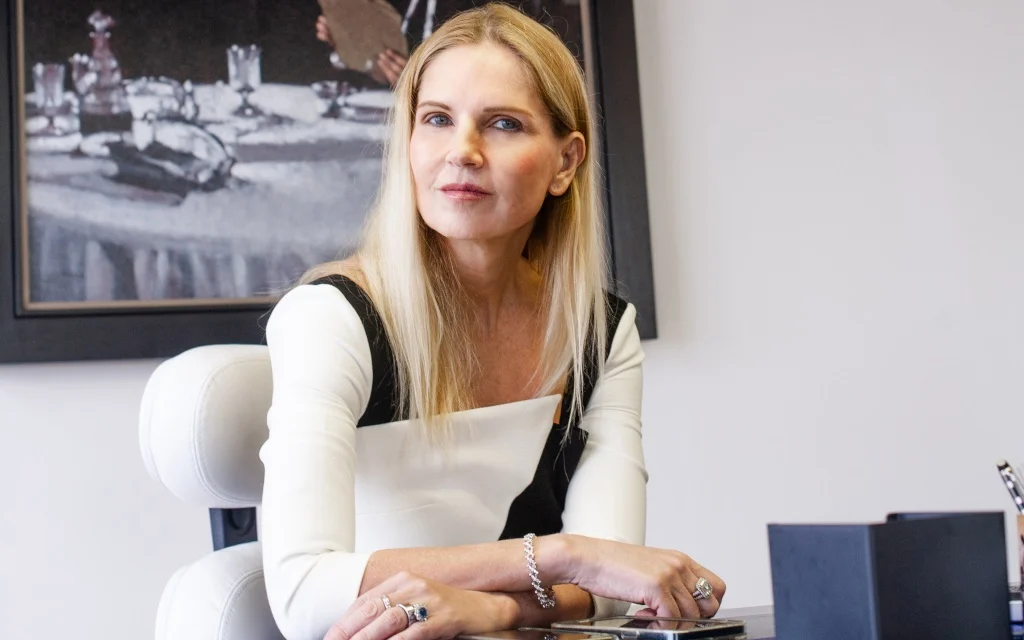
In a bold move to harness South Africa’s burgeoning artificial intelligence (AI) talent and stem the exodus of innovators overseas, Magda Wierzycka, the self-made billionaire and CEO of Sygnia Ltd., has announced the launch of a new venture capital fund dedicated to local AI startups. This initiative, set to become operational within six months, could mark a pivotal shift not just for South Africa but for the broader African AI ecosystem, addressing chronic funding shortages and fostering homegrown technological advancement.
Wierzycka, often hailed as South Africa’s richest woman with a net worth built through her asset management empire, has long been a vocal advocate for economic reform and innovation in the country. Her return to South Africa after six years running a venture capital business in the UK has fueled this latest endeavor, which aims to invest in entrepreneurs developing AI-based tools and systems.cdafe9 “South Africans are building things here, inventing concepts, but don’t have capital behind them, so they make their proposals to offshore venture capital funds,” Wierzycka told Business Times, highlighting the risk of losing intellectual property (IP) and top engineering talent to foreign investors. She emphasized that without deliberate local support, “all we are doing is exporting our best software engineers.”
Sygnia, South Africa’s second-largest asset management firm, will back the fund, which goes beyond mere financing. It promises to guide startups on obtaining proper licensing, effective marketing, and transforming raw ideas into viable products. The formal announcement came on February 23, 2026, amid growing excitement in the tech community, as evidenced by discussions on platforms like X (formerly Twitter), where users praised the move for its potential to retain local talent. Wierzycka’s track record adds credibility; she has previously invested in AI and innovative diagnostics through Sygnia’s OSI Fund, demonstrating a commitment to blending technology with practical applications.
The fund arrives at a critical juncture for Africa’s AI landscape. South Africa, with its robust engineering base, leads the continent in AI development, but the sector faces hurdles like funding gaps and infrastructure deficits. A recent AI Outlook 2026 report noted over 120 active AI startups in Nigeria alone, yet many struggle with uneven adoption and limited resources. Wierzycka’s initiative could serve as a model, preventing the “brain drain” she warns about and encouraging similar investments across Africa.
By keeping IP and founders at home, it aligns with continental goals, such as the African Union’s recent Memorandum of Understanding with Google to enhance AI training and infrastructure, aiming to upskill millions by 2030.
Experts see broader ripple effects. “This isn’t just about South Africa; it’s about positioning Africa as a player in global AI,” said one analyst at the Nairobi AI Forum 2026, where discussions highlighted the African Development Bank’s $10 billion initiative for AI-driven jobs and upskilling by 2035. Wierzycka’s fund could catalyze partnerships, drawing in international players while prioritizing local control. In sectors like healthtech, fintech, and agritech where African startups like Penda Health and Rising Academies are already leveraging AI for virtual tools it offers a lifeline against connectivity constraints and capital flight.
However, challenges remain. Wierzycka herself has expressed skepticism about South Africa’s broader economic environment, once stating she no longer sees it as a “land of opportunity” due to systemic issues. Yet, her decision to launch this fund signals optimism in targeted interventions. “There’s no time to waste,” she said, underscoring the urgency of seeding the fund quickly.
As Africa grapples with AI’s dual-edged sword evident in Wierzycka’s recent Davos reflections on its rapid societal impact this venture represents a step toward self-reliance. If successful, it could inspire a wave of localized funding, turning the continent’s youthful, tech-savvy population into a global innovation force, rather than exporting it to Silicon Valley. For now, all eyes are on Wierzycka’s next moves, as her fund promises to redefine Africa’s role in the AI revolution.