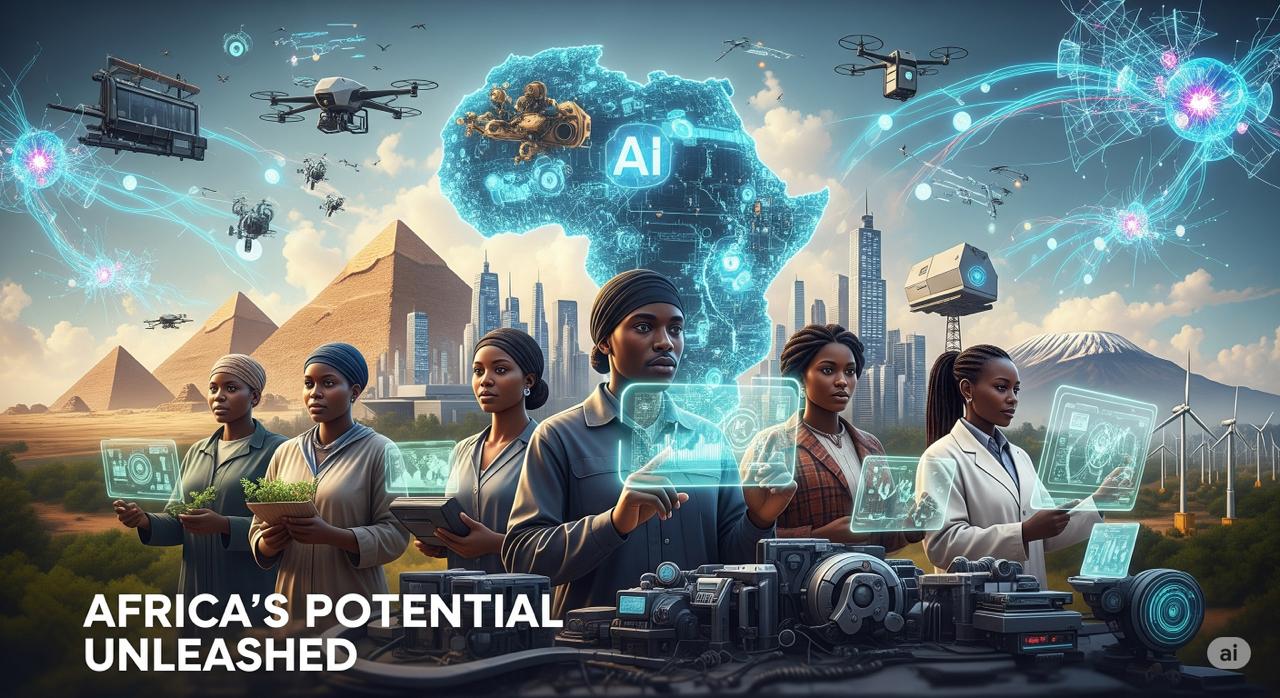

Africa’s technology landscape is experiencing a marked acceleration as artificial intelligence (AI) and deep-tech ventures become central to the continent’s innovation agenda, reshaping industries from healthcare to agriculture and strengthening links between founders, investors, and policymakers.
Recent industry reports confirm that AI and deep-tech startups are contributing significantly to the continent’s broader tech momentum, even as structural challenges persist. Funding activity, startup growth, and ecosystem engagement all point toward a maturing environment where advanced technology is increasingly part of Africa’s economic future.
Record Growth in Startup Funding
In 2025, African tech startups collectively raised about $1.64 billion in funding, a nearly 50 % increase year-on-year, according to the latest research from Disrupt Africa. This growth reflects renewed investor appetite following a global funding slowdown and includes equity, debt, and grant capital flowing toward high-growth ventures.
While fintech remains a dominant force, AI-enabled companies have been noted as a fast-emerging category attracting interest from both local and international investors, particularly where technology solves real-world problems.
AI Startup Proliferation Across Key Markets
Countries such as Nigeria, Kenya, South Africa, and Egypt continue to lead in AI readiness, talent formation, and startup activity, drawing both institutional support and private capital. In Nigeria alone, reports show more than 120 active AI startups, spanning sectors such as healthtech, natural language processing, and autonomous systems.
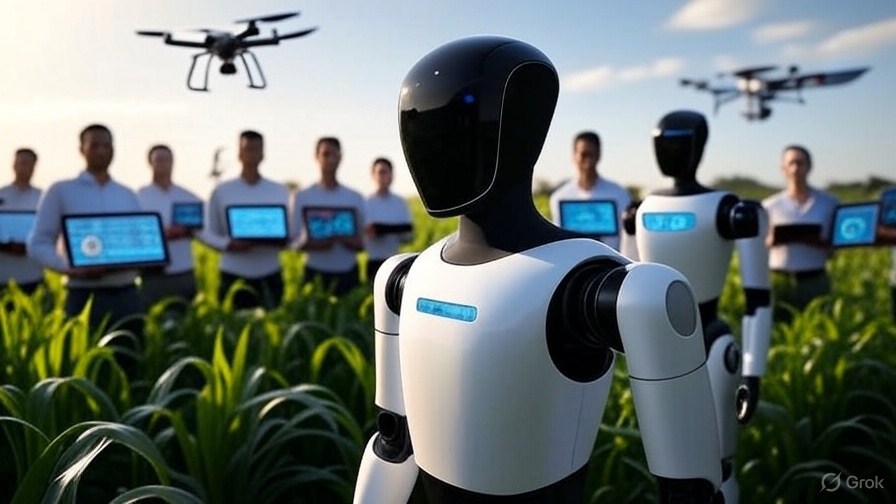
These startups are developing solutions with deep societal impact from indigenous language models and AI-powered healthcare diagnostics to drone automation illustrating how localized innovation can be both market-relevant and globally competitive.
Ecosystem and Network Building
Beyond funding, ecosystem events and collaborative platforms are playing a key role in deepening the continent’s innovation infrastructure. Initiatives such as South Africa’s inaugural SA Innovation Week are geared toward uniting entrepreneurs, investors, researchers, and public-sector actors around shared technological priorities. These forums allow startups to showcase solutions, build partnerships, and tap into regional and global networks.
Meanwhile, programs like the Google for Startups Accelerator Africa continue to expand support for growth-stage AI ventures, offering mentorship, technical resources, and community connections to founders building solutions across sectors including health, climate, and agritech.
Challenges and Looking Ahead:
Despite the positive momentum, the ecosystem still faces hurdles such as talent shortages, infrastructure limitations, and uneven investment distribution which many founders and stakeholders say must be addressed to sustain long-term growth.
Industry analysts suggest that with continued investor engagement, improved policy frameworks, and expanded collaboration across borders, Africa’s AI and deep-tech sector could become a major engine of innovation on the global stage.