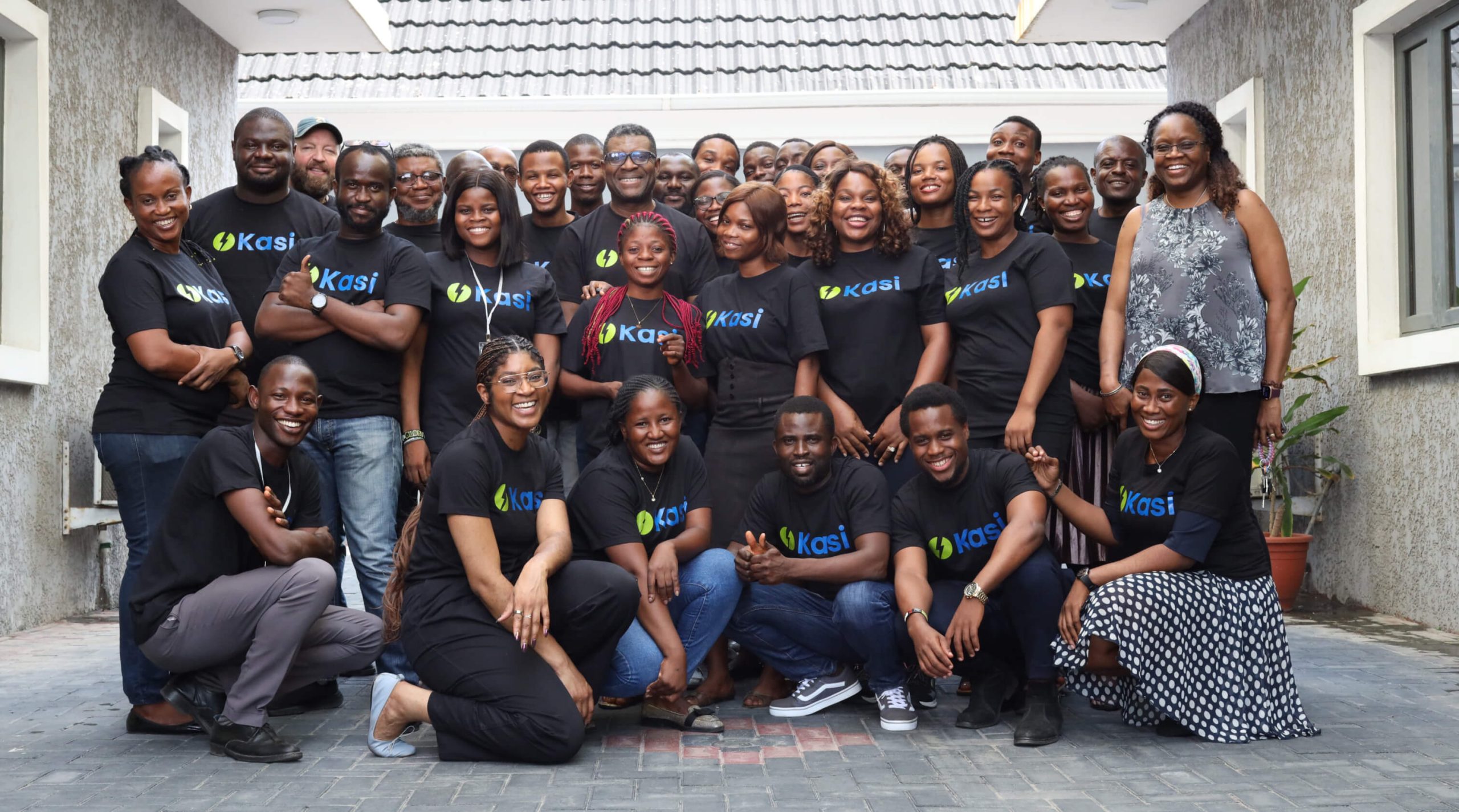
Lagos, Nigeria – March 5, 2026 – In a landmark development for Africa’s tech landscape, Kasi Cloud has announced the impending launch of its 100MW AI-capable data center campus in Lekki, Lagos, marking the continent’s most ambitious infrastructure project tailored for artificial intelligence workloads. This $250 million initiative, first broken ground in April 2022, is set to commence commercial operations in the second quarter of 2026, starting with an initial 5.5MW capacity that will scale up to 8MW in the first building alone.
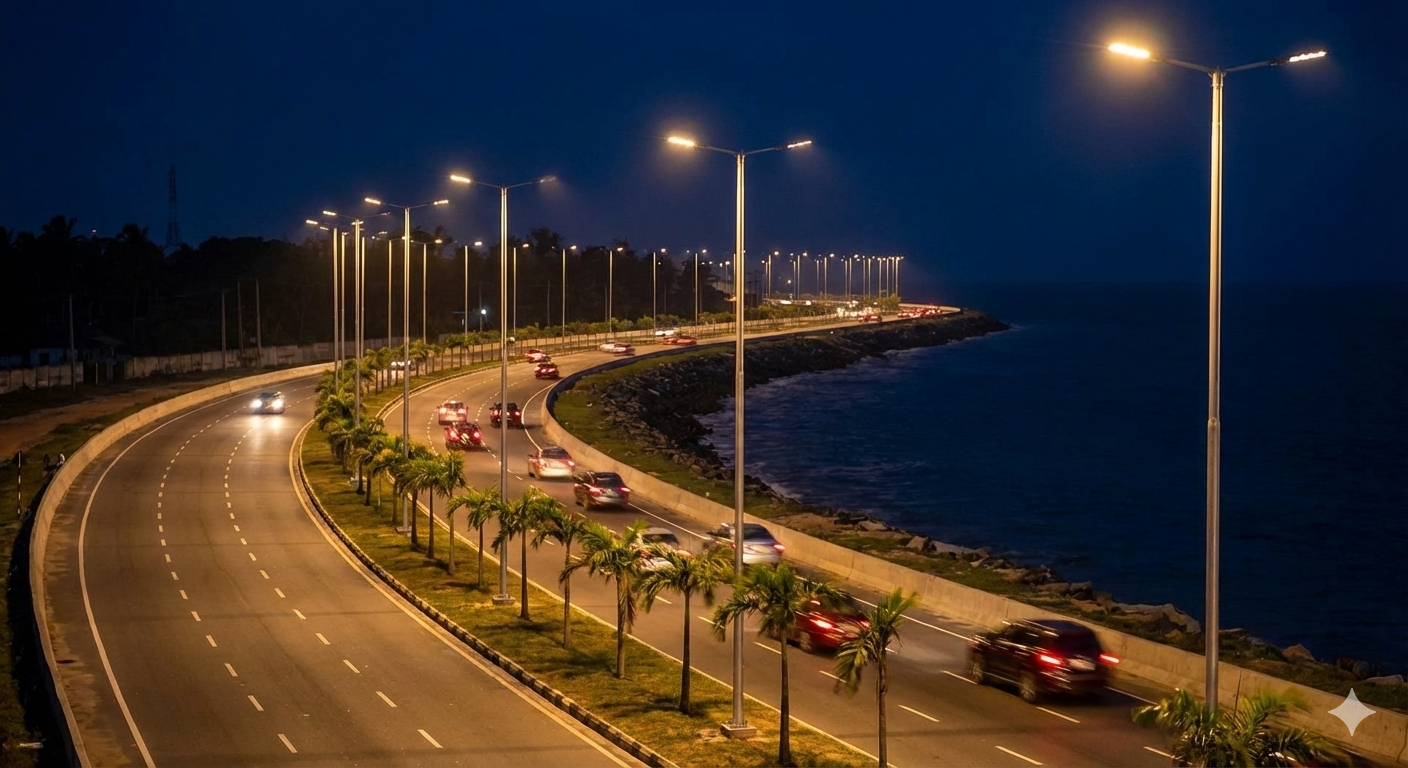
The sprawling 42-hectare campus, located along the Lagos-Calabar Coastal Road in Lekki Peninsula II, represents a significant upgrade from Nigeria’s existing data infrastructure, which is limited to about 20MW across 17 operational facilities. Unlike retrofitted centers common in the region, Kasi Cloud’s facility was “designed for AI from day one,” as emphasized by founder and CEO Johnson Agogbua during a recent tour. The six-storey buildings are engineered for high-density computing, supporting hyperscale cloud services and AI applications that demand immense power and cooling efficiency.
Backed by the Nigeria Sovereign Investment Authority (NSIA), the project underscores Nigeria’s push toward digital sovereignty and economic diversification. Construction, which ramped up in Q2 2023, has transformed a coastal site into a hub poised to attract global tech giants. Kasi Cloud’s mission extends beyond Lagos, with plans for another campus in Eket, Akwa Ibom, as part of a broader strategy to build sustainable data platforms across Africa. The company commits to “green by design” principles, incorporating energy-efficient technologies to mitigate the environmental impact of data centers, which are notorious for high power consumption.
This development comes at a critical juncture for Africa, where AI adoption is accelerating amid global demand for localized data processing to reduce latency and enhance data security. Lagos, already a vibrant tech hub, stands to benefit immensely, with the center expected to create jobs, foster innovation, and position Nigeria as a key player in the global AI ecosystem. As Agogbua noted, “Nigeria needs more data centers to support its growing digital economy,” highlighting the facility’s role in bridging the infrastructure gap.
However, challenges remain, including Nigeria’s persistent power instability, which could hinder operations despite the campus’s scalable 100MW capacity. Regional discussions on platforms like X have sparked debates about equitable investment distribution, with some users questioning why similar projects aren’t prioritized in other states like Anambra or Enugu.
As Kasi Cloud gears up for launch, this data center not only boosts Africa’s AI capabilities but also signals a shift toward self-reliant digital infrastructure, potentially unlocking opportunities for over a billion people across the continent.