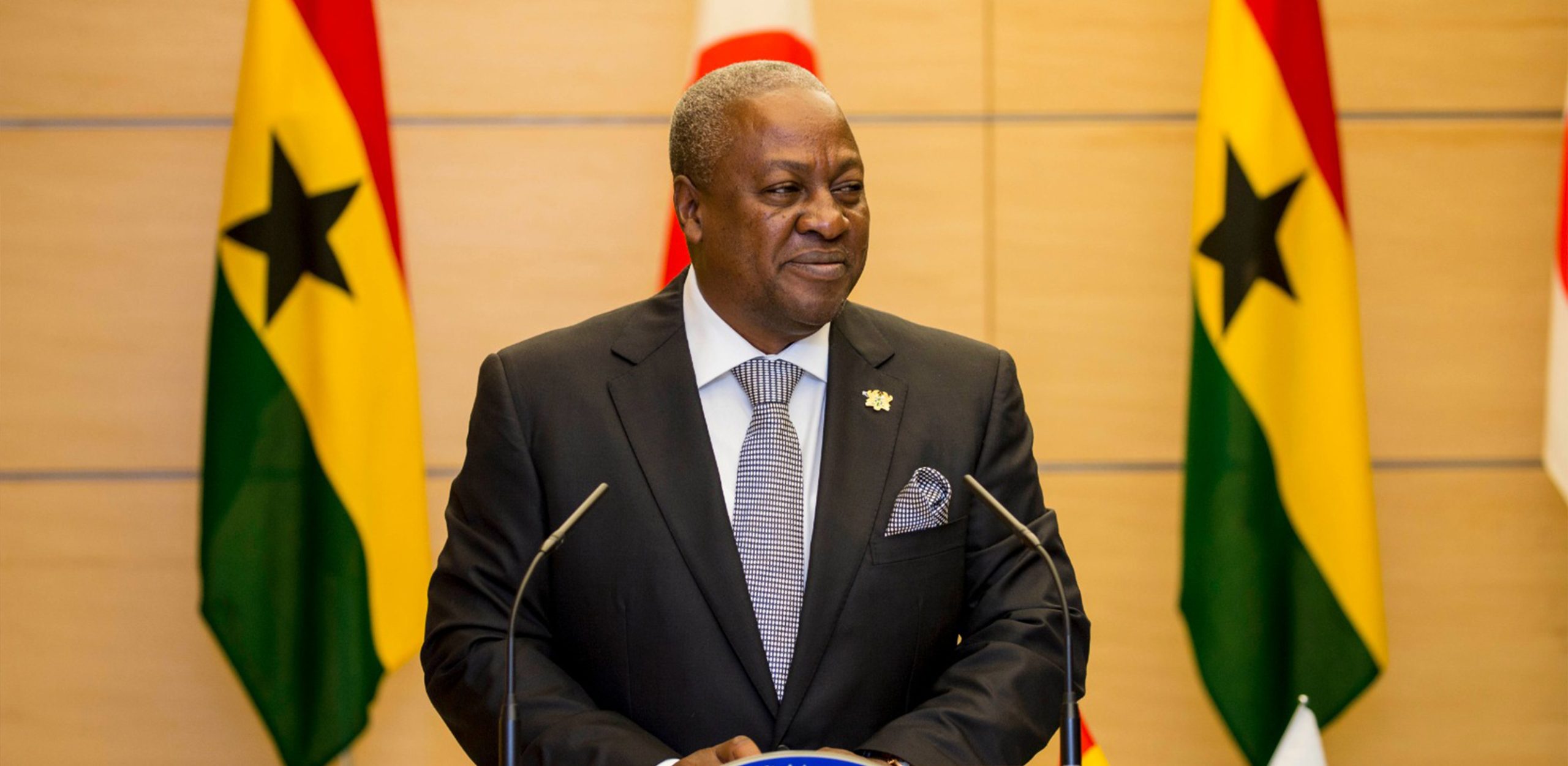
ACCRA — Ghana’s Cabinet has approved a $250 million investment to establish a national artificial intelligence computing centre, marking a significant government-led push to strengthen the country’s digital economy, Communications Minister Samuel Nartey George announced Tuesday.
The announcement came during a national stakeholder engagement on Ghana’s AI Readiness Assessment Methodology report, held March 31, 2026, at the Best Western Premier Hotel in Accra. The event, organized in collaboration with UNESCO and funded by the European Union, brought together representatives from government ministries spanning health, education, justice, and agriculture, alongside researchers, technology startups, and civil society organizations.
The quarter-billion-dollar facility represents a distinctly government-driven initiative, separate from the $1 billion Ghana-UAE AI innovation hub partnership announced in December 2025, which is being financed and developed by Dubai’s Ports, Customs and Free Zone Corporation. While the UAE project focuses on attracting multinational technology companies to a special economic zone in Ningo-Prampram, the newly approved computing center is positioned as national infrastructure to support domestic research capacity and public sector AI deployment.
Strategy Launch Set for April 24
Ghana’s National Artificial Intelligence Strategy has also received Cabinet approval and is scheduled for official launch on April 24, 2026, George confirmed. He described the dual approvals as a milestone in the country’s digital policy journey, noting that the strategy will guide AI adoption across sectors from agriculture and healthcare to financial services.
“Today marks a decisive step in Ghana’s path toward a responsible, innovative, and globally competitive Artificial Intelligence ecosystem,” the minister stated during the engagement.
The proposed centre will support research, development, and deployment of AI technologies across industries including agriculture, healthcare, education, and financial services, according to the minister’s announcement.
Four Priority Areas Identified
The UNESCO AI Readiness Assessment Methodology provides a framework for evaluating a country’s preparedness across governance, infrastructure, data ecosystems, research capacity, economic readiness, and ethical safeguards. Findings from Ghana’s assessment have informed the government’s implementation priorities.
Four priority areas have been identified: strengthening data governance systems, investing in AI research and computing infrastructure, expanding AI education and digital skills, and embedding ethical safeguards in deployment.
The minister emphasized that the computing center is designed to reduce Ghana’s dependence on foreign technology infrastructure, giving local researchers, developers, and startups the tools to build solutions domestically. He called on academia, industry, and development partners to contribute concrete ideas to shape the country’s AI implementation plans.
Building on Digital Foundation
Ghana’s mobile penetration currently exceeds 110%, with about 38 million mobile subscriptions nationwide, providing a strong foundation for AI-driven growth, officials noted. The country’s telecommunications expansion and ongoing 5G rollout are seen as critical enablers for AI applications requiring low-latency connectivity.
UNESCO Representative Moukala stressed during the engagement that strong institutions are essential for successful digital transformation, noting that AI governance requires a multi-sectoral and adaptive regulatory approach. He emphasized the need for transparency, accountability and reliability in AI systems to ensure all citizens benefit from the technology.
Continental Ambitions
The Minister placed Ghana’s AI ambitions within the broader African continental agenda, noting that the African Continental Free Trade Area Secretariat, headquartered in Accra, positions the country at the center of the continent’s emerging digital trade ecosystem.
The minister set an ambitious benchmark for Ghana’s technology sector: scaling solutions from reaching 20,000 people locally to 20 million across the continent.
Distinct from Foreign Investment Hub
The government’s $250 million computing center announcement comes four months after Ghana and the UAE signed their $1 billion partnership agreement. The UAE deal allocates $400 million to AI infrastructure, including $180 million for an AI Compute Hub developed by UAE-based technology group G42, plus $100 million for a national AI-powered digital identity system and $120 million for a Ghana AI Startup Studio in partnership with Hub71.
While both initiatives advance Ghana’s AI capabilities, the government-led facility signals an institutional commitment to building sovereign technological capacity rather than relying solely on foreign-financed infrastructure. The distinction matters for questions of data governance, research autonomy, and long-term strategic control over critical digital infrastructure.
The Cabinet’s approval converts policy ambition into budgetary commitment, with implementation details expected to emerge following the April 24 strategy launch. Whether the $250 million investment will be sourced from domestic revenues, development financing, or international partnerships remains to be clarified.
This article draws on official government announcements and reporting from multiple Ghanaian news outlets.