
Nation Unveils 10-Year Vision for Human-Centered, Localized Artificial Intelligence
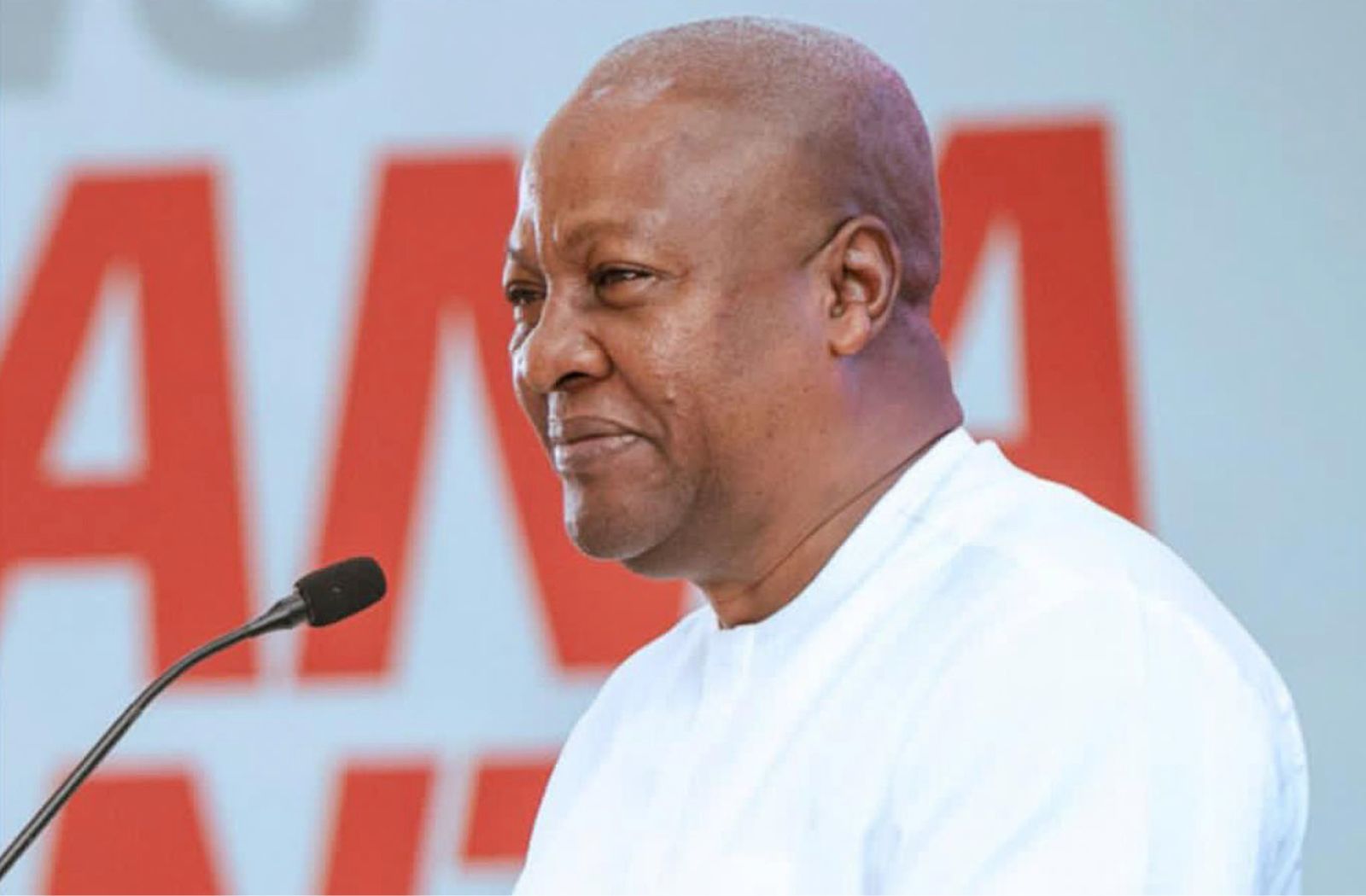
In a landmark moment for West Africa’s technological advancement, Ghana officially launched its first National AI Strategy on Thursday, setting an ambitious course to harness artificial intelligence as a $45 billion engine of economic growth by 2035. President John Dramani Mahama unveiled the decade-long roadmap in Accra, emphasizing a distinctly African approach to AI development—one rooted in local values, languages, and the lived realities of Ghanaian communities.
The National AI Strategy (2025–2035) represents a comprehensive vision for integrating artificial intelligence across Ghana’s economy, from agriculture and healthcare to education and governance. Unlike many AI initiatives that simply import Western models, Ghana’s approach emphasizes responsible, human-centered development that reflects the nation’s unique cultural context and development priorities.
“This is not just about adopting technology for technology’s sake,” President Mahama told a gathering of government officials, tech entrepreneurs, and international observers at the launch ceremony. “This is about ensuring that artificial intelligence serves our people, speaks our languages, understands our challenges, and amplifies our potential.”
Ambitious Economic Targets
The strategy projects that AI could contribute as much as $45 billion to Ghana’s GDP by 2035—a transformative figure for a country whose current GDP stands at approximately $77 billion. This projection positions AI not as a peripheral innovation but as a central pillar of national economic development.
To support this vision, the government has committed to major infrastructure investments, including $250–270 million for a national AI computing center. This facility will provide researchers, startups, and enterprises with access to high-performance computing resources—addressing a critical gap that has historically limited Africa’s participation in advanced AI development.
The strategy also establishes a National AI Fund to finance AI research, startup incubation, and skills development programs. While specific funding amounts were not disclosed at the launch, officials indicated that the fund would combine government resources with private sector partnerships and international development assistance.
Localization and Cultural Context
What distinguishes Ghana’s AI strategy from many global counterparts is its explicit emphasis on localization. The framework calls for AI systems that can process Ghana’s diverse linguistic landscape, including Akan, Ewe, Ga, and Dagbani, rather than relying exclusively on English-language models.
“When AI systems are trained primarily on Western data and Western languages, they inevitably carry Western biases and blind spots,” explained Dr. Akosua Mensah, Ghana’s newly appointed Chief AI Officer. “We need AI that understands how a Ghanaian farmer manages crops during the rainy season, how a trader in Makola Market conducts business, how our healthcare workers diagnose tropical diseases. That knowledge doesn’t exist in Silicon Valley datasets.”
The strategy outlines plans to create locally-relevant datasets, develop AI applications tailored to Ghanaian industries, and establish ethical guidelines that reflect African values of community, dignity, and collective wellbeing rather than purely individualistic frameworks imported from abroad.
Responsible and Ethical Framework
Human-centered development sits at the core of the strategy. The document explicitly commits to AI governance that prioritizes transparency, accountability, and protection of citizens’ rights. This includes safeguards against algorithmic discrimination, requirements for explainable AI in public services, and mechanisms for community input in how AI systems are designed and deployed.
The strategy also addresses concerns about job displacement, calling for workforce transition programs and educational reforms to prepare Ghanaians for an AI-augmented economy. Rather than viewing automation as a threat, the framework positions it as an opportunity to free workers from repetitive tasks and enable them to focus on higher-value activities.
“We’re not naive about the challenges,” said Minister of Communications and Digitalisation Ursula Owusu-Ekuful. “AI will disrupt labor markets. But with proper planning, investment in education, and social protection systems, we can ensure that transition is managed fairly and that the benefits are widely shared.”
Regional Leadership and Continental Implications
Ghana’s AI strategy arrives at a moment of growing technological ambition across Africa. Rwanda, Kenya, and Egypt have all advanced their own AI initiatives, while the African Union has called for coordinated continental approaches to emerging technologies.
Industry observers see Ghana’s framework as potentially setting a template for other African nations, particularly in its emphasis on cultural context and responsible development. The strategy explicitly calls for regional collaboration, including partnerships with neighboring Economic Community of West African States (ECOWAS) members.
“What Ghana is demonstrating is that African countries don’t have to be passive consumers of AI developed elsewhere,” noted Dr. Nanjira Sambuli, a digital policy researcher at the University of Ghana. “We can be active shapers of this technology, building AI that serves African priorities and solves African problems.”
Implementation Challenges Ahead
Despite the optimism surrounding the launch, significant challenges remain. Ghana faces infrastructure constraints, including inconsistent electricity supply and limited broadband access in rural areas. The country also confronts a brain drain of technical talent to higher-paying markets abroad.
Mobilizing the hundreds of millions of dollars needed for the AI computing center and related infrastructure will require sustained political will and creative financing arrangements. The success of the National AI Fund will depend heavily on attracting private investment and international partnerships.
Critics also note that Ghana’s governance and regulatory institutions will need significant strengthening to effectively oversee AI deployment and protect citizens from potential harms. Developing local AI expertise—from data scientists to ethicists to policy specialists—will take years of sustained investment in education.
A Vision for 2035
The strategy envisions Ghana as a regional AI hub by 2035, with thriving tech ecosystems in Accra and Kumasi, widespread AI adoption across industries, and a new generation of Ghanaian AI researchers and entrepreneurs making global contributions to the field.
It forecasts AI-powered improvements in agricultural productivity, more efficient healthcare delivery, enhanced educational outcomes, and smarter urban planning. The document imagines a future where Ghanaian startups export AI solutions to other African markets and where locally-developed language models serve the continent’s linguistic diversity.
“Ten years is both a long time and a very short time,” President Mahama acknowledged in his closing remarks. “The work begins now. Every researcher we train, every startup we support, every ethical safeguard we put in place—these are the building blocks of the future we’re creating. A future where technology serves humanity, where innovation respects our values, and where Ghana leads with both ambition and wisdom.”
As Ghana embarks on this ambitious journey, the global AI community will be watching closely. The success or failure of this strategy could chart a new course for how developing nations engage with transformative technologies—not as passive recipients, but as active architects of their digital futures.