Academy Award winner draws line between technological enhancement and authentic artistic expression in TIME interview
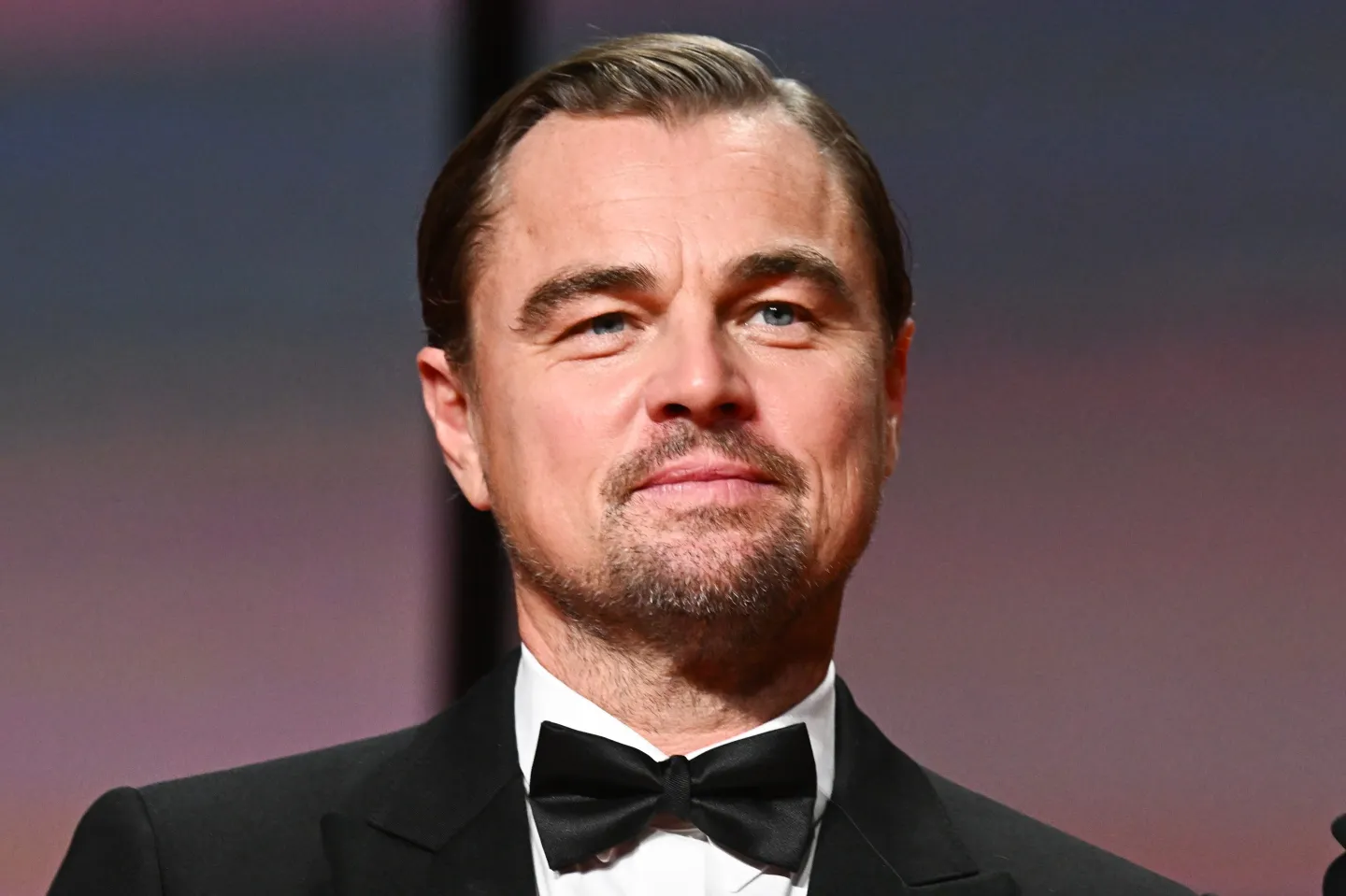
Leonardo DiCaprio, named TIME magazine’s 2025 Entertainer of the Year, has entered the heated debate surrounding artificial intelligence in Hollywood with a nuanced perspective that acknowledges the technology’s potential while firmly defending the irreplaceable nature of human creativity.
In his recent conversation with TIME, the Oscar winner discussed the controversial technology, noting how AI could potentially be beneficial to the industry while also expressing concern about talented and experienced people losing their jobs. His position reflects the growing tension in Hollywood as the entertainment industry grapples with how to integrate emerging technologies without sacrificing the soul of storytelling.
The Enhancement Tool Argument
DiCaprio sees a limited but legitimate role for AI in filmmaking. He suggested the technology could serve as an enhancement tool for young filmmakers to create something unprecedented, opening doors for emerging artists who might lack traditional resources or access to expensive production tools.
However, the actor was quick to establish boundaries. DiCaprio stated that anything authentically thought of as art must originate from human beings, drawing a fundamental distinction between technical assistance and creative authorship.
The “Internet Junk” Phenomenon
To illustrate his concerns about AI-generated content, DiCaprio pointed to the proliferation of AI-created music that has flooded digital platforms. He described encountering mashups that sound technically impressive—imagining Michael Jackson’s voice performing a song by The Weeknd, or A Tribe Called Quest’s funk reimagined with Al Green’s soul styling—creations that initially seem remarkable but ultimately lack staying power.
DiCaprio observed that while such AI creations can be brilliant, they typically enjoy their fifteen minutes of fame before dissipating into what he calls “internet junk,” lacking any anchoring or humanity despite their technical brilliance.
This critique speaks to a broader concern about the disposability of AI-generated content. While algorithms can produce technically proficient work by synthesizing existing patterns and styles, DiCaprio suggests they cannot create the emotional resonance or lasting cultural impact that defines meaningful art.
Part of a Larger Hollywood Conversation
DiCaprio’s comments arrive amid growing anxiety within the entertainment industry about AI’s role in creative production. He joins other prominent filmmakers who have voiced strong opinions on the subject. Guillermo del Toro made headlines at the Gotham Awards by declaring his film “Frankenstein” was made “for humans, by humans,” punctuating his statement with an emphatic rejection of AI technology.
James Cameron has similarly acknowledged that while AI can make technical aspects like visual effects more affordable, generative AI cannot create something genuinely new that has never been seen before. Cameron explained that since AI models are trained exclusively on existing work, they can only produce variations of what already exists, lacking the unique perspective that comes from an individual’s lived experience.
The Question of Cinema’s Future
Beyond the AI debate, DiCaprio expressed curiosity about what innovations might next transform filmmaking. He wondered aloud about what cinematic development might next “rattle people and shock people,” noting that contemporary directors are already pushing boundaries in multiple directions simultaneously.
This reflection suggests DiCaprio’s concern isn’t with innovation itself, but rather with ensuring that technological advancement serves human creativity rather than replacing it. His vision appears to be one where new tools empower artists to realize visions that would otherwise be impossible, without automating away the human element that gives art its meaning.
The Stakes for the Industry
The timing of DiCaprio’s comments is significant. As artificial bands gain streaming popularity on platforms like Spotify and AI-generated music personalities emerge, real musicians have increasingly called for guardrails on the technology. Similar concerns extend across all creative industries, from writing to visual arts to performance.
The debate touches on fundamental questions about authorship, authenticity, and the value society places on human creativity. If AI can generate technically proficient work instantly and cheaply, what happens to the livelihoods of working artists? And perhaps more importantly, what is lost culturally when art becomes algorithmically optimized rather than humanly expressed?
A Balanced but Firm Position
DiCaprio’s stance reflects a growing consensus among thoughtful observers: AI isn’t going away, and it may indeed offer valuable capabilities, but it should remain a tool in service of human vision rather than a replacement for human creativity. His position acknowledges practical realities while defending essential principles.
The actor’s comments suggest that the film industry faces a choice about its future identity. Will it embrace technology as a means of amplifying human artistry, or will economic pressures lead to the automation of creative work? For DiCaprio, the answer is clear: regardless of how technically impressive AI becomes, art without humanity is ultimately just sophisticated noise—brilliant perhaps, but ultimately ephemeral and meaningless.
As Hollywood continues navigating this technological transition, DiCaprio’s voice adds weight to those arguing that the human element in storytelling is not a luxury to be optimized away, but rather the very essence of what makes art worth creating and experiencing in the first place.