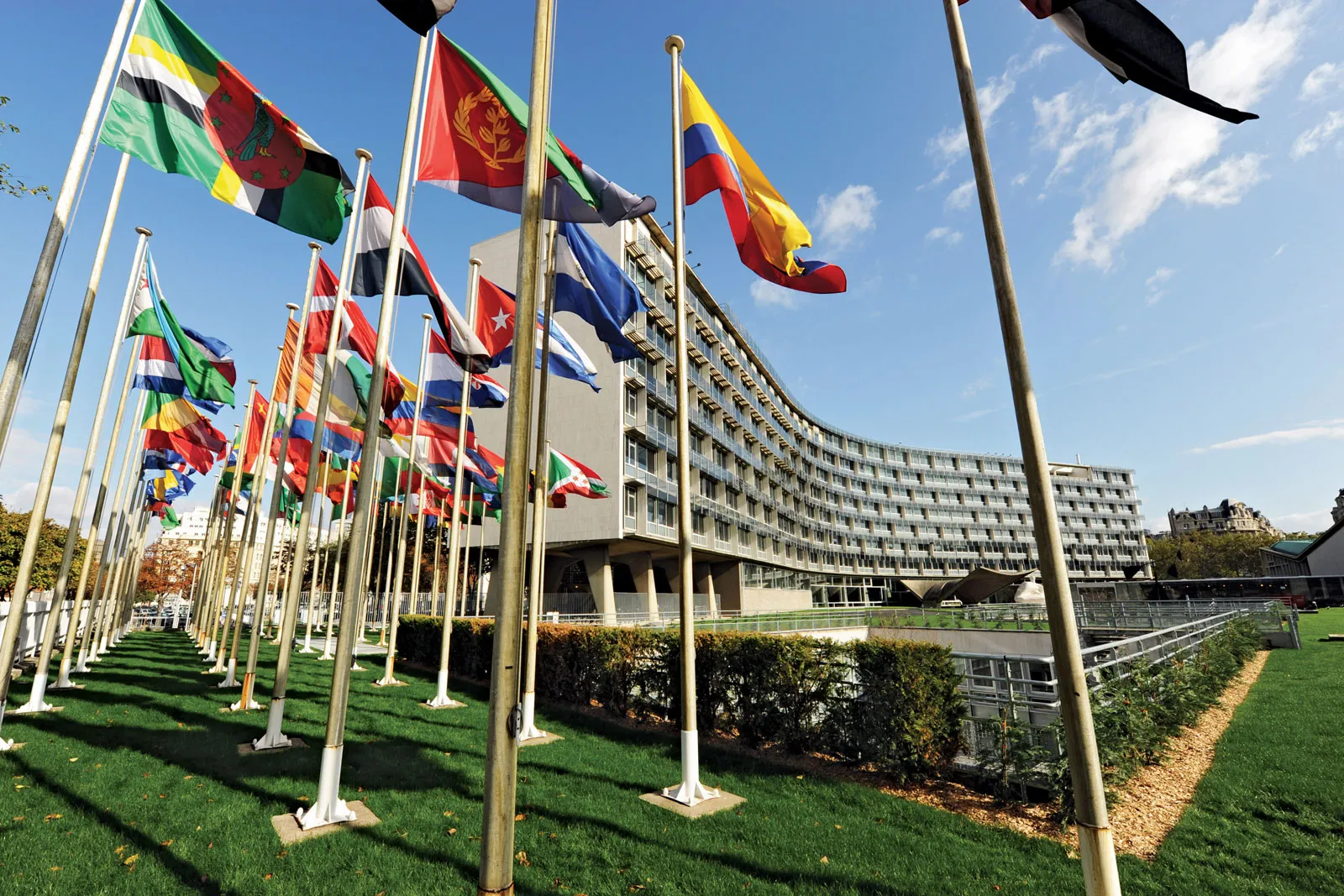
In a landmark move that’s set to redefine Africa’s technological future, UNESCO has launched its ambitious AI Initiative for Africa at the G20’s high-profile “AI in Africa” conference, marking a deepened collaboration with the African Union (AU) to embed ethical principles at the heart of the continent’s AI boom.
This initiative builds directly on UNESCO’s groundbreaking 2021 Recommendation on the Ethics of Artificial Intelligence the world’s first and only global standard for AI ethics, unanimously adopted by 193 Member States. Now, with over 29 African countries actively implementing it through national strategies and policies, the focus is shifting to action: massive capacity-building, inclusive governance, and homegrown innovation that prioritizes human rights, dignity, and African values.
The AI Initiative for Africa is a comprehensive, multi-year roadmap designed to accelerate responsible AI adoption while addressing the continent’s unique challenges from infrastructure gaps and digital divides to ensuring no one is left behind in the rush toward automation. Key pillars include:
Massive Training Programs: UNESCO plans to train 15,000 civil servants across Africa in AI governance and digital transformation, equipping public administrations to harness AI ethically. An additional 5,000 judges and judicial personnel will receive specialized training on AI’s implications for the rule of law, preventing biases in legal systems and safeguarding fair trials.
Education and Youth Empowerment: Through the expanded Youth Coding Initiative, 2,000 teachers and students will gain hands-on coding and AI skills, while 30 education policymakers from 15 countries will develop frameworks to integrate AI into curricula responsibly.
Research and Innovation Boost: A new pan-African AI incubator will support 1,500 researchers, fostering locally developed solutions in critical sectors like agriculture, healthcare, and climate resilience.
Judicial and Governance Tools: Building on pilots in Southern Africa (including Botswana and Malawi) using UNESCO’s Readiness Assessment Methodology (RAM), the initiative expands ethical impact assessments to identify gaps in regulation, skills, and infrastructure.
Priority Africa at the Artificial Intelligence Action Summit | UNESCO
This surge in activity aligns seamlessly with the African Union’s Continental Artificial Intelligence Strategy, adopted in July 2024 with direct technical and financial support from UNESCO. The AU strategy, now in its implementation phase, emphasizes African-centric data sovereignty, inclusive growth, and alignment with Agenda 2063. UNESCO’s involvement ensures ethical
guardrails rooted in principles like proportionality, transparency, non-discrimination, and sustainability – are woven throughout.
“Africa’s youthful population over 70% under 30 represents immense potential for AI-driven prosperity,” said UNESCO Director-General Audrey Azoulay at the G20 event. “But only if we build it responsibly. Our collaboration with the AU and partners like South Africa’s G20 Presidency is about creating endogenous momentum: training local talent, adapting institutions, and responding to African priorities so AI serves people, not the other way around.”
UNESCO and HUAWEI 2024 Training on Artificial Intelligence Technology Experts highlight the stakes: AI could inject up to $2.9 trillion into Africa’s economy by 2030, creating jobs and transforming sectors. Yet risks loom algorithmic biases exacerbating inequalities, data privacy breaches, and foreign-dominated tech ecosystems sidelining local voices. UNESCO’s tools, like the Ethical Impact Assessment and new Technology Policy Assistance Facility (co-developed with South Africa), provide practical resources: case studies, expert directories, and tailored roadmaps for policymakers.
Regional efforts are gaining traction too. In Southern Africa, UNESCO’s RAM pilots have produced action-oriented reports guiding national strategies. Tanzania recently unveiled its AI readiness assessment, while Eastern Africa forums discuss competency frameworks for public servants and judges.
Women and youth are central: Initiatives like African Women in AI promote gender equality in tech, countering underrepresentation and ensuring diverse perspectives shape AI systems.
As South Africa’s G20 presidency spotlights ethical AI in 2025, and with global forums like the upcoming UNESCO Global Forum on the Ethics of AI in Bangkok building momentum, Africa’s collaborative push with UNESCO signals a turning point. This isn’t just about catching up it’s about leading with an ethical, inclusive model that could inspire the world.
The AI revolution is here. Thanks to UNESCO and the AU’s partnership, Africa is gearing up to make it truly transformative and truly its own.