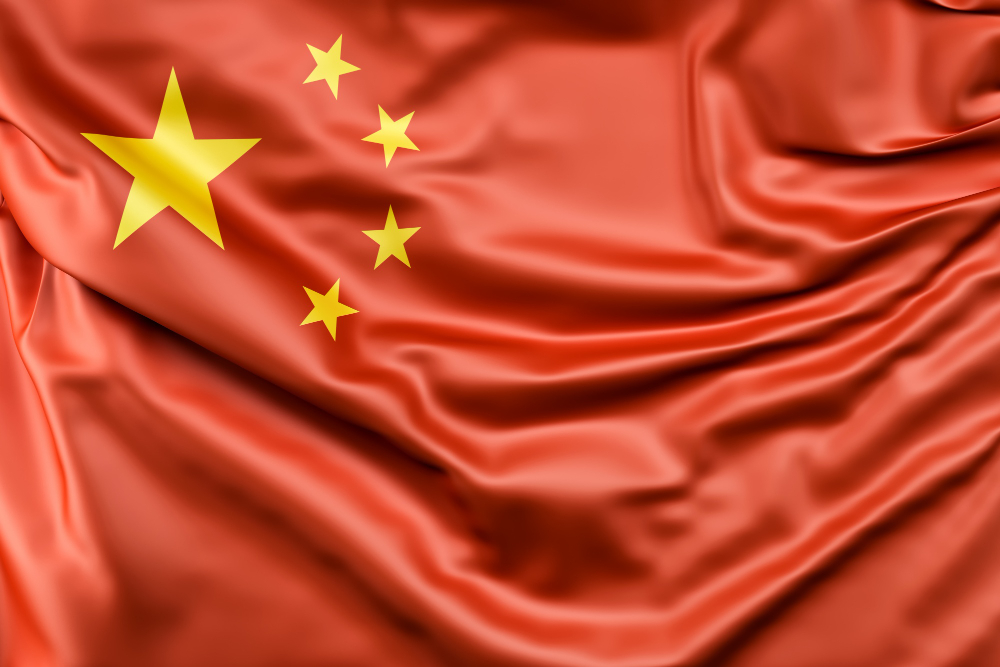
As Africa races to embrace artificial intelligence for economic growth and development, experts and Western tech leaders are sounding alarms about the rapid rise of Chinese AI models, particularly from startup DeepSeek, which are capturing significant market share in several countries. A recent Microsoft report highlights how affordability and accessibility are driving adoption, but critics warn this trend could extend Chinese geopolitical influence, raise data privacy risks, and undermine local sovereignty.
According to Microsoft’s AI Economy Institute report released earlier this month, DeepSeek a Chinese open-source AI platform launched in 2023 has surged in emerging markets underserved by pricier Western alternatives like OpenAI’s ChatGPT. In African nations such as Ethiopia, Zimbabwe, Uganda, and Niger, DeepSeek commands an estimated 11-14% market share for generative AI tools. In some analyses, its penetration reaches higher in specific contexts, with reports citing up to 18% in Ethiopia and 17-48% in Zimbabwe, often boosted by pre-installation on affordable Chinese-manufactured smartphones from companies like Huawei.
Microsoft President Brad Smith described the phenomenon as a stark illustration of global competition, noting that Chinese firms combine low-cost, open-source models with state subsidies covering hardware, data centers, and energy costs. This makes DeepSeek’s R1 reasoning model released in January 2025 and touted as rivaling OpenAI’s capabilities far more accessible, with no subscription fees or credit card requirements. In contrast, premium Western tools often cost $20 monthly, pricing them out for many users in price-sensitive regions.
“Open-source AI can function as a geopolitical instrument, extending Chinese influence in areas where Western platforms cannot easily operate,” the Microsoft report stated. DeepSeek’s dominance is strongest in China (89%) and allied or restricted markets like Russia (43%), Belarus (56%), Cuba (49%), Syria, and Iran, but its traction in Africa stands out as two to four times higher than in other regions relative to overall adoption levels.
The appeal is clear: DeepSeek lowers barriers to AI entry, enabling startups, developers, and everyday users in Africa to experiment with advanced tools without massive infrastructure investments. In Nigeria, Kenya, and South Africa, Chinese models like DeepSeek and Alibaba’s Qwen are already powering local innovations in fintech, agriculture, and language processing, often customized for African contexts and languages.
Yet, this momentum has sparked concerns. Analysts from think tanks like the Overseas Development Institute (ODI) and Brookings warn that heavy reliance on Chinese AI infrastructure including data centers, telecom networks, and models could grant Beijing outsized control over critical digital systems, data flows, and even public opinion. “Chinese investments bridge infrastructure gaps but may also undermine Africa’s sovereignty,” one ODI opinion piece argued, highlighting risks of political leverage, restricted collaboration with
Western partners, and potential for surveillance or content control embedded in authoritarian-leaning tech ecosystems.
Privacy and alignment issues loom large. Models trained primarily on non-African data may not fully account for local epidemiological, social, or cultural realities, potentially perpetuating inequities in sectors like healthcare. Broader critiques point to “digital neocolonialism,” where foreign dominance over data and platforms limits Africa’s ability to build independent AI capabilities. Some experts urge stronger governance, including ethical safeguards under the African Union’s Continental AI Strategy, to ensure adoption aligns with democratic values and local priorities.
Microsoft’s Smith emphasized the need for global investment in infrastructure, skills, and financing to prevent a widening AI divide. Without it, he cautioned, underserved regions risk systems that do not reflect their values or needs.
As Nigeria advances its own AI regulations and other African nations draft strategies, the debate intensifies: Is Chinese AI a boon for inclusive innovation, or a strategic foothold with long-term strings attached? For now, affordability wins users, but the warnings suggest the continent’s AI future hangs in a delicate balance between opportunity and influence.