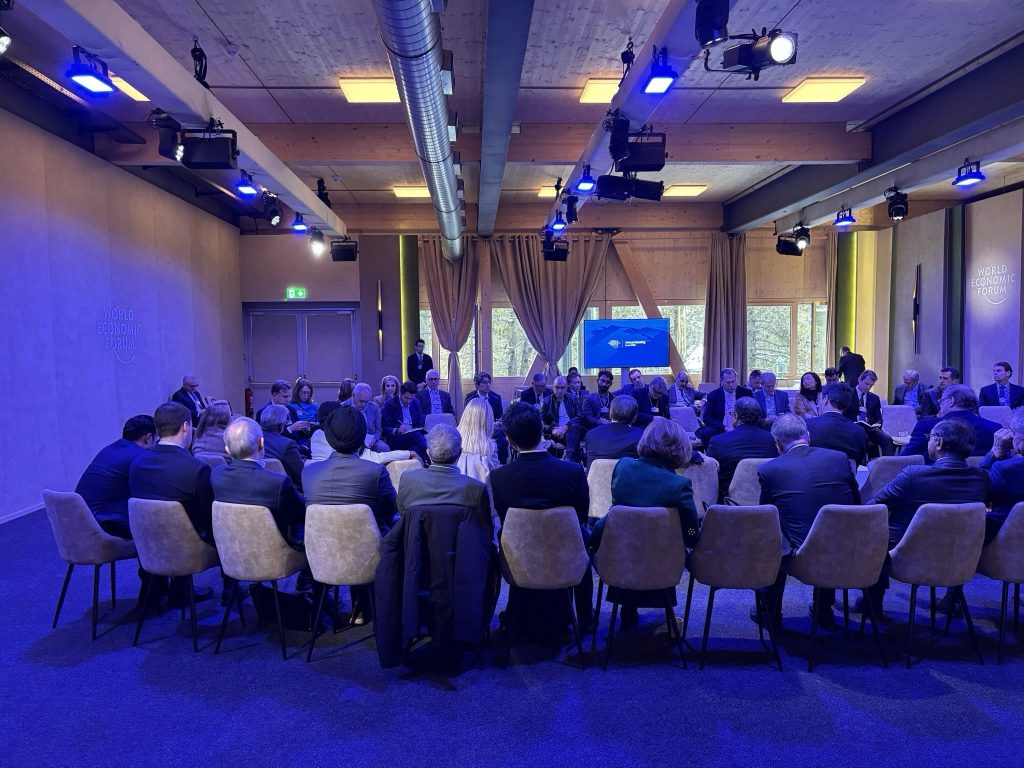
Rwanda Leads AI-Driven Healthcare Innovations at WEF26 Davos, Switzerland – January 23, 2026 – At the World Economic Forum’s 2026 Annual Meeting (WEF26), Rwanda emerged as a frontrunner in leveraging artificial intelligence to revolutionize healthcare, particularly in combating malaria and improving maternal care.
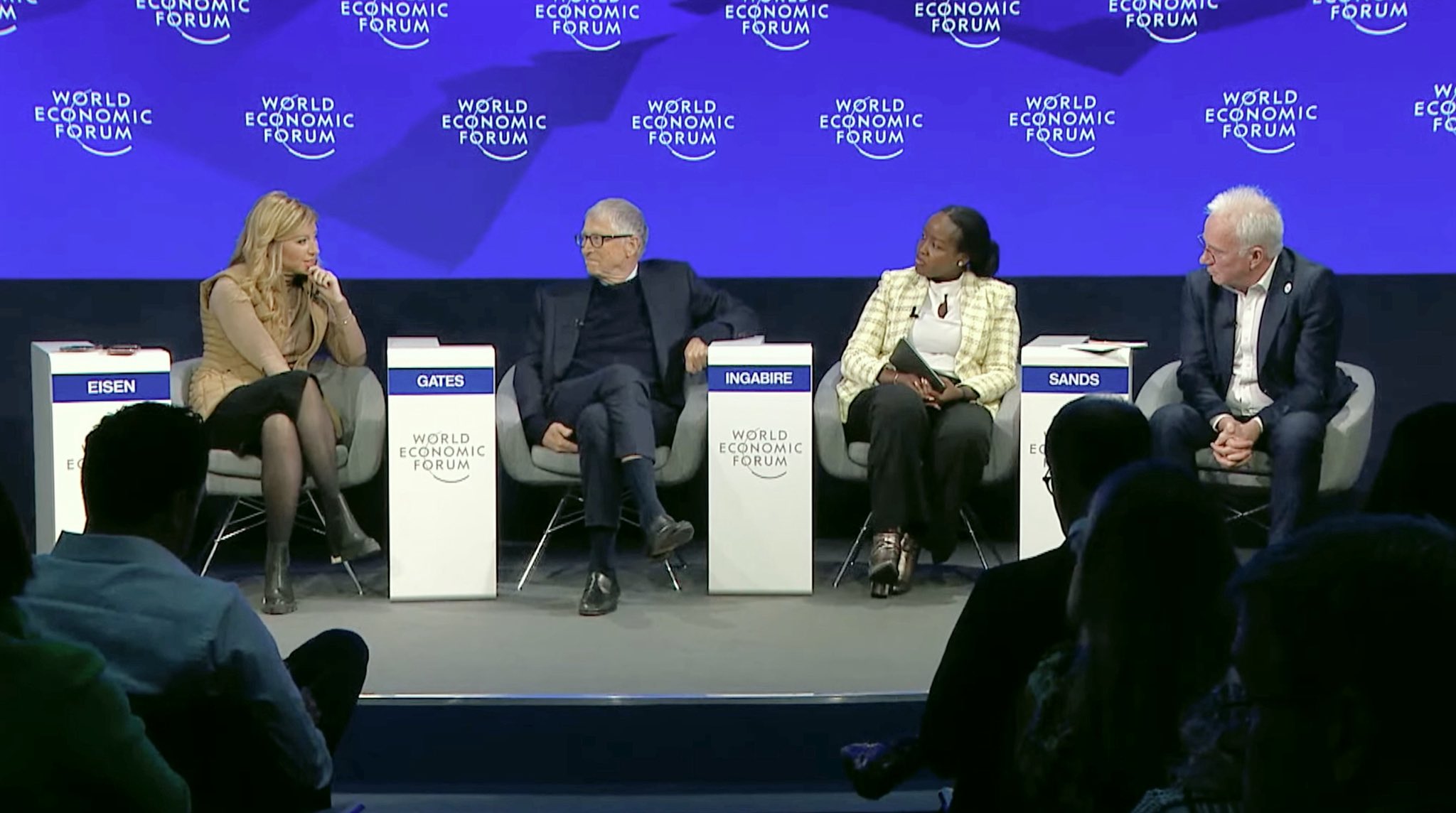
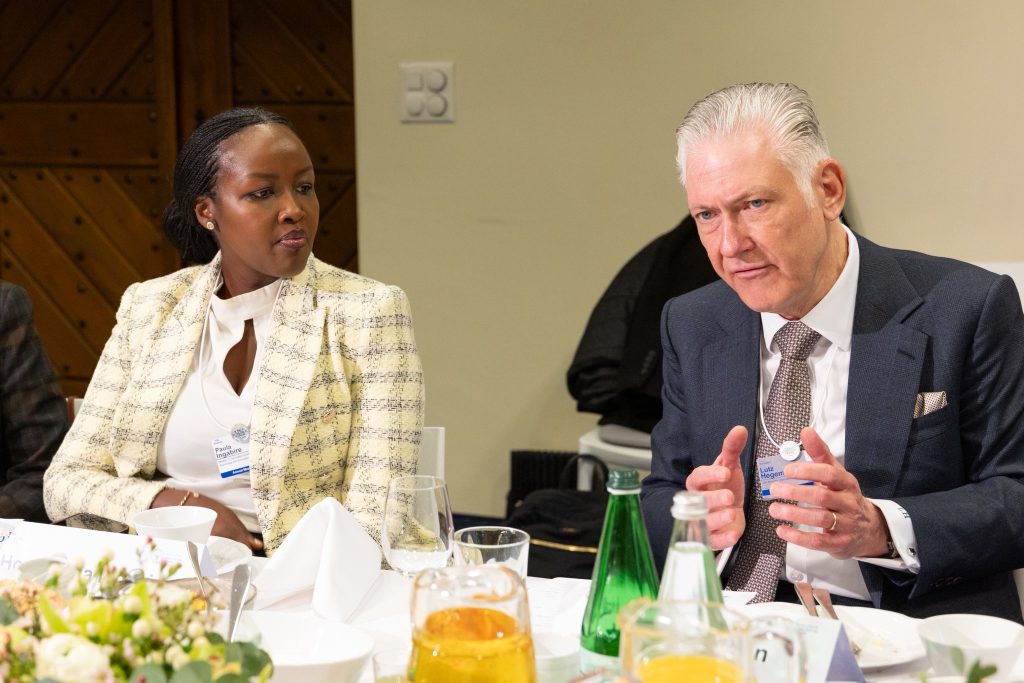
During a key panel session titled “At the Cusp of Healthcare for All,” Rwanda’s Minister of Information Communication Technology and Innovation, Paula Ingabire, showcased how AI and drones are addressing critical health challenges in resource-limited settings.
The panel, which included philanthropist Bill Gates and Peter Sands, Executive Director of The Global Fund to Fight AIDS, Tuberculosis and Malaria, focused on the transformative potential of emerging technologies in global health. Ingabire emphasized that “technology is central to everything we do in Rwanda,” highlighting AI’s role in predictive modeling and efficient resource allocation.
A standout example was Rwanda’s integration of AI with drones to tackle malaria. “We use a combination of both AI and drones… to figure out mosquito breeding sites across different communities using AI for prediction and modeling, and then using drones for spraying as well,” Ingabire explained. This strategy has led to significant reductions in malaria cases, with community health workers—who manage 70% of primary care annually—gaining access to AI-powered tools for enhanced diagnosis and outbreak prediction.AI is also optimizing Rwanda’s healthcare supply chain. By employing market intelligence algorithms, the country forecasts demand for essential commodities, minimizing stockouts and reducing procurement costs. In maternal health, AI-enabled ultrasounds have streamlined diagnostics, cutting unnecessary referrals and improving outcomes for mothers and newborns.
These innovations extend beyond health into agriculture and education, demonstrating AI’s versatility in driving sustainable development.Bill Gates praised such efforts, announcing a $50 million partnership between the Bill & Melinda Gates Foundation and OpenAI to pilot AI solutions in African healthcare systems, including Rwanda. “AI will play a key role in healthcare delivery, especially in developing countries where there are not enough doctors and clinicians,” Gates stated, noting how these tools can alleviate administrative burdens and optimize resources. Peter Sands reinforced the importance of scaling AI responsibly to bolster health systems against endemic diseases. He stressed equitable access to ensure innovations benefit underserved populations, aligning with WEF26’s broader themes of reducing global inequalities through technology.
Rwanda’s approach exemplifies how AI can address “pain points” in healthcare, from diagnostics to logistics, in low-resource environments. With malaria incidence dropping and maternal health metrics improving, the country positions itself as a model for AI adoption in the Global South. However, experts at the forum cautioned that ethical frameworks—covering data privacy, bias mitigation, and inclusive deployment—are essential to prevent widening disparities.
As WEF26 wraps up, these discussions signal a surge in global investments in AI for health. Partnerships like the Gates-OpenAI initiative underscore a collaborative future where technology bridges gaps in care. For nations like Rwanda, AI isn’t just a tool—it’s a cornerstone of national progress, turning data into life-saving interventions.