
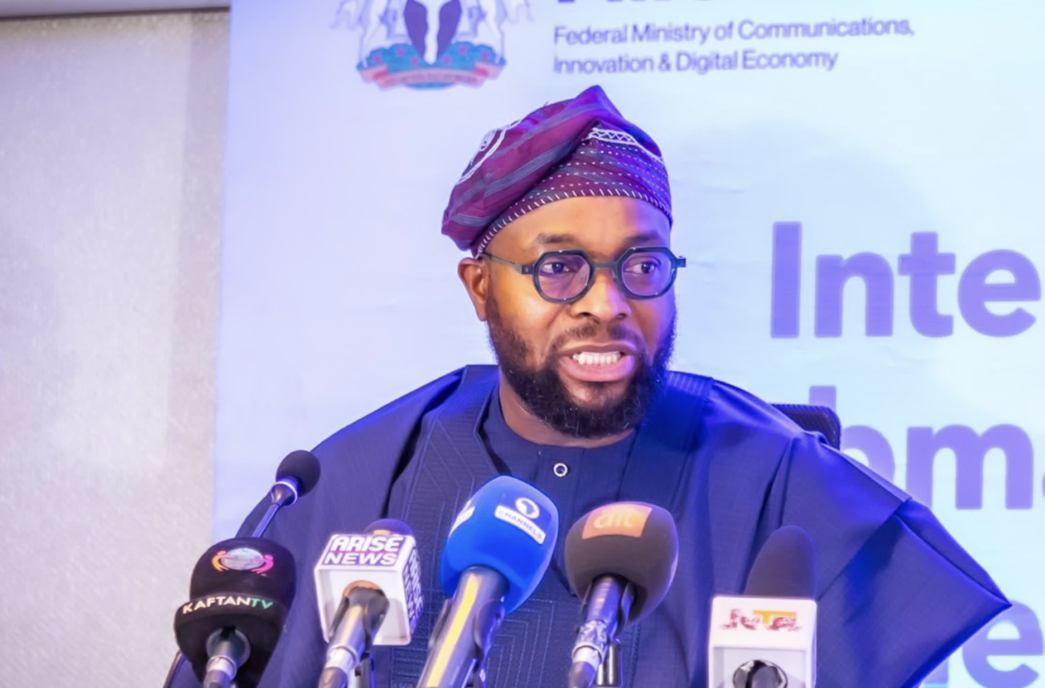
In a move poised to position Nigeria as a pioneer in artificial intelligence governance on the African continent, the National Assembly is on track to pass the National Digital Economy and E-Governance Bill by the end of March 2026. This comprehensive legislation aims to establish enforceable standards for AI usage, granting regulators sweeping oversight over data, algorithms, and digital platforms to ensure ethical deployment and mitigate risks in the rapidly evolving tech landscape.
The bill, which has been in development for over two years following Nigeria’s initial AI strategy in 2024, represents a significant step forward in balancing innovation with accountability under the proposed framework, the National Information Technology Development Agency (NITDA) and the Nigerian Communications Commission (NCC) would gain new powers to monitor and enforce compliance, including the authority to “switch off” unsafe AI systems. Non-compliance could result in hefty penalties, with fines reaching up to ₦10 million or 2% of a company’s annual gross revenue whichever is greater, serving as a strong deterrent against misuse.
“This isn’t just about restrictions; it’s about creating a safe space for growth,” noted tech entrepreneur Bello Fathiu Adesina in a recent post on X, highlighting the bill’s inclusion of “regulatory sandboxes.”These supervised environments would allow startups to test innovative AI technologies without immediate fear of penalties, fostering a collaborative approach between innovators and regulators. Adesina emphasized that such measures could help Nigeria emerge as a “global leader in ethical AI,” underscoring the bill’s potential to attract investment while protecting consumers.
The legislation comes amid growing concerns over the unchecked expansion of digital platforms in Nigeria’s booming tech sector, which has seen exponential growth in AI applications across finance, healthcare, and e-commerce. By filling a regulatory void, the bill aligns with global trends, such as the European Union’s AI Act, but tailors its approach to Nigeria’s unique needs, including data sovereignty and local talent development.
Experts predict that, if enacted, it could serve as a model for other African nations grappling with similar challenges in the digital economy.
Public consultations on the bill, held as recently as November 2025, have incorporated feedback from stakeholders, including tech firms, civil society, and legal experts. Oduronke Alex-Adedipe, a prominent legal expert, discussed the implications in a recent analysis, noting that businesses will need to “rethink” their AI strategies to comply with the new rules, potentially reshaping operations in the sector.
As Nigeria pushes forward, the bill’s passage could mark a pivotal moment in Africa’s AI narrative, promoting responsible innovation while addressing risks like bias, privacy breaches, and job displacement. With the continent’s young, tech-savvy population driving demand for digital solutions, this regulatory framework is seen as essential for sustainable progress. Lawmakers and industry leaders alike are optimistic, with final debates expected in the coming weeks leading up to the anticipated March approval.