
LAGOS, Nigeria — As Africa’s digital infrastructure boom accelerates, driven by surging demand for cloud computing and artificial intelligence, a critical challenge has emerged: the continent is running short of engineers trained to keep the lights on.
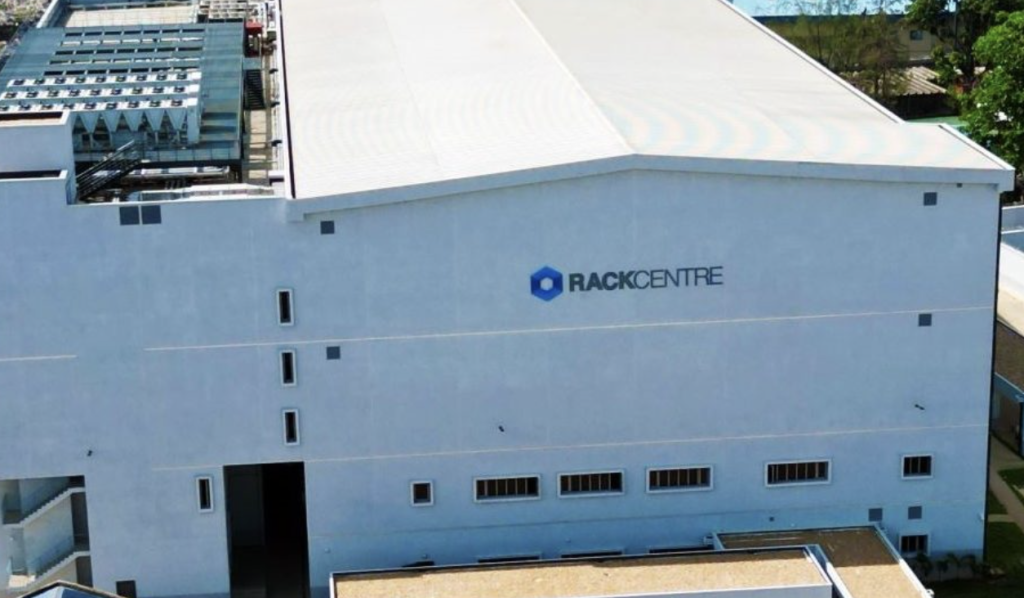
Rack Centre, the Lagos-based operator of Nigeria’s first Uptime Institute Tier III certified data centre, is stepping into the gap. The company announced this week that it will launch a comprehensive Data Centre Engineer Training Programme on April 30, 2026, targeting university students and recent engineering graduates.
The initiative addresses what industry insiders describe as a severe talent bottleneck. While new data centre capacity is being added rapidly across Nigeria and the broader region, the supply of skilled engineers—particularly those trained in power systems, cooling, and mission-critical operations—has lagged far behind.
“Specialised skills in managing resilient infrastructure under challenging grid conditions remain in short supply,” industry observers note, pointing to the unique operational demands of African markets where grid volatility is routine rather than exceptional.
A Fully Subsidised Path to Industry
The inaugural cohort will accept 15 to 20 participants for a four-to-five-month programme combining classroom instruction, professional certifications, and hands-on experience. Training costs, estimated at approximately $2,500 per participant, will be fully subsidised by Rack Centre—a recognition that aspiring engineers in emerging markets cannot reasonably shoulder such expenses themselves.
Participants will pursue two certification tracks, including one delivered in partnership with Schneider Electric’s training platform, followed by an advanced course. The programme culminates in a one-month internship inside Rack Centre’s live operational facility, where trainees will work alongside industry experts in what the company describes as “100% hands-on” delivery.
Critically, only a small fraction of graduates are expected to join Rack Centre’s own workforce. The majority will enter the broader Nigerian and regional job market, contributing to a growing pool of technical talent across the industry.
Applications remain open until May 11, 2026, targeting recent graduates—those who completed their degrees within the last two years—in engineering, computer science, IT, or related fields.
Context: Nigeria’s Expanding Digital Footprint
The training initiative comes as Nigeria’s data centre landscape undergoes rapid transformation. The country currently hosts around 21 operational facilities, with capacity expanding as both local and international operators pour capital into new projects. Recent developments include Rack Centre’s own 12MW AI-ready LGS2 facility and several hyperscale projects backed by significant investment.
Rack Centre itself has maintained 100% uptime since inception and operates as a key interconnect hub in West Africa, connecting to multiple undersea cables and supporting colocation, cloud, and high-density workloads from its carrier- and cloud-neutral platform.
But physical infrastructure alone won’t sustain growth. The Africa Data Centres Association’s 2026 Economic Report identifies retention of skilled staff as a top human resources concern for operators across Nigeria. At the same time, the report suggests that the unique operational demands of African environments—particularly grid instability—have fostered a type of resilience expertise that could position local engineers competitively on the global stage.
Ayotunde Coker, Rack Centre’s Managing Director, has previously emphasised the company’s commitment to raising quality standards in the Nigerian market. The company’s pioneering Tier III certification influenced regulatory expectations for critical infrastructure, including banking systems.
Building the Foundation for Digital Sovereignty
The training programme aligns with Rack Centre’s broader positioning as a leader in West Africa’s digital infrastructure ecosystem. By investing in talent development rather than solely expanding physical capacity, the company is betting on sustainable industry growth—and reducing long-term reliance on imported expertise.
The initiative also echoes earlier community-focused efforts by Rack Centre, including skills training for local artisans during facility expansions.
For Nigeria, which aspires to cement its role as a digital hub for West Africa and the wider continent, closing the skills gap in data centre operations is increasingly viewed as infrastructure development in its own right—on par with pouring concrete and installing generators.
As cloud adoption accelerates and AI workloads demand ever-higher reliability and density, programmes like this could help ensure that local talent powers the continent’s digital future rather than watching it unfold from the sidelines.
Applications and further details are available on Rack Centre’s website.