
A continent-wide push for AI training emerges as organizations confront the harsh realities of skills shortages threatening innovation and economic growth
As artificial intelligence rapidly transforms the global economy, African organizations face a critical juncture. According to a recent SAP report titled “Africa’s AI Skills Readiness Revealed,” two-thirds of companies across the continent have already launched career development initiatives focused on AI specialization, recognizing that traditional IT expertise alone no longer suffices in an AI-driven marketplace.
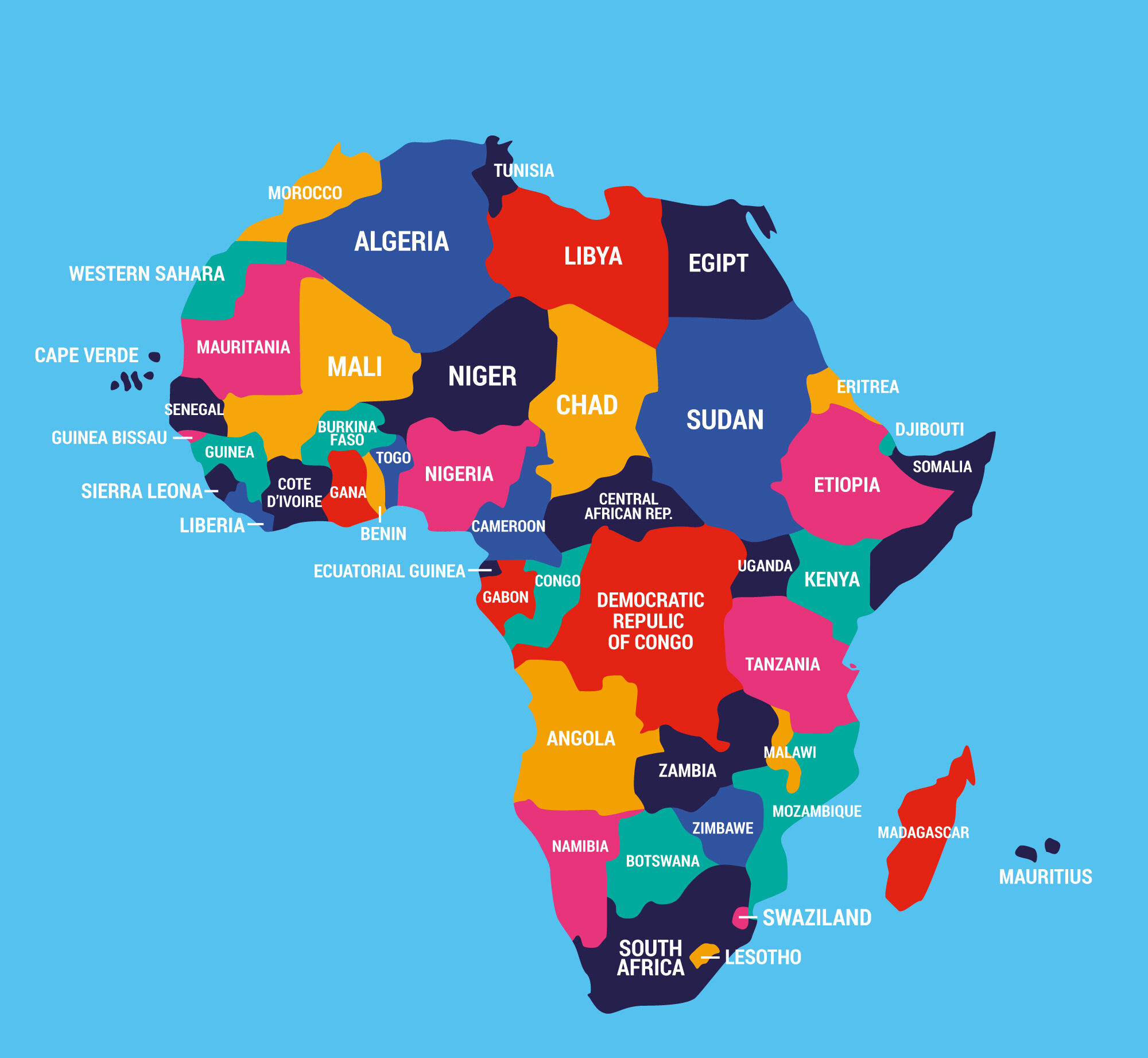
The findings, drawn from research conducted among mid-size and enterprise companies in Kenya, Nigeria, and South Africa—the continent’s three primary AI development hubs—paint a picture of both urgency and action. Every organization surveyed anticipates increased demand for AI skills in 2025, with nearly half expecting a significant surge that underscores the accelerating pace of digital transformation.
The Economic Stakes
The potential rewards for getting this right are substantial. Estimates suggest AI could contribute as much as $1.5 trillion to Africa’s economy by 2030 if the continent captures 10% of the global AI market, transforming skills development from an HR concern into a macroeconomic imperative.
Yet the consequences of inaction are already materializing. Organizations report that skills shortages have led to failed innovation initiatives, delayed projects, mounting pressure on existing teams, and missed opportunities to pursue new client work. About 38% of respondents identified reskilling employees as a top skills challenge in 2025, while nearly half cited upskilling as a comparable concern.
“There is a near-universal need for AI-related skills among African companies this year,” said Genevieve Koolen, human resources director at SAP Africa, highlighting how quickly AI has moved to the center of workforce planning across the region.
The Skills Development Paradox
Despite the recognized urgency, a troubling paradox has emerged. While 94% of organizations now provide training at least monthly—up from 74% in previous surveys—formal budget commitments are declining. No organization surveyed in 2023 allocated more than 10% of their HR or IT budgets to skills development, down from the previous year when roughly a quarter of companies spent more than 15%.
This disconnect between training intensity and sustained investment threatens to undermine the very transformation African companies seek. Skills-related competencies remain in high demand, with 85% of organizations prioritizing AI development skills and 83% emphasizing generative AI capabilities. Meanwhile, cybersecurity has emerged as the most sought-after technical skill, with 86% of companies identifying it as important—a significant jump from 63% in earlier research.
Beyond Traditional IT Training
The shift in hiring priorities reflects the depth of change underway. In 2023, technical skills and industry-specific expertise topped employers’ wish lists. Today, affordability has become the primary candidate attribute, with adaptability running a close second. This evolution signals that organizations understand they cannot simply hire their way out of the skills gap—they must transform their existing workforces.
Two-thirds of organizations said they prioritize helping employees understand why reskilling is necessary, indicating that change management and workforce mindset have become as critical as formal training programs.
Bridging the Rural-Urban Divide
While corporate Africa grapples with AI readiness, broader calls for technical and vocational education and training (TVET) programs to integrate AI capabilities point to a parallel challenge. With over 80% of workers in most African countries employed in the informal sector—often in agriculture or urban informal economic activities characterized by low and unpredictable earnings—the skills gap extends far beyond corporate offices.
Countries like Rwanda, Ethiopia, and Morocco are pioneering approaches to make TVET systems responsive to informal economy needs. Rwanda’s Skills Development Fund has benefited more than 6,000 young people acquiring technical and vocational competencies. Morocco addresses school dropout skill needs through its Department of Eradication of Illiteracy and Non-Formal Education, integrating children excluded from formal systems into vocational pathways that promote youth employment.
The Federation of Family Farm Schools in Cameroon’s Far North offers another model, providing alternative and informal training to young people in a rural region affected by poverty and armed violence. Such initiatives demonstrate how TVET can be reimagined to meet local economies’ specific needs, particularly in agricultural regions where traditional formal education remains poorly developed.
The 2026 Imperative
As 2026 unfolds, experts warn that Africa’s window for catching up is narrowing. With an estimated 2,400 AI-focused companies now operating across the continent—including 726 in South Africa, 456 in Nigeria, and 204 in Kenya—the ecosystem exists for growth. However, nine out of ten African businesses report AI expertise shortages that constrain their ability to capitalize on opportunities.
Koolen outlined several strategies for addressing the crisis: preparing for imminent shortages through a combination of long-term reskilling and immediate short-term measures, prioritizing training budgets to prevent stalled digital transformation, and forming stronger public-private partnerships and vendor collaborations to accelerate skills availability.
The recommendation for closer engagement between organizations and technology providers reflects a recognition that large technology companies, with their global workforces and strong employer brands, can play a valuable role in augmenting local skills bases and supporting AI-led initiatives.
A Call for Integrated Action
The convergence of corporate AI upskilling demands and broader TVET reform efforts presents both challenge and opportunity. For Africa to avoid falling behind globally, initiatives must bridge the formal-informal divide, ensuring that rural and informal economies are not left behind as urban centers forge ahead with AI adoption.
Educational institutions, policymakers, and international development agencies must ensure that any intervention includes capacity-building components. The current trajectory—where training activity increases even as budgets shrink—is unsustainable. Organizations that fail to invest adequately in skills development risk finding themselves unable to leverage emerging technologies, trailing competitors who recognize that in the age of AI, human capital development is not optional but essential for long-term resilience and growth.
As Africa’s youth population continues to swell—the fastest-growing on any continent—the continent faces a defining choice: invest decisively in AI and technical skills development across all sectors and regions, or risk watching economic opportunities flow elsewhere while millions of young Africans remain unprepared for the jobs of tomorrow.