Executive Summary
On January 15, 2026, Wikipedia celebrated its 25th anniversary by announcing major AI partnerships with tech giants including Amazon, Meta, Microsoft, Mistral AI, and Perplexity. These deals represent a strategic evolution for the Wikimedia Foundation, positioning human-curated knowledge as a critical resource in the AI era while ensuring financial sustainability through its commercial product, Wikimedia Enterprise.
Background: Wikipedia at 25
Key Statistics:
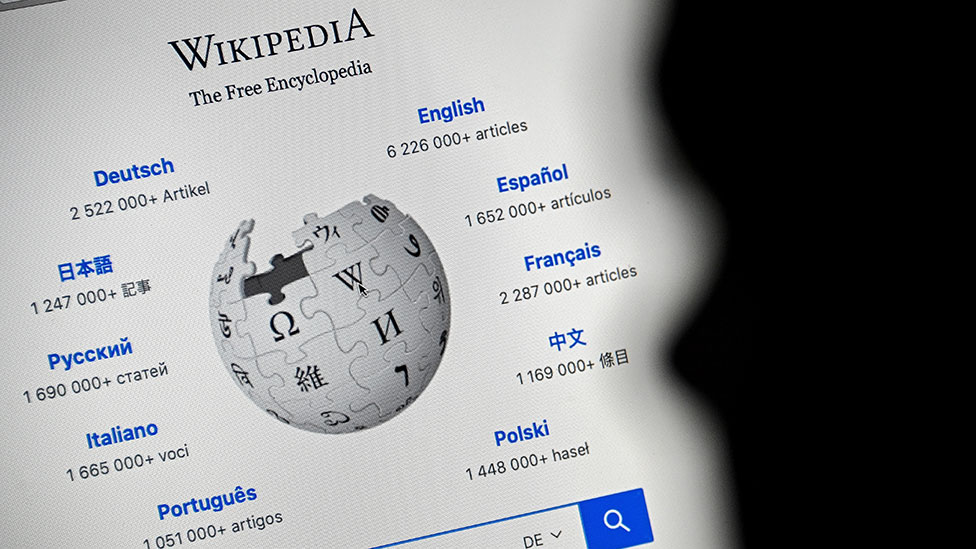
- Over 65 million articles in more than 300 languages
- Nearly 15 billion monthly page views
- Among the top 10 most-visited websites globally
- The only top-10 site run by a nonprofit organization
- Approximately 250,000 volunteer editors worldwide
- More than 125 million people have edited at least one entry
- Estimated 4.4 billion people accessed the site in 2024
Operational Infrastructure:
- Seven operational data centers globally (most recent in São Paulo, Brazil)
- Total foundation assets exceeding $310 million
- Endowment surpassing $100 million
The AI Partnership Announcement
New Partners Announced (January 2026)
- Amazon – Likely for Alexa knowledge enhancement and AWS AI services
- Meta – For AI assistants across Facebook, Instagram, and WhatsApp
- Microsoft – Supporting Copilot, Bing, and Azure AI offerings
- Mistral AI – European open-weight AI model competitor
- Perplexity AI – Answer-engine startup focusing on source citation
Previously Announced Partners
- Google (2022) – First Wikimedia Enterprise customer
- Ecosia – Sustainable search engine
- Pleias – Open, ethical AI training
- ProRata – Digital content economy
- Nomic AI – Multilingual Wikipedia visualizations
- Reef Media – Fact-checking and source verification
Wikimedia Enterprise: The Commercial Platform
What It Is
Wikimedia Enterprise is a commercial API product launched in October 2021, designed for large-scale reusers and distributors of Wikimedia content. It provides enterprise-grade access to Wikipedia and other Wikimedia projects with enhanced speed, reliability, and support.
Key Features
- On-demand API – Latest version of articles
- Snapshot API – Hourly-updated downloadable dumps by language
- Real-time API – Streams edits as they happen
- Parsed Tables – Complex HTML tables converted to clean JSON format
- Structured Citations – References linked directly to specific text sections
- Quality Scores – Enhanced content verification capabilities
Pricing Structure
- Essentials – Free (includes twice-monthly snapshots and 5,000 monthly on-demand requests)
- Plus – $500/month (daily updates, priority support)
- Premium – $2,500/month (all Plus features plus daily event streams)
- Custom Solutions – Available for specific enterprise requirements
Financial Performance (Fiscal Year 2024-2025)
- Revenue: $8.3 million (148% increase from previous year)
- Expenses: $4.4 million
- Profit: Now fully profitable and net-positive contributor
- Total profit since inception (Jan 2022-June 2025): $646,000
- Percentage of Foundation revenue: 4% (with 30% cap to maintain donor independence)
The Strategic Rationale
Why Tech Companies Need Wikipedia
- Training Data Quality
- Wikipedia provides one of the highest-quality datasets for training Large Language Models
- Human-curated and fact-checked content
- Multilingual coverage with consistent structure
- Continuous updates and corrections
- Infrastructure Burden
- AI companies’ bot scraping has created significant server strain
- Multimedia bandwidth demand increased 50% from January 2024
- At least 65% of most resource-consuming traffic comes from bots
- Human traffic reportedly fell 8% as AI usage increased
- Attribution and Trust
- Wikimedia Enterprise enables proper source attribution
- Helps maintain transparency in AI-generated responses
- Addresses growing concerns about AI reliability and verification
Why Wikimedia Needs These Partnerships
- Financial Sustainability
- Diversifies revenue streams beyond small donations
- Covers increased infrastructure costs from AI scraping
- Supports the Foundation’s $310 million operational budget
- Revenue capped at 30% to maintain independence
- Influence Over AI Development
- Ensures Wikipedia content is used responsibly
- Maintains seat at the table as AI shapes information access
- Protects volunteer contributors’ work and attribution
- Future-Proofing the Mission
- Adapts to changing digital ecosystem
- Ensures continued relevance in AI-dominated information landscape
- Supports the 2030 Movement Strategy goals
Key Stakeholder Perspectives
Jimmy Wales (Wikipedia Co-founder)
Wales expressed support for AI training on Wikipedia content, stating he’s pleased that AI models train on human-curated data. He emphasized the importance of Wikipedia’s curation quality compared to other sources, noting he wouldn’t want an AI trained solely on platforms like X (formerly Twitter), calling it potentially “a very angry AI.”
On partnerships: “You should probably chip in and pay for your fair share of the cost that you’re putting on us.”
On Grokipedia (Elon Musk’s competing project): Wales doesn’t consider it a real threat because large language models “aren’t good enough to write really quality reference material” and often produce rambling, nonsensical content, especially on obscure topics.
Lane Becker (President, Wikimedia Enterprise)
“Wikipedia is a critical component of these tech companies’ work that they need to figure out how to support financially. It took us a little while to understand the right set of features and functionality to offer if we’re going to move these companies from our free platform to a commercial platform, but all our Big Tech partners really see the need for them to commit to sustaining Wikipedia’s work.”
Tim Frank (Corporate Vice President, Microsoft)
“Access to high-quality, trustworthy information is at the heart of how we think about the future of AI at Microsoft. Our partnership with Wikimedia helps ensure that people, and the agents working on their behalf, can draw on knowledge they understand and trust. Together, we’re helping create a sustainable content ecosystem for the AI internet, where contributors are valued, communities are respected, and responsible AI expands opportunity for everyone.”
Selena Deckelmann (Chief Product and Technology Officer, Wikimedia Foundation)
“Wikipedia shows that knowledge is human, and knowledge needs humans. Especially now, in the age of AI, we need the human-powered knowledge of Wikipedia more than ever.”
Maryana Iskander (Outgoing CEO, Wikimedia Foundation)
“Wikipedia is a digital wonder of the world, unlike anything else. It has overcome countless challenges and changes in its time, thanks to the people behind it and their unwavering commitment to sharing free, reliable knowledge with the world.”
Technical and Operational Details
How Wikimedia Enterprise Works
Previously, AI companies relied on:
- Web scraping of public Wikipedia pages
- Limited API access with rate restrictions
- Data dumps (less timely and harder to process)
Now, Wikimedia Enterprise provides:
- High-volume, high-speed API access
- Structured, machine-readable formats
- Real-time or near-real-time updates
- Service Level Agreements (SLAs)
- Dedicated technical support
- Enhanced attribution tracking
Data Access Comparison
Free Public Access:
- Suitable for individual users, researchers, small projects
- Rate-limited APIs
- Periodic data dumps
- No guaranteed uptime
- Community support only
Wikimedia Enterprise:
- Designed for commercial-scale operations
- Unlimited or high-volume access
- Multiple delivery formats
- Guaranteed service levels
- Priority support
- Enhanced features (parsed tables, structured citations)
Challenges and Controversies
Political Criticism
Wikipedia has faced criticism from political conservatives, who have dubbed it “Wokepedia” and alleged left-wing bias. U.S. Republican lawmakers are investigating alleged manipulation in Wikipedia’s editing process, claiming it could inject bias into both the platform and AI systems that rely on it.
Wales’s Response: He maintains that Wikipedia’s transparent editing process and community governance model remain the best approach to handling disagreements and maintaining neutrality.
The “Tragedy of the Commons” Debate
Critics argue that Wikipedia represents a new digital tragedy of the commons, where volunteered knowledge becomes raw material for profit-making systems that may produce unreliable content at scale. The concern is that:
- AI companies profit from freely contributed knowledge
- Generated content may lack Wikipedia’s quality controls
- Original volunteers receive no direct compensation
- Users may increasingly interact with AI summaries rather than Wikipedia itself
Balancing Free Access and Sustainability
The fundamental tension: Wikipedia’s content is freely licensed and must remain so, but commercial entities using it at massive scale create costs. The Enterprise model attempts to resolve this by:
- Keeping all content freely available
- Charging only for enhanced access infrastructure
- Requiring partners to provide proper attribution
- Maintaining donor-funded majority revenue (70% minimum)
Content Quality vs. AI Competition
Wales and others argue that LLM-generated content often “regurgitates Wikipedia” but with lower quality, especially on obscure topics. The risk is that users may accept lower-quality AI summaries for convenience, potentially undermining Wikipedia’s traffic and volunteer motivation.
Global and Social Impact
Knowledge Equity
The partnerships aim to support Wikipedia’s 2030 Movement Strategy, particularly:
- Knowledge Equity: Closing knowledge gaps, especially for underrepresented communities and languages
- Knowledge as a Service: Making Wikimedia content easier to discover and use
Regional Perspectives
Bobby Shabangu (Wikimedia Foundation Board Trustee, South Africa): “As we look to the next billion people who will come online, Africa will have a critical role to play in ensuring that Wikipedia’s knowledge, and by extension the wider internet, reflects the richness of the continent and its people.”
Volunteer Motivation
Robert Sim (2025 Wikimedian of the Year, Singapore): “Knowledge should belong to everyone. This is why I started editing Wikipedia over 20 years ago and why I continue today. My hope for Wikipedia is simple: that it continues to exist. For that to be possible, Wikipedia needs people.”
Future Outlook
Opportunities
- Expanded AI Integration: AI could help non-native speakers contribute more effectively through grammar assistance
- Improved Global Coverage: Enterprise revenue supports infrastructure for underserved regions
- Enhanced Verification Tools: Structured data helps combat misinformation
- Sustainable Model: Diversified funding reduces dependence on donation campaigns
Risks
- Dependency on Tech Giants: Over-reliance on major AI companies for revenue
- Mission Drift: Balancing commercial relationships with nonprofit values
- Volunteer Disengagement: Contributors may feel exploited if commercial value overshadows mission
- Competition from AI: Generated content could reduce direct Wikipedia usage
Near-Term Goals (2025-26)
- Revenue growth of at least 10% year-over-year
- Particular emphasis on AI partnerships
- Supporting “responsible infrastructure strategy”
- Cohesive overall developer experience
- Integration of additional structured data capabilities
Additional Anniversary Initiatives
Beyond the AI partnerships, Wikipedia’s 25th anniversary included:
- Documentary Series: Celebrating volunteers who make Wikipedia possible
- Digital Time Capsule: Capturing the state of Wikipedia at 25
- Infrastructure Upgrades: Continued investment in global server capacity
- Experimental Features: New games and short-form video experiments
- Leadership Transition: Former U.S. Ambassador Bernadette Meehan taking over as CEO
Conclusion
Wikipedia’s 25th anniversary AI partnerships represent a pragmatic response to the challenges and opportunities of the AI era. By formalizing relationships with major tech companies through Wikimedia Enterprise, the Foundation aims to:
- Ensure financial sustainability in an environment where AI scraping strains infrastructure
- Maintain influence over how Wikipedia’s content is used in AI systems
- Preserve the core mission of free knowledge while adapting to new realities
- Support the global volunteer community that makes Wikipedia possible
The success of this strategy will depend on maintaining the delicate balance between commercial relationships and nonprofit independence, ensuring volunteers remain motivated, and preserving Wikipedia’s unique role as a human-curated knowledge commons in an increasingly AI-mediated information landscape.
As Jimmy Wales noted, Wikipedia continues to demonstrate that “knowledge is human, and knowledge needs humans”—a message that resonates even more strongly as artificial intelligence reshapes how we access and interact with information.
Report Compiled: January 17, 2026
Sources: Multiple news outlets including TechCrunch, Reuters, Associated Press, Wikimedia Foundation official announcements, and financial reports