
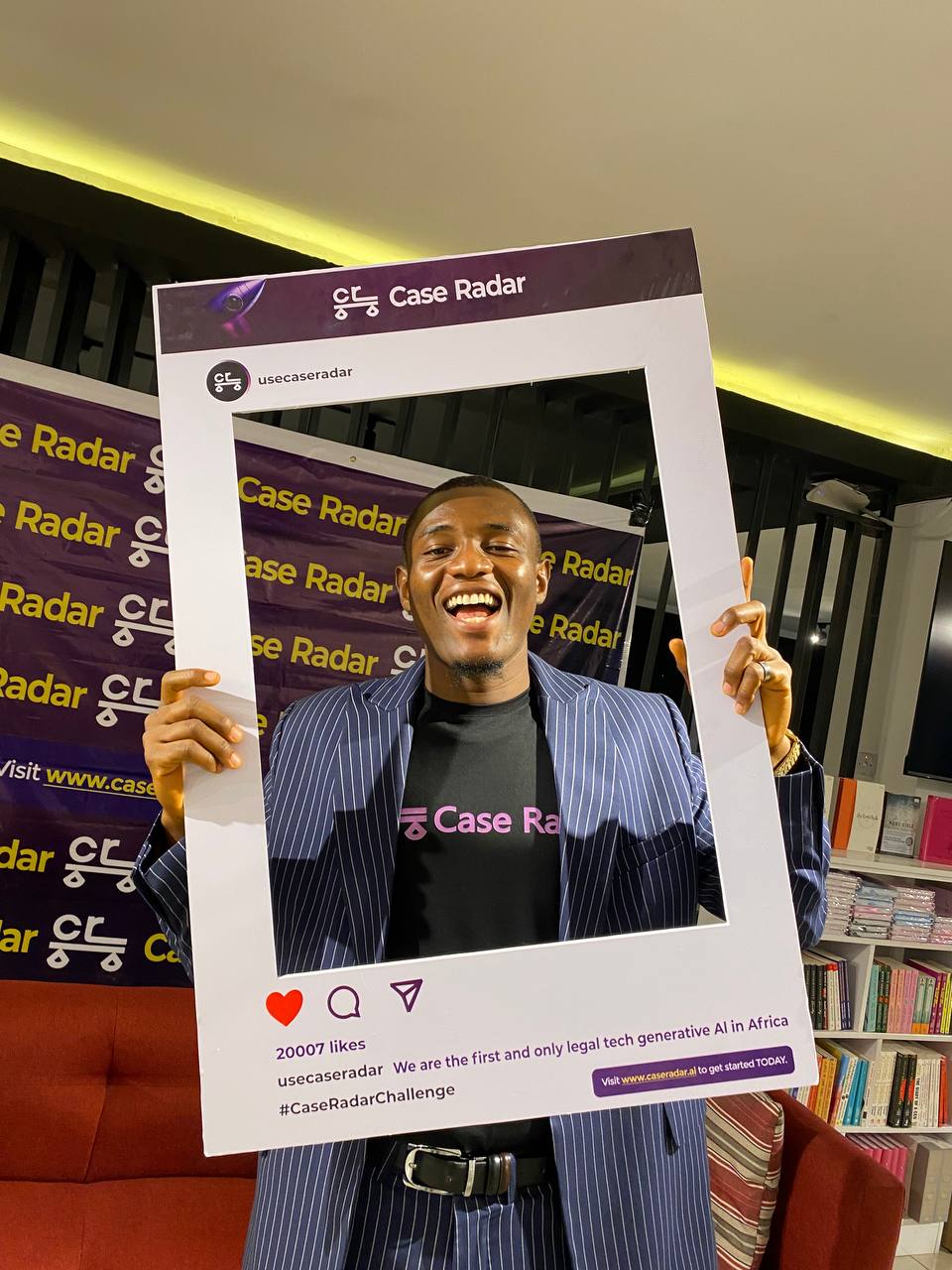
In the bustling legal corridors of Lagos, Port Harcourt, and Abuja, a quiet revolution is taking place. Case Radar, an innovative AI-powered legal assistant, is transforming how Nigerian lawyers access, research, and utilize legal precedents. With over 1,400 active users and an impressive database of 10,000 previously undigitized court documents, this homegrown platform is addressing one of the most persistent challenges in Nigeria’s legal system: accessibility to comprehensive legal research.
The Challenge of Analog Legal Research
For decades, Nigerian lawyers have grappled with a fundamental problem that has hindered legal practice efficiency. Critical court documents, precedents, and legal rulings were scattered across physical archives in various courts nationwide. These documents, many dating back several decades, existed only in paper form, making comprehensive legal research a time-consuming and often frustrating endeavor.
Barrister Adunni Okafor, a property law specialist in Lagos, exemplifies this challenge. “I would spend entire days searching through dusty archives for a single precedent,” she recalls. “Important cases that could determine the outcome of my client’s dispute were buried in filing cabinets, accessible only through manual searching.” This scenario was replicated across law firms, courts, and legal aid organizations throughout Nigeria.
Building Nigeria’s First Comprehensive Legal AI
The solution came from an unexpected source: a collaboration between legal expertise and cutting-edge technology. Case Radar emerged from the recognition that Nigeria’s legal system needed a digital transformation that went beyond simple document storage. The platform’s founders understood that effective legal research required not just digitization, but intelligent analysis and contextual understanding of Nigerian jurisprudence.
The digitization process itself represented a monumental undertaking. Each of the 10,000 documents required careful handling, scanning, and digital processing. Many documents were handwritten, others bore official stamps and seals that complicated optical character recognition, and some were in various Nigerian languages beyond English. The team developed specialized processes to handle these challenges, ensuring that crucial legal information wasn’t lost in translation.
AI Tailored for Nigerian Legal Context
What distinguishes Case Radar from generic legal research tools is its deep understanding of Nigeria’s unique legal framework. The AI system was specifically trained on Nigerian case law, understanding the hierarchical structure of the country’s courts, the relationship between federal and state jurisdictions, and the complex interplay between customary law, statutory law, and constitutional provisions.
The platform demonstrates its Nigerian focus through practical applications. When a lawyer in Port Harcourt searches for oil spill compensation cases, Case Radar doesn’t return generic environmental law precedents. Instead, it provides specifically relevant cases dealing with Nigeria’s oil and gas regulatory framework, drawing from federal court decisions, state court rulings, and regulatory precedents from agencies like the Nigerian National Petroleum Corporation.
Impact on Legal Practice
The platform’s 1,400+ user base represents a significant portion of Nigeria’s active legal practitioners, and their engagement patterns reveal the transformative impact of accessible legal research. Users report dramatic reductions in research time, with complex case law searches that previously took days now completed in minutes.
Young lawyers have particularly benefited from this democratization of legal knowledge. Previously, comprehensive legal research was often the privilege of large law firms with extensive libraries and research departments. Case Radar has leveled this playing field, giving solo practitioners and small firms access to the same comprehensive database used by major legal practices.
Legal aid organizations have also leveraged the platform to improve service delivery to underserved communities. With faster access to relevant precedents, these organizations can build stronger cases for their clients while managing larger caseloads more efficiently.
Beyond Document Storage: Intelligent Legal Analysis
Case Radar’s AI capabilities extend far beyond simple document retrieval. The system can identify legal principles, trace the evolution of jurisprudence on specific topics, and highlight conflicting precedents that require careful legal analysis. This intelligent approach to legal research helps lawyers not just find relevant cases, but understand their broader legal context.
The platform also demonstrates cultural sensitivity in its design. Understanding that legal concepts might be more naturally expressed in local languages, Case Radar can process queries in multiple Nigerian languages, recognizing that a land dispute might be more accurately described in Yoruba as “ija ile” or in Hausa as “rigimar kasa.”
Implications for Nigeria’s Legal System
The success of Case Radar points to broader possibilities for technology-driven improvements in Nigeria’s justice system. By making legal precedents more accessible, the platform contributes to more consistent judicial decision-making and helps ensure that similar cases receive similar treatment across different courts.
The comprehensive database also serves as a valuable resource for legal education, giving law students access to real cases and practical applications of legal principles. This educational component helps prepare the next generation of Nigerian lawyers for more effective practice.
Looking Forward
As Case Radar continues to expand its document database and user base, it represents more than just a successful legal technology platform. It demonstrates how locally-developed solutions can address specific challenges within Nigeria’s professional landscape. The platform’s success suggests that similar AI-driven approaches could be applied to other sectors of Nigeria’s economy, from healthcare to education.
The transformation of legal research in Nigeria through Case Radar illustrates the potential for technology to enhance traditional professional practices while respecting local context and needs. As the platform continues to grow, it stands as a testament to the power of homegrown innovation in addressing uniquely Nigerian challenges.
For Nigeria’s legal profession, Case Radar represents not just a tool for more efficient research, but a foundation for a more accessible, equitable, and effective justice system. With over 1,400 users already experiencing these benefits, the platform is positioning itself as an essential infrastructure for Nigeria’s legal future.



Your article helped me a lot, is there any more related content? Thanks!