French telecommunications giant Orange has announced a major expansion of its artificial intelligence and digital inclusion strategy across Africa, unveiling plans to develop local language AI models integrated into its Max it super app as part of a broader commitment to connectivity, youth empowerment, and entrepreneurship on the continent.
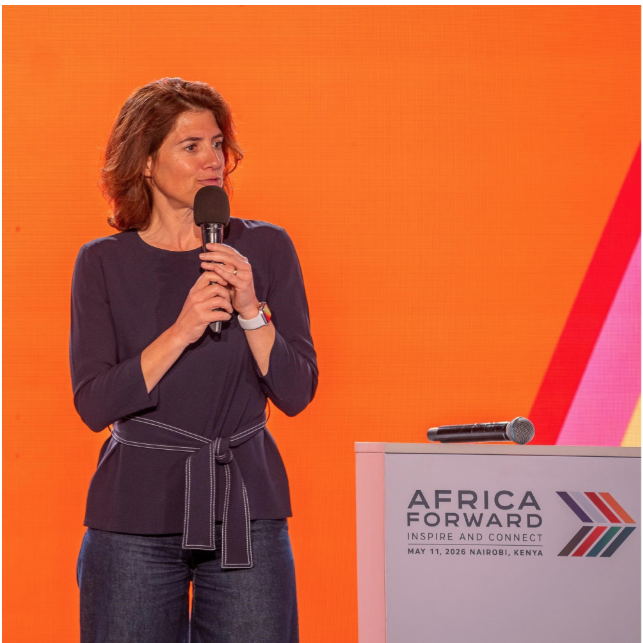
The announcement was made during the Africa Forward Summit held in Nairobi, a high-level gathering bringing together African leaders, global technology stakeholders, and development partners to discuss innovation-driven growth and partnerships between Africa and France.
At the center of Orange’s strategy is the ambition to make AI more inclusive for African users by supporting local languages that are often underrepresented in global AI systems. The company said the new AI models will be integrated into its Max it platform — a rapidly growing super app used for financial services, e-commerce, communication, and digital lifestyle services across Africa.
According to Orange, the initiative aims to ensure that African populations can access AI services in languages they use daily, helping bridge the continent’s digital and linguistic divide. The company noted that many current AI systems are heavily trained on English and other dominant global languages, leaving millions of African users underserved.
Orange previously revealed plans to work with AI firms including OpenAI and Meta to fine-tune open-source AI models such as Whisper and Llama for African regional languages. Initial efforts focused on West African languages including Wolof and Pulaar, with longer-term ambitions to expand support across its 18-country African footprint.
The telecom operator says the broader goal is not only customer support and digital services, but also improving access to healthcare, education, and public services through AI systems that understand local contexts and languages. Orange also stated that some of the language models would be made available for non-commercial use to support public-interest innovation across Africa.
Beyond artificial intelligence, Orange announced several long-term commitments tied to Africa’s digital transformation agenda. The company said it plans to train more than three million young Africans by 2030 in areas such as AI, cybersecurity, cloud computing, and digital entrepreneurship through free certification programs.
To support this objective, Orange plans to expand its network of Orange Digital Centers from 50 to 100 locations across Africa and the Middle East, working alongside universities, local innovation hubs, and global learning platforms including Coursera.
The company also pledged to support more than 500 startups by 2030, focusing on sectors such as fintech, agriculture, education, healthcare, and e-commerce. Orange says the move is designed to stimulate job creation and strengthen Africa’s innovation ecosystem.
Connectivity infrastructure was another key pillar of the announcement. Orange reaffirmed its investments in submarine cables and terrestrial networks, including projects such as Djoliba, 2Africa, and Via Africa, aimed at improving internet access in underserved communities across the continent.
Speaking at the summit, Orange CEO Christel Heydemann said Africa’s future would be shaped by its young population, innovation capacity, and digital transformation efforts.
“Africa’s digital future is being built today,” she said, adding that Orange intends to remain a long-term partner in the continent’s technological development.
The announcement comes at a time when African governments and technology firms are increasingly prioritizing sovereign AI development, local language datasets, and inclusive digital ecosystems to ensure the continent is not left behind in the global AI race. Experts say language accessibility remains one of the biggest barriers to AI adoption in Africa, where thousands of local languages are spoken.
With its latest commitments, Orange is positioning itself not only as a telecommunications provider, but also as a major player in Africa’s emerging AI and digital economy landscape.