
Across Africa, governments, technology experts, and civil society groups are intensifying calls for comprehensive artificial intelligence (AI) policies to guide the development and use of the fast-growing technology on the continent.
The renewed push comes as AI tools are increasingly deployed in sectors such as banking, healthcare, agriculture, education, security, and public administration. Advocates say clear legal and ethical frameworks are urgently needed to maximize benefits while preventing misuse, bias, and threats to privacy and human rights.
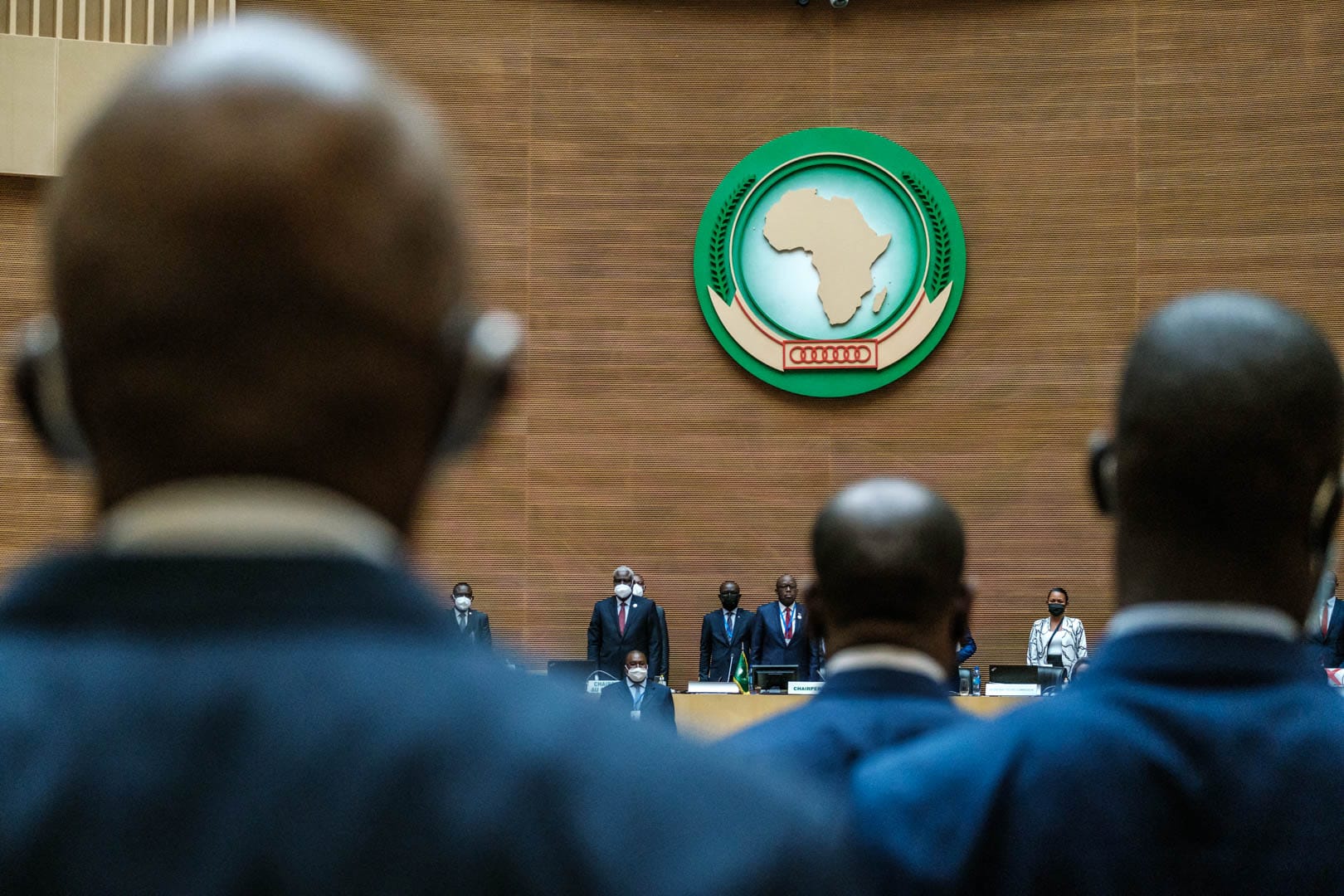
At the continental level, the African Union (AU) has identified AI as a strategic priority, urging member states to develop national AI strategies aligned with broader development goals under Agenda 2063. AU officials have warned that without coordinated policies, African countries risk falling behind global AI leaders or becoming passive consumers of foreign technologies.
Several countries have already taken steps in this direction. Kenya recently unveiled a national AI strategy focused on innovation, skills development, and ethical use, while Rwanda and Ghana have introduced policy frameworks aimed at responsible AI adoption. South Africa and Nigeria are also at various stages of drafting AI-related policies and legislation.
Despite these efforts, experts say progress remains uneven. Many African states still rely on outdated information and communication technology (ICT) laws and general data protection regulations that do not adequately address AI-specific challenges such as algorithmic transparency, accountability, and discrimination.
Civil society organizations have also raised concerns about the digital divide, warning that weak infrastructure, limited data governance, and low digital literacy could worsen inequality if AI adoption is not carefully managed. They argue that inclusive policies must prioritize local innovation, protect citizens’ rights, and reflect Africa’s social and cultural contexts.
Industry players, meanwhile, are urging governments to strike a balance between regulation and innovation. Technology firms say predictable and well-designed AI rules would encourage investment, support startups, and help African developers compete globally.
As discussions continue at national and regional levels, policymakers face growing pressure to move from dialogue to action. Observers say the decisions taken now will shape how AI impacts Africa’s economies, societies, and governance systems for decades to come.