

The AI-powered platform promises to revolutionize chronic disease management with real-time monitoring and virtual doctor access—all from your living room. Now backed by $1.4 million from Google and Tesla insiders, the startup is betting that the future of healthcare is decidedly domestic.
The smartphone revolution brought the internet into our pockets. Now, Plato Health is attempting to bring hospital-grade monitoring into our homes—no white coats or sterile hallways required.
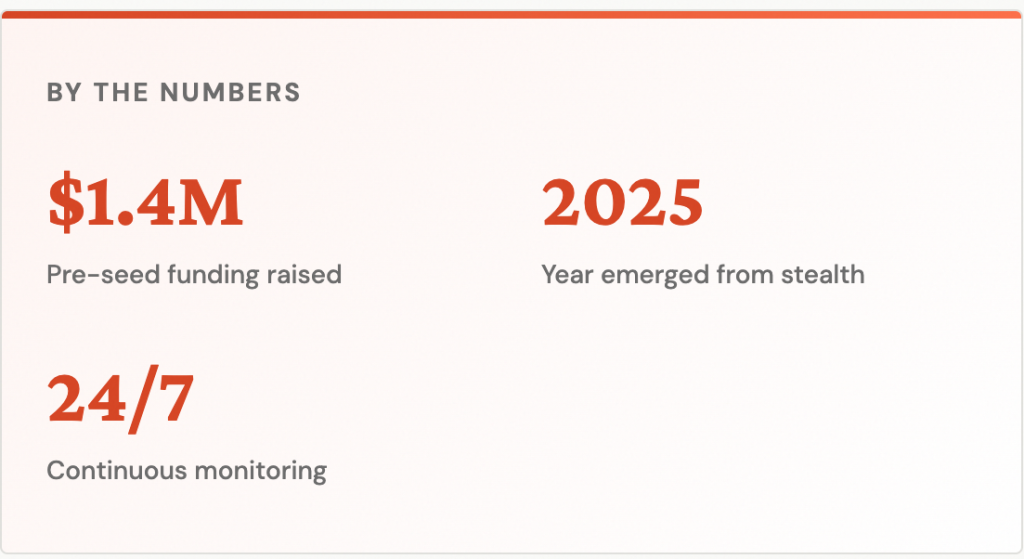
Founded in late 2024 and emerging from stealth in early 2025, Plato Health represents a fresh take on a persistent problem: how do we manage the 133 million Americans living with chronic conditions without overwhelming an already strained healthcare system? The answer, according to the startup’s founders, lies in artificial intelligence, continuous monitoring, and a radical rethinking of where healthcare actually happens.
“We’re not trying to replace doctors,” explains the company’s founding team in a recent statement. “We’re trying to give them superpowers—and give patients their lives back.”
The Problem Worth Solving
Chronic conditions like diabetes and hypertension are notoriously difficult to manage. They require constant vigilance, regular monitoring, medication adherence, lifestyle modifications, and periodic check-ins with healthcare providers. For many patients, this translates into a never-ending cycle of appointments, blood pressure cuffs, glucose meters, and anxiety about whether they’re doing enough.
The data tells a sobering story: medication non-adherence alone costs the U.S. healthcare system an estimated $100-300 billion annually. Meanwhile, patients with poorly managed chronic conditions account for a disproportionate share of emergency room visits and hospital readmissions—expensive interventions that often could have been prevented with better ongoing care.
“We’re not just building another app. We’re building infrastructure for a different kind of healthcare system.”
— Plato Health founding vision
This is the gap Plato Health aims to fill. By combining connected medical devices with artificial intelligence and on-demand access to healthcare providers, the platform creates what the company calls a “continuous care ecosystem”—one that adapts to patients’ needs in real-time rather than operating on the traditional appointment-based model.
How It Works
At its core, Plato Health operates as a three-part system. First, patients receive FDA-approved connected devices tailored to their conditions—blood pressure monitors for hypertension patients, continuous glucose monitors for diabetics, and so on. These devices automatically sync data to the Plato Health platform throughout the day.
Second, the platform’s AI engine analyzes this incoming data stream, looking for patterns, anomalies, and trends. The system doesn’t just track numbers—it learns each patient’s baseline, understands their medication schedule, and can detect subtle changes that might signal a brewing problem long before symptoms become serious.
Third, when intervention is needed, patients can connect with healthcare providers through the platform’s telemedicine infrastructure. These aren’t automated chatbots—they’re real doctors and nurses who have full access to the patient’s monitoring data and can provide informed guidance, adjust medications, or recommend in-person care when necessary.
The result is a feedback loop that operates continuously rather than episodically. Instead of finding out that a patient’s blood pressure has been creeping up during a quarterly appointment, doctors receive alerts when concerning trends emerge. Instead of patients wondering whether a glucose spike is normal or concerning, they can get immediate professional input.
The Money Behind the Mission
In early 2025, Plato Health announced it had raised $1.4 million in pre-seed funding—a significant vote of confidence for a company still in its early stages. The investor roster tells its own story about how seriously Silicon Valley is taking the digital health revolution.
Google for Startups, the tech giant’s venture arm focused on early-stage companies, led the round. Their involvement brings not just capital but also potential access to Google’s considerable expertise in AI, cloud infrastructure, and consumer technology.
Alongside Google came a group of angel investors with Tesla connections—individuals who cut their teeth in the electric vehicle company’s high-growth environment and are now betting that healthcare is ripe for similar disruption.
This combination of institutional backing and strategic angels suggests that Plato Health has credibility beyond its product pitch. In a sector where regulatory hurdles, reimbursement complexities, and patient privacy concerns can doom promising startups, having experienced investors who understand both technology and scaling challenges is crucial.
The $1.4 million will fund the company’s initial operations, regulatory compliance efforts, and early customer acquisition. For context, this is relatively modest by Silicon Valley standards—many pre-seed rounds now reach $3-5 million—but it’s appropriate for a company still validating its model and working toward broader regulatory clearances.
The Competitive Landscape
Plato Health enters a digital health market that’s simultaneously crowded and wide open. Established players like Livongo (acquired by Teladoc for $18.5 billion in 2020) have proven that investors will pay premium prices for companies that successfully crack the chronic care code. Meanwhile, hundreds of startups are attacking various pieces of the problem.
What differentiates Plato Health is its integrated approach. Many competitors focus on a single condition or a single aspect of care—monitoring without clinical support, or telemedicine without continuous data. Plato’s bet is that the real value emerges from connecting these pieces into a seamless whole.
The company also benefits from timing. The COVID-19 pandemic permanently shifted perceptions about remote healthcare, regulatory frameworks have evolved to support virtual care, and reimbursement models are finally catching up with the technology. What seemed radical in 2019 feels almost obvious in 2026.
Challenges Ahead
For all its promise, Plato Health faces formidable challenges. Healthcare is a notoriously difficult industry to disrupt—incumbents are powerful, regulations are complex, and the stakes of getting things wrong are literally life and death.
The company will need to navigate FDA oversight for its medical devices and software, secure partnerships with insurance companies to ensure patient coverage, prove clinical efficacy through rigorous studies, and build trust with both patients and the medical establishment. None of this happens quickly or cheaply.
There’s also the question of scalability. Managing chronic conditions is inherently labor-intensive work. Even with AI handling much of the monitoring, patients will still need human clinical support. Can Plato Health build a model that delivers high-quality care while maintaining unit economics that make sense? The answer will determine whether the company becomes the next Livongo or joins the long list of promising health tech startups that couldn’t make the math work.
“The technology is the easy part. The hard part is changing how an entire industry thinks about care delivery.”
— Industry analyst perspective
What Success Looks Like
If Plato Health succeeds, the implications extend far beyond its own balance sheet. The company is part of a larger movement reimagining healthcare as something that happens in the context of daily life rather than in isolated clinical encounters.
Imagine a future where managing diabetes feels less like a medical condition and more like checking your email—something that happens seamlessly in the background with intelligent systems flagging only what truly needs your attention. Where hypertension doesn’t mean quarterly doctors’ visits but rather an occasional message from your care team saying “We noticed your readings are trending up—let’s adjust your medication.”
This vision of “ambient healthcare”—care that surrounds patients without overwhelming them—is what Plato Health and its peers are working toward. Whether any single company achieves it remains to be seen. But the $1.4 million in backing suggests that serious people believe the attempt is worth making.
For now, Plato Health remains in its early stages, working to refine its technology, expand its pilot programs, and demonstrate the clinical outcomes that will be essential for broader adoption. The company’s next major milestone will likely be securing partnerships with health systems or insurance providers—relationships that could provide both validation and scale.
In healthcare, as in technology, the distance between a promising idea and a transformative business is measured in years, not months. Plato Health has taken its first steps. The journey ahead will determine whether it can deliver on the ambitious promise that attracted Google’s attention and earned the confidence of Silicon Valley’s best and brightest.
The home may indeed become the new hospital room. But first, companies like Plato Health will need to prove they can make it work—clinically, operationally, and economically. The funding is just the beginning.