In a move that could reshape Africa’s artificial intelligence landscape, Ethiopia has announced plans to establish one of the continent’s first universities dedicated entirely to artificial intelligence and frontier technologies.
The proposed institution, called Medemer Artificial Intelligence University, is expected to become a major center for AI research, innovation, and talent development in Africa. The university was formally approved by Ethiopia’s Council of Ministers in March 2026 and is projected to begin operations in the next Ethiopian calendar year.
The initiative marks a bold step in Ethiopia’s ambition to position itself as a continental leader in artificial intelligence, digital infrastructure, and technological innovation.
A University Built Around AI
Unlike traditional universities that simply offer AI-related departments or courses, Medemer Artificial Intelligence University is being designed as a specialized institution focused entirely on artificial intelligence and advanced computational sciences.
According to government statements, the university will train students in fields such as machine learning, robotics, intelligent systems, data science, and advanced computing. Officials say the institution will help build the technical workforce needed to support Ethiopia’s broader digital transformation agenda.
Prime Minister Abiy Ahmed has repeatedly emphasized that artificial intelligence is now considered a national priority for Ethiopia.
“The development of artificial intelligence is among our first priorities,” Abiy said while addressing Ethiopia’s House of People’s Representatives earlier this year.
The university’s name is derived from “Medemer,” a philosophy introduced by Abiy Ahmed that promotes synergy, collaboration, and collective progress. Government officials say the institution will combine human-centered values with advanced technology development.
Part of Ethiopia’s Digital Transformation Strategy
The AI university forms part of Ethiopia’s broader “Digital Ethiopia 2030” strategy, an ambitious national modernization plan aimed at digitizing public services, expanding financial inclusion, and strengthening innovation ecosystems.
Over the past few years, Ethiopia has rapidly expanded investments in digital identity systems, fintech infrastructure, e-governance platforms, and AI research initiatives.
In 2020, Ethiopia established the Ethiopian Artificial Intelligence Institute, which government officials described as one of Africa’s first national AI institutes. The new university is expected to build on that foundation by producing local AI researchers, engineers, entrepreneurs, and policymakers.
The country has also launched new AI-focused innovation hubs in partnership with international organizations. Earlier this year, the Ethiopian Artificial Intelligence Institute, Addis Ababa University, and the United Nations Development Programme launched the AI UniPod — a research and innovation center designed to support AI startups and young innovators.
Officials say these initiatives are intended to help Ethiopia transition from being merely a consumer of foreign technology to becoming a creator of homegrown AI solutions.
Africa’s Growing AI Race
Ethiopia’s announcement comes at a time when several African countries are racing to establish stronger positions in the global AI economy.
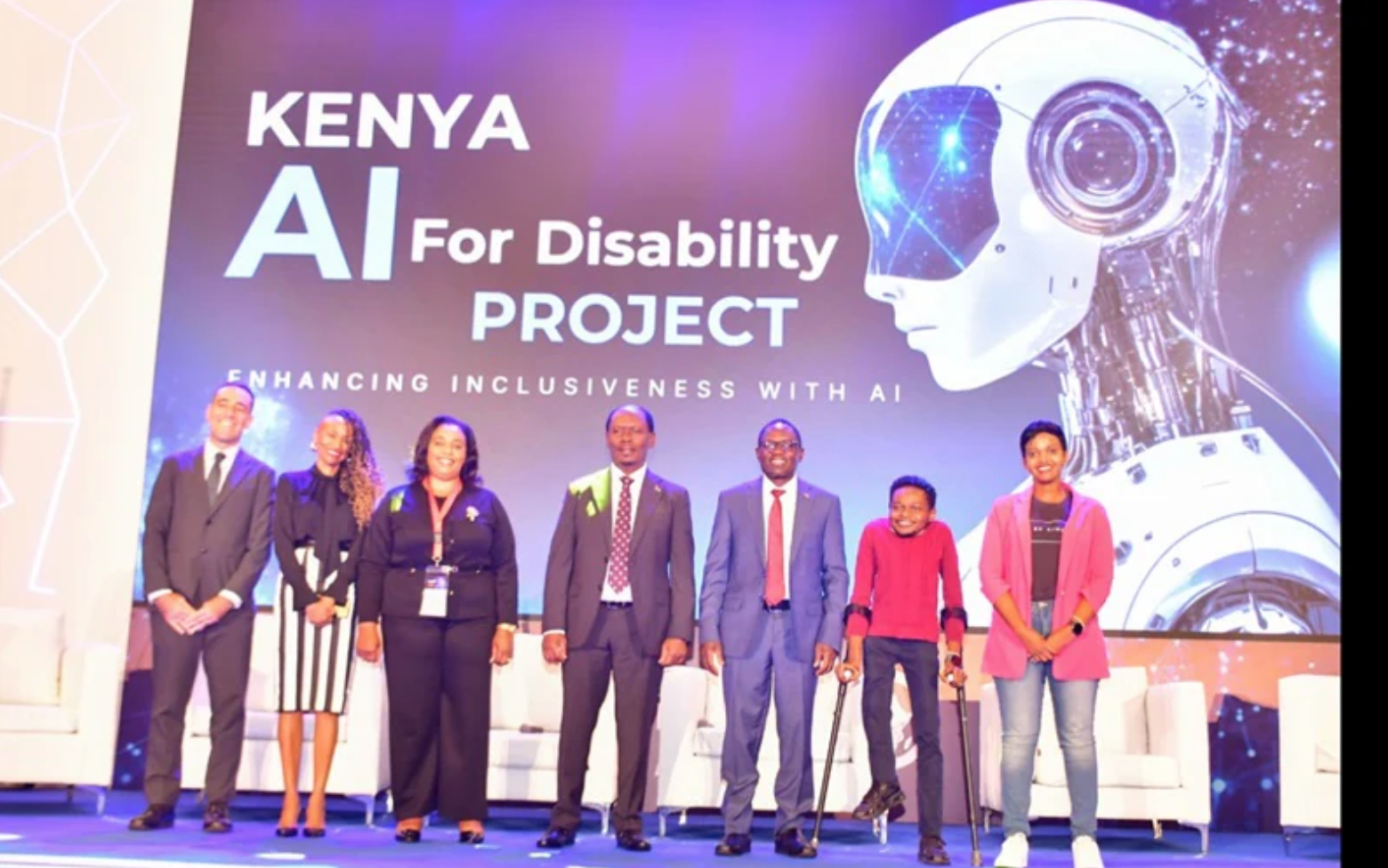
Governments across the continent are increasingly investing in AI policy frameworks, digital infrastructure, startup ecosystems, and localized language models. Countries such as Kenya, Nigeria, South Africa, and Rwanda have all intensified efforts around AI adoption in sectors including healthcare, agriculture, education, and finance.
Ethiopia’s approach, however, stands out because of its attempt to institutionalize AI education at the university level through a dedicated standalone institution.
Globally, only a limited number of universities are focused entirely on artificial intelligence. One of the most notable examples is Mohamed bin Zayed University of Artificial Intelligence in the United Arab Emirates, which has often been cited as a model for specialized AI education.
Opportunities and Challenges Ahead
The creation of Medemer Artificial Intelligence University could open significant opportunities for Ethiopia’s growing youth population.
Africa currently faces a major shortage of AI talent, researchers, and advanced computing specialists. By building local expertise, Ethiopia hopes to reduce dependence on foreign technology systems while creating new economic opportunities for young people.
The initiative also aligns with wider discussions around “AI sovereignty” in Africa the idea that African countries should build their own datasets, infrastructure, and locally relevant AI systems rather than relying entirely on technologies developed abroad.
However, experts and online communities have also pointed to several challenges that could affect the university’s long-term success.
Discussions across Ethiopian tech communities frequently mention concerns around electricity reliability, internet infrastructure, access to high-performance computing resources, faculty recruitment, and sustainable funding.
Others argue that while establishing a dedicated AI university is visionary, success will ultimately depend on whether Ethiopia can create an ecosystem capable of supporting large-scale research, innovation, and commercialization.
Still, supporters believe the initiative signals a major shift in Africa’s technological ambitions.
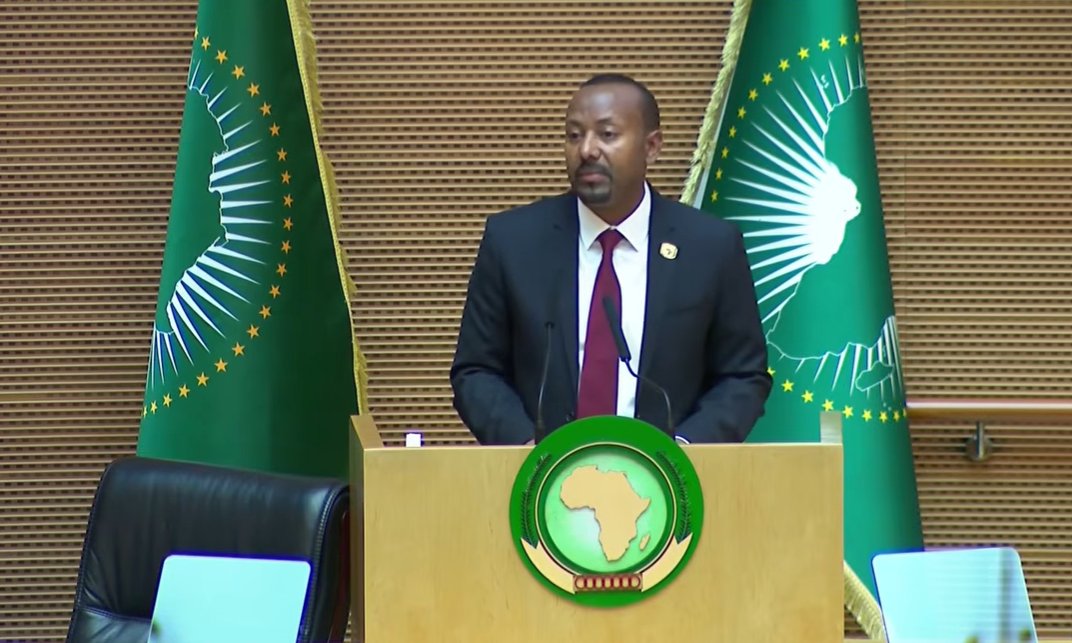
At the recent African Union Summit in Addis Ababa, Prime Minister Abiy Ahmed described the proposed university as a platform that would connect “human values with machine intelligence, local context with global relevance, and scientific rigor with applied impact.”
A Defining Moment for Africa’s AI Future
As artificial intelligence increasingly shapes economies, industries, and geopolitics worldwide, African countries are under growing pressure to develop local expertise and infrastructure.
For Ethiopia, the launch of Medemer Artificial Intelligence University is more than an education project. It represents an attempt to place the country and potentially Africa — at the center of the next technological revolution.
Whether the university succeeds could influence how future generations of African innovators, researchers, and entrepreneurs participate in the global AI economy.