
Forget ChatGPT. The real AI money is hiding in plain sight—and it has nothing to do with Silicon Valley.
Mark Cuban just dropped a bombshell that could make early movers filthy rich—and Wall Street isn’t paying attention.
While tech giants burn billions fighting over who builds the smartest AI, the billionaire investor says the real fortune is waiting in the most unexpected place: your neighborhood shoe store.
The $33 Million Company Secret
Here’s what Cuban knows that you don’t: there are 33 million businesses in America right now sitting on a goldmine they can’t access.
“They aren’t going to have AI budgets. Aren’t going to have AI experts,” Cuban revealed in recent interviews that have now exploded across social media, racking up 3.4 million views in just 48 hours.
He’s not talking about tech startups or Fortune 500 companies. He means the trucking company down the street, the 12-person accounting firm, the regional plumbing business—the unsexy, unglamorous backbone of the American economy that employs 62 million people.
And they’re all standing in the dark, waiting for someone to flip the switch.
“Software Is Dead”
Cuban didn’t mince words: the entire software industry as we know it is finished.
“Everything’s going to be customized to your unique utilization,” he declared, citing insights from Microsoft’s leadership team.
Think about that. For decades, small businesses bent over backwards to fit into clunky, one-size-fits-all software. They paid monthly fees to use tools designed for everyone and no one. They hired consultants just to make their businesses fit the software.
AI is about to flip that equation on its head.
Instead of businesses conforming to software, AI will conform to them—custom-built intelligence for every unique workflow, every weird process, every quirky way a local business actually operates.
The Question That Could Make You Rich
Cuban posed the trillion-dollar question: “Who’s going to do it for them?”
Not the PhD engineers locked in a “bloodbath” at OpenAI and Anthropic, desperately trying to build the next GPT model.
Not the venture capitalists throwing money at the shiniest new AI startup.
The answer is far more interesting—and accessible.
The New Billionaire Blueprint
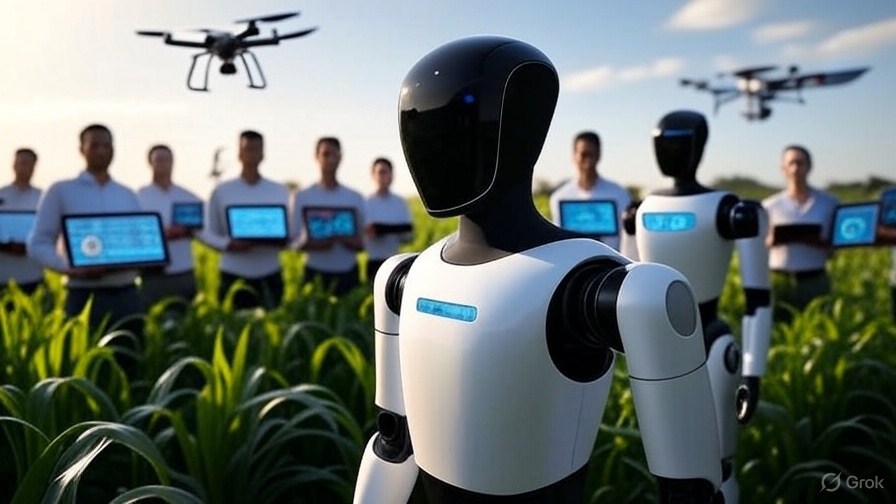
Enter the “AI integrator”: someone who doesn’t build the AI brain, but wires the nervous system directly into real businesses making real money.
This is the electrician model of wealth creation. When electricity first arrived, the people who got rich weren’t just the geniuses inventing generators. They were the practical engineers who walked into dark factories and showed owners exactly where to plug things in.
History is repeating itself—but this time it’s happening at internet speed.
Why This Time Is Different
For years, tech consulting meant expensive enterprise solutions. Big projects. Six-figure budgets. Corporate bureaucracy.
AI has changed the math entirely.
Models that cost millions to run a year ago now cost pennies. Capabilities that required specialized teams can now be deployed by one person with the right knowledge. The barrier to entry is collapsing while the opportunity is exploding.
“Entrepreneurial companies will love the value you add,” Cuban told aspiring engineers. “Big companies don’t need new grads for this.”
Translation: the door is wide open for anyone hungry enough to walk through it.
The Critics Are Missing the Point
Sure, skeptics argue that cloud providers will just bundle AI features into existing platforms. That small businesses are too small to afford real integration.
But they’re thinking in old-world terms.
One restaurant owner in the viral thread summed it up perfectly: “We own and operate a restaurant and there are so many places across the business function ripe for reengineering using AI.”
Multiply that by 33 million businesses.
The manual processes in trades, logistics, healthcare, manufacturing—sectors that actually drive U.S. GDP but lag decades behind in tech adoption—are all waiting for someone to show them the way.
The Window Is Closing
Here’s the uncomfortable truth: this opportunity is “OBVIOUS, SHORT & NARROW,” as one observer noted.
Right now, most small businesses know AI is coming but have no idea how to use it. The big tech platforms haven’t figured out how to serve them profitably at scale. There’s a gap.
That gap won’t last forever.
First movers who can combine technical fluency with gritty, real-world business knowledge will clean up. Those who wait will watch someone else get rich solving the exact same problems.
The Real Numbers
Let’s put this in perspective:
- 36 million small businesses in the U.S. (SBA data)
- 46% of the private-sector workforce employed by these businesses
- Billions being spent on AI models
- Pennies being spent on actually deploying AI where it matters
The math doesn’t lie. There’s a massive arbitrage opportunity between what AI can do and what small businesses are actually doing with it.
What Cuban Really Means
Strip away the hype, and Cuban’s message is brutally simple:
Stop trying to build the next ChatGPT. Stop chasing the model wars. Stop thinking like a Silicon Valley founder.
Start thinking like a Main Street operator.
The shoe store owner doesn’t care about parameter counts or training runs. They care about inventory management, customer retention, and not going bankrupt.
Show them how AI solves those problems, and they’ll pay you for it.
The Bottom Line
“You do not need to build the brain,” the viral analysis concluded. “You need to build the nervous system.”
While the tech world obsesses over who owns the most powerful AI models, a quieter revolution is brewing. The people who figure out how to make AI useful for the real economy—not just the digital economy—might just become the next generation of unexpected billionaires.
They won’t be wearing hoodies in Palo Alto.
They’ll be the ones knocking on the door of the local trucking company with a laptop and a plan.
The question is: will that be you?
The original viral post analyzing Cuban’s comments has surpassed 3.4 million views, 13,000 likes, and hundreds of reposts since April 20, sparking intense debate about the future of AI adoption in the American economy.